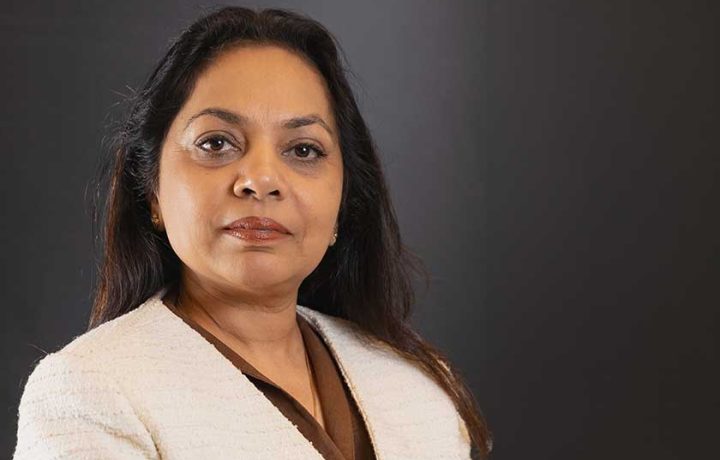
Meet the finalists of the ACT Women’s Awards 2026: Jasmine Sharma
Posted on
From transforming healthcare and improving women’s safety to opening doors in construction, automotive and sport, 11 remarkable women and gender-diverse people have been named finalists in the 2026 ACT Women’s Awards.
In the lead-up to the 2026 ACT Women’s Awards ceremony on Thursday 3 September, we wanted to get to know each of the finalists a little better. Today we meet Jasmine Sharma, founder of the Kitchen to Crease initiative, creating opportunities for culturally diverse women and families to participate in sport, health and community activities.
Congratulations on being named a finalist in the 2026 ACT Women’s Awards! How did you feel when you found out?
I felt incredibly honoured, emotional and grateful. When I started this journey about nine years ago, I never imagined it would lead to recognition like this. My focus was simply to create opportunities for women to come together, connect, be active and believe in themselves.
Being named a finalist made me reflect on how far we have come, from women saying, “I can’t even hold a cricket bat,” to asking, “When is our next game?”
For me, this recognition belongs to every woman who found the courage to step outside her comfort zone and onto the crease. I have always believed that every woman deserves the opportunity to play the best innings of her life, and seeing women discover confidence, friendships and a sense of belonging through this journey has been the greatest reward.
In a nutshell, tell us about the work or initiative that led to your nomination.
My journey centres around “Kitchen to Crease,” an initiative I started about nine years ago through my volunteer work with the Indian Australian Multicultural Sports Association (IAMSA) to encourage South Asian women to participate in cricket and become more connected with the community.
Kitchen to Crease is not about where women belong. It is about where women can go.
Many of these women were already interested in cricket and loved the game, but cultural expectations, family responsibilities, lack of opportunities or simply not knowing where to start had kept them away from the field. Some had never even held a cricket bat. We created a welcoming environment where they could finally turn that interest into participation.
Since then, more than 100 women and their children have been inspired to participate, with some progressing into structured and grade cricket.
For me, cricket is the vehicle. The real journey is from self-doubt to self-belief, from isolation to connection, and from the “kitchen to the crease.”
Looking back, was there a particular moment, challenge or experience that set you on this path?
When I first came to Canberra after migrating, I experienced loneliness and struggled to find friends, community connections and spaces where I could connect with other women. I missed the community sport and social connection I had known before. Eventually, I left Canberra.
But that experience stayed with me. I realised that I should not be waiting for change to happen. I could come back and help create that change myself. So I returned to Canberra determined to play the second innings of my life.
As a cricketer myself, I knew sport could bring people together. Through volunteering with IAMSA, I found an opportunity to turn that belief into action and create the opportunities I had once searched for.
That experience became the foundation of Kitchen to Crease and my commitment to helping women feel connected, included and equal.
What achievement are you most proud of – and why?
My proudest achievement is not an award or a trophy. It is watching women transform from saying, “I can’t even hold the bat” to asking, “When is our next game?”
Through my volunteer work with IAMSA and Kitchen to Crease, more than 100 women and their children have now been inspired to participate, with some progressing into structured and grade cricket. Seeing children, including girls, become involved because they watched their mothers playing is especially meaningful to me.
I strongly believe that women have the capacity to change generations. When a woman becomes more confident, healthier and connected, that change doesn’t stop with her. It reaches her children, her family and ultimately the wider community.
Receiving the Cricket ACT Girls Initiative Award in 2025 was a wonderful recognition, but seeing a woman walk onto the field unsure of herself and leave believing in herself remains my greatest achievement.
Is there a woman, mentor or role model who has inspired your journey?
I have been inspired by many women, but some of my greatest role models are the women I meet through this journey.
I am inspired by the mother who puts aside her responsibilities for a few hours and gives herself permission to do something for herself. I am inspired by the woman who has always loved cricket but never imagined she would one day be standing on the field playing it herself. I am inspired by migrant and refugee women who rebuild their lives, make new connections and keep moving forward despite the challenges they have faced.
They constantly remind me why this work matters.
I believe every woman has strength within her. Sometimes she simply needs an opportunity and someone to believe in her. When women support and inspire other women, the impact can extend far beyond one person. Women can change families, communities and generations.
What does being recognised as an ACT Women’s Awards finalist mean to you?
Being recognised as an ACT Women’s Awards finalist is deeply meaningful because it shows that grassroots and volunteer community work matters, and that small beginnings can create lasting change.
For me, this recognition is not mine alone. It belongs to the IAMSA community and every woman who stepped outside her comfort zone, picked up a cricket bat, made a new friend or discovered confidence she didn’t know she had.
It also gives visibility to culturally diverse women whose experiences and contributions are not always seen.
I hope this recognition encourages more women to believe that every woman deserves the opportunity to play the best innings of her life, whatever that innings may look like.
If my journey inspires even one woman to take that first step, believe in herself and create change for others, then being recognised as a finalist means something much bigger than an award to me.
What advice would you give to a young woman or gender-diverse person hoping to make a difference in their own community or industry?
My advice would be don’t wait for change to happen. If you can see a gap, have the courage to help create the change yourself.
You don’t need a big organisation, a perfect plan or hundreds of people behind you to begin. Start with one idea, one conversation or one person you can help. Kitchen to Crease started small about nine years ago, and through volunteering, teamwork and community support, today it has touched the lives of more than 100 women and their families.
There will be moments of self-doubt and times when others may not understand your vision. Keep going and stay connected to your purpose.
Most importantly, bring others with you. Leadership isn’t about standing in front of people. It is about creating opportunities for others to stand beside you and eventually lead themselves.
Believe in yourself, play your best innings, and remember “when you empower a woman, you can change generations.”