Empowering people who have ‘been there’

Posted on
Content warning: suicide.
When it comes to effective suicide prevention, who better to ask for solutions than those who have seen it firsthand?
In suicide prevention, these people are called those with a ‘lived experience’ and one Canberran is stepping up to help them get involved.
Since being hospitalised for a suicide attempt, Hayley Purdon has worked hard to maintain wellness through periods of being suicidal and is calling for others to join her in contributing to suicide prevention.
“Over the last 10 years, suicide prevention organisations have been turning to those with lived experience to help them design and implement their programs,” she explains.
“We have been learning together about how to best do this and the time has come to reflect on this journey.”

Following pressure from advocacy bodies and the work of the National Suicide Prevention Advisers Taskforce, people with lived experience are increasingly offered a place in paid work to contribute. There are designated lived experience roles for research, face-to-face support, and in designing programs—but Hayley says no-one is talking about the support needed to make these roles a safe place for people with lived experience.
“When I first got involved in suicide prevention, I was working with others who had supported or lost their loved ones to suicide, those who had experienced thoughts of suicide or made an attempt,” she says.
“We were engaged as volunteers to provide advice on how to increase the capacity and engagement of lived experience in different organisations. Mostly we were just asked if things were safe for distribution—like images and words. It felt very tokenistic at times and sometimes we were treated as if we would break at any moment.”
“There are now career pathways to simply use your lived experience to contribute to the work of these organisations and this changes things. I have spoken to advocates like me who talk about the tension of knowing what to do from their lived experience, but this may be at odds with the culture or strategic direction of the organisation. We need to unpack how we can make organisations flexible or how to help people with lived experience navigate this space.”
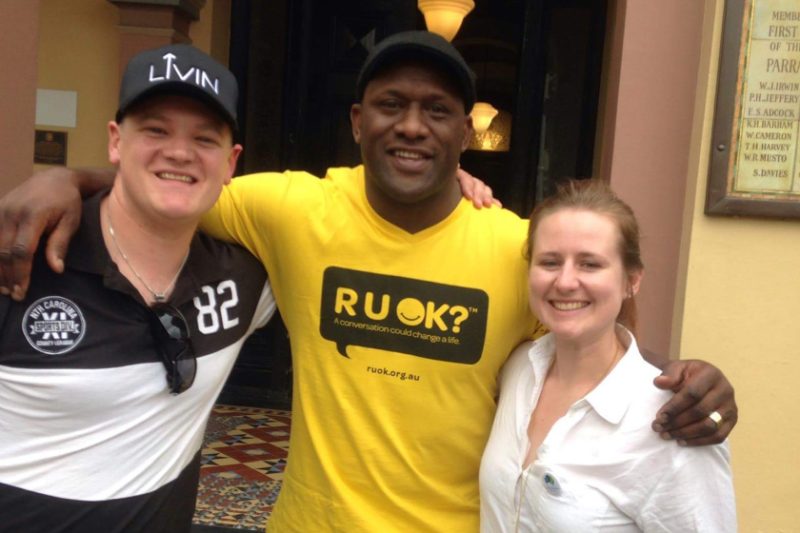
In trying to understand the future needed for suicide prevention, Hayley has launched a business that thrives on partnerships and shared stories to improve engagement for people with lived experience.
Through CriticLE, she is having public discussions with other lived experience leaders on how they work in spaces such as conferences, peer-work environments, on boards, and in community advocacy and events. Hayley is also undertaking PhD studies to capture how people with lived experience, organisations, and researchers view the engagement.
“It is all good and well for me to say that I have seen things and know what is needed but I really want to know what others think. There is so much diversity in our community and when we start talking about suicide and how to best prevent it, that is when we get some proper answers,” says Hayley.
“I have found a family in the lived experience space. It is filled with people who are generous, people who understand, and people who are open to having honest conversations. I love my lived experience family and want to contribute to others feeling welcomed into the space.”
And when it comes to what she has ‘seen’, Hayley has the following advice.
“Getting involved in using your lived experience in suicide prevention can give purpose to a really painful experience. It helps people to make sense of what they have been through and turn it into a strength and something positive,” she explains.
”For people who have experienced suicide, I would say that things are tough sometimes but getting involved is worth it —you will find yourself surrounded by people who care. And for people who want to engage those who have firsthand experience, do it! Be brave and ask difficult questions and sit in the response rather than trying to ‘make it all better’. Listen and be critical about the lessons you can take from this experience and use it to design better supports!”
You can participate in the activities of CriticLE by checking out the events listed on the website or engaging in their social media.