Ways to combat a winter complexion that looks and feels ‘blah’
Posted on
If it’s not just the weather that is looking decidedly dull and drab then maybe you need to consider some high-tech ways to nurture your complexion back to a more glowing state.
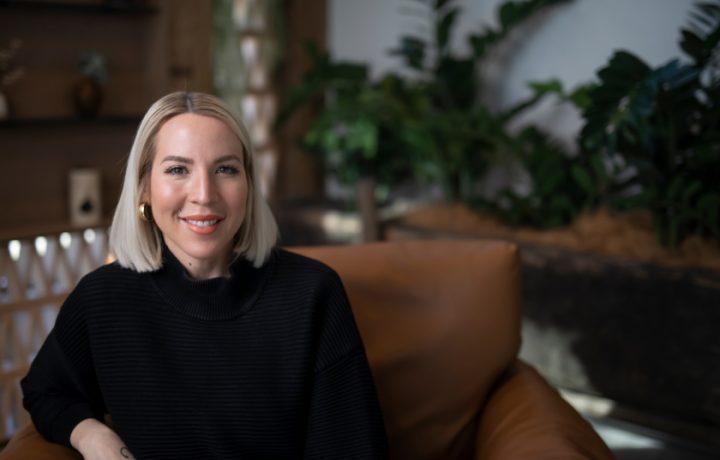
Artisan Aesthetic Cosmetic Nurse and Clinical Educator Dani Fahey explains how the cold weather can impact our skin and what options we have to restore a younger, firmer glow.
First thing’s first. Why is my skin looking so blah at the moment?
Our skin loves routine and consistency, so as the cold of winter comes, you can expect your skin to respond. The cold weather can seriously impact your skin’s ability to maintain adequate hydration and we will notice our skin looks dry, dull and possibly prone to cracking or inflammation.
Combine this with the ageing process as skin becomes more fragile, slack, thin and easily damaged. Our aim is always to protect it from damage and encourage skin cell repair and regeneration.
What can I do?
Invest in skincare that aims to protect the skin from rapid fluctuations in environmental conditions to avoid disruptions to the skin barrier. I would recommend a 50+ SPF, lipid-rich cleansers, and retinoids as must-haves in everyone’s daily routine.
I personally love the Essential 6 range from Rationale. I never leave the house without my #3 Tinted SPF and I’m religious with my night-time ritual #4 Cleanser, followed by #6 eye crème and #6 night crème for skin rejuvenation and renewal. I have seen my skin dramatically transform since I started using these products.
For already impaired or ageing skin, innovations in the cosmetic world have seen the introduction of PDO collagen threads to assist with stimulation of natural collagen production to improve the skin’s structure.
Why are threads successful?
PDO threads stimulate the production of your own collagen, creating a skin tightening and firming effect. Available to treat many different areas of the face, neck and jawline, these threads are inserted into the sub-dermal layers of the skin to stimulate natural collagen and improve overall skin structure.
PDO threads are minimally invasive (non-surgical) and have a wide range of benefits to improve skin condition. They induce natural collagen production to enhance skin elasticity and quality, promote cellular renewal and neovascularisation, reduce the appearance of harsh lines and wrinkles, and are ideal for rejuvenating and supporting the skin without adding volume or bulk to the treatment area.
PDO threads will disappear through simple hydrolysis (as they are absorbed by the body) and typically results are seen between eight-to-12 weeks and they will continue to improve in the following two-to-six months as more collagen is produced. The threads cause the tissue to contract, resulting in a skin-tightening effect.
What actually happens and how many threads are used?
PDO threads are inserted via sharp individual micro needles into sub-dermal layers of the skin in a mesh or crosshatch-like pattern. Once inserted, the needle is then removed, leaving the thread in place. Typically, the type, number and size of threads used is specific to the region being treated and the individual client—approximately 20-40 threads per area.
Careful consideration and planning is important and consultation with our medical team is required prior to treatment.
OK, but does it hurt?
We take great care and attention is taken to make the treatment as comfortable as possible.
The application of a topical anaesthetic is used prior and you will have the availability of inhaled anaesthetic, should it be required.
A mild prick and pulling sensation can be felt when the needle is inserted.
What can I expect to look like and will I need to take time off work?
Directly after the treatments, you can expect a certain degree of swelling and bruising around the area where the thread is inserted. It should only last for about three to four days. You may also experience some skin redness in the days following your first session. However, this usually subsides and does not require any treatment.
How long will it last?
Generally, results will last between 12-18 months, however, this is dependent on the healing and ageing process of each individual.
Do I need to do anything differently for my skin once they are in?
PDO threads are an amazing complement to other skin and injectable treatments. However, it’s advised that you avoid facials and massages to the treatment area for three weeks, and heat treatments (such as laser) in the area of the threads for three months.
What is the feedback from those who have had it done?
People have found PDO threads to be the game changer for skin laxity and sagging. When looking for tighter, stronger, smoother looking skin, I have had clients rebook to treat more areas at their three-month review appointment because of their positive results.
Because PDO threads do not add volume but aim to replace collagen and support, they are great for those who are scared of treatments that will change that shape of their face and look fake or unnatural.
What are some alternative treatments to threading?
For those looking for a less invasive option, Artisan also offers bespoke treatment packages, our Resurface and Rejuvenate package incorporating the Laser Genesis, the procedure peel and LED light therapy. This combined technology is designed to brighten complexion, improve skin health, stimulate collagen and remove old skin cells to reveal clear, smooth and glowing skin with no downtime.