Sustainable Life: seasonal recipes for winter and spring
Posted on
Winter food warms our body and soul.
Rich flavours energise, leafy greens help us to glow and hearty soups are perfect for batch cooking.
Seasonal ingredients, like fresh broccoli, abundant citrus and pumpkins (stored from the autumn harvest) are the key to fabulous food.
Here are some of my favourite recipes.
Simple winter salad
This recipe features broccoli–a feature of many kitchen gardens throughout Canberra’s winter.
Harvest the broccoli heads, then enjoy a second harvest of the florets that sprout after the main head has been removed.
If you let some of your sprouting florets turn into flowers, eat them as a unique and tasty alternative to the broccoli florets in this salad.
RECIPE
Chop one head of broccoli into chunky florets. Large florets are best cut in half, length-wise, so they cook evenly. Steam the broccoli florets, until lightly cooked. Combine the steamed broccoli florets with 2 handfuls of baby spinach leaves.
Top your salad with a drizzle of caramelised balsamic vinegar, Australian extra-virgin olive oil, a sprinkle of sea salt and ¼ cup of toasted sunflower seeds.
Serves 2 – 3 people.
Classic vegetable soup
The leaves and heart of celery can be tricky to use in the kitchen. They are packed full of flavour and are just perfect in this classic vegetable soup. If you’re growing celery at home, I find that slugs and snails eat into my stalks–making recipes like this one, even more important.
RECIPE
Add 1 onion (diced), 2 finely chopped carrots and the finely chopped tops and heart of a celery to a large soup pot. Gently sauté your ingredients with a drizzle of Australian olive oil.
When the onion is translucent, add 1.5 litres of vegetable stock, 2 cups of dried beans (continental soup mix works best) and a 400g of tomatoes. Simmer for 45 min, enjoying the smell wafting through your home as you cook.
Test the beans, to make sure they’re all cooked and taste the soup. Adjust your seasoning with salt and pepper. Then, add 1.5 cups of shredded red cabbage so that it can be lightly cooked.
Serves 4 – 5 people.
Pumpkin soup
A good season of homegrown pumpkins, harvested in autumn, will feed a family all winter long. The key is to find space to store your pumpkins… that isn’t accessible to rats.
Our family’s record pumpkin production was 15. They lasted all winter, and into spring.
RECIPE
Remove the skin and chop 1.5 kg of pumpkin into large chunks. Place your pumpkin chunks in an oven tray, drizzle with Australian olive oil and sprinkle on a pinch of salt. Roast your chunky pumpkin in the oven for about 45 minutes on 180 degrees Celsius. Your pumpkin will have caramelised on the bottom, creating a natural sweetness.
Meanwhile, finely chop an onion and a clove of garlic. Gently sauté with a drizzle of Australian olive oil in a large saucepan. If you have celery leaves, you can finely chop a few and add them in the final stages of the sauté process.
Add your roast pumpkin to the large saucepan, taking care to include the small caramelised bits that like sticking to the pan. Then add 4 cups of warmed chicken stock, 400g of cooked chickpeas, 1 teaspoon of Dijon mustard and 1 tablespoon of honey.
Using a stick blender, create a smooth soup texture from ingredients in the large saucepan. Test for seasoning and sweetness, adjusting with salt, pepper and honey. Bring to simmering temperature.
Serve with dollops of plain Greek yoghurt.
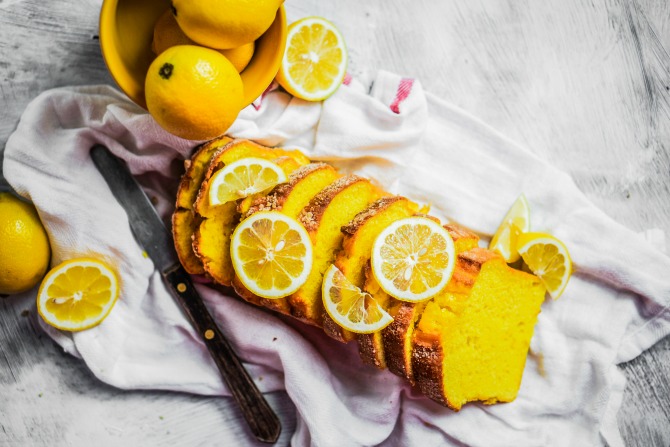
Middle Eastern lemon cake
Productive lemon trees take persistence in Canberra. Their leaves don’t like our cold frosts and they crave rich soil and plentiful water for optimum fruit production.
Persistence is worth it, however; you can have a tree that towers over your house, with a steady supply of lemons (almost) year-round. Lemons are best in winter and spring.
RECIPE
Place 3 large lemons in a saucepan full of water. Bring to the boil and simmer the lemons for 2 hours, topping up water if needed.
Remove lemons and let them cool. Do this step the night before, if you are short on time.
Preheat your oven to 170 degrees Celsius. Grease a 20cm round cake tin, with springform bottom. Line the tin with baking paper.
Chop the cooled lemons roughly and remove any seeds. Using a stick blender, pulverise the chopped lemons in a large mixing bowl. Add ¾ cup of sugar or honey, 6 eggs and 2 teaspoons of baking powder. Use the stick blender again, to pulverise the mixture.
Using a spoon, fold in 2 cups of almond meal until all dried bits are combined. Pour mixture into the prepared cake tin and bake for 1 hr and 15 minutes, until a skewer comes out clean and the top is golden. Stand for 5 minutes, then remove carefully from the tin.
Serve your cake with a dusting of icing sugar and a sprinkling of edible flowers, like pansies.

Leave a Reply