Italian fare to bring to the Christmas table
Posted on
In our multicultural city, Italian food and wine products have become as much a part of our traditional Christmas fare as they are in Italy.
From Aperol Spritzes to kick off Christmas lunch to post-dinner panettone prosecco, Italian produce is renowned throughout the world for its centuries-old traditions, regional specialities and dedication to quality and excellence.
Yet the Italian Government, via its Embassy in Canberra, is keen to ensure that when so-called Italian specialty goods reach Australian tables this Christmas, they are genuine, certified imported products, and not cheap imitations trading in on the Italian flag.
It’s an issue which veteran Italian hospitality figure and The Italian Place owner Tony Lo Terzo holds close to his heart.
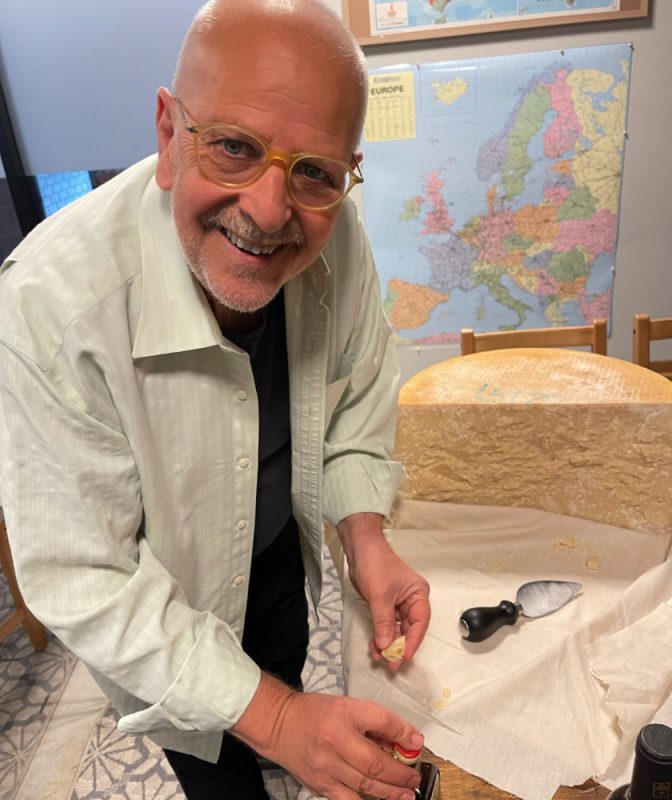
He and his The Italian Place Deli manager Sara Tafuri are passionate about promoting the delights of the best genuine products that Italy can offer in terms of cheese, smallgoods, sweets, and wines.
And there is no question that the rigorous certification process that has been put in place for Italian food and wine producers over the last 20 years is an important part of ensuring quality for consumers.
Italy actually has more food products than any other European country that carry designations of origin or geographical indications.
As Tony explains “every region has its own specialities and does things a little differently. So when you travel you should always expect to eat local cuisine”.
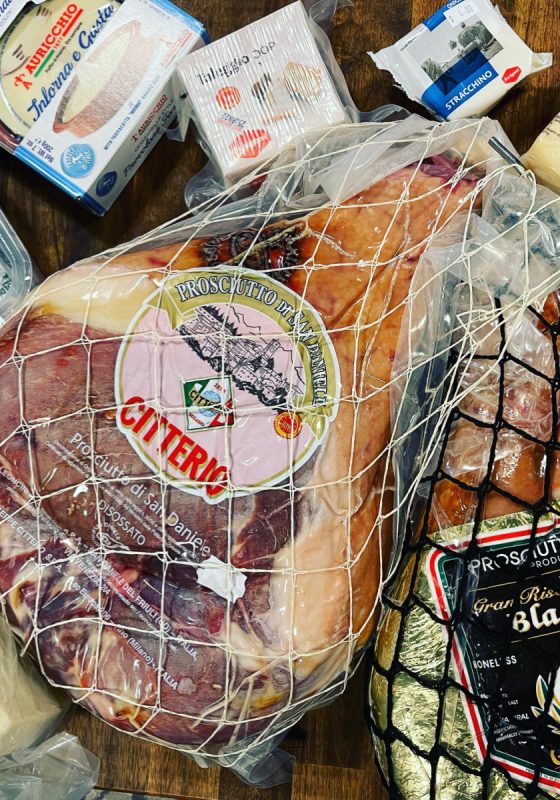
This regional heritage and tradition of quality is certified by the European Union through a series of seals affixed to the packaging, that represent authenticity.
These include the PDO (Protected Designation of Origin or DOP) used on products such as Gana Padano and Prosciutto San Daniele which ensures the product is produced in a specific geographic area by local farmers and artisans, using traditional methods.
Another label, PGI (Protected Geographical Indication or IGP) identifies a product whose quality or reputation is linked to the place or region where it is produced or processed. For example, Aceto Balsamico di Modena.
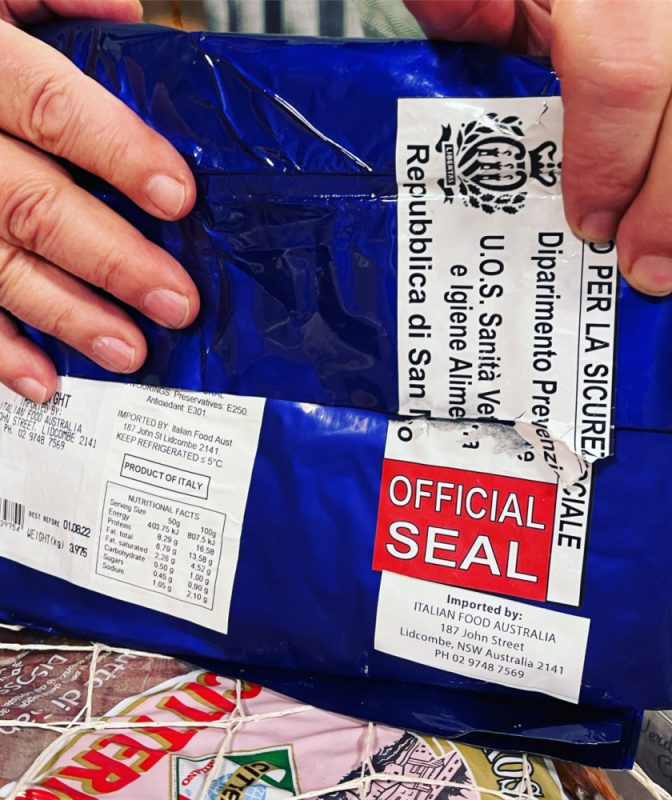
A TSG (Traditional Specialty Guaranteed or STG) identifies a product with traditional features, either in composition or means of production, without a specific link to a geographic area, for example, mozzarella cheese.
And lastly, DOC and DOCG (Denomination of Controlled Origin and Denomination of Controlled and Guaranteed Origin) legally define wine production areas and production methods.
At Christmas time, Tony and Sara say their ties to their country of origin feel particularly strong.
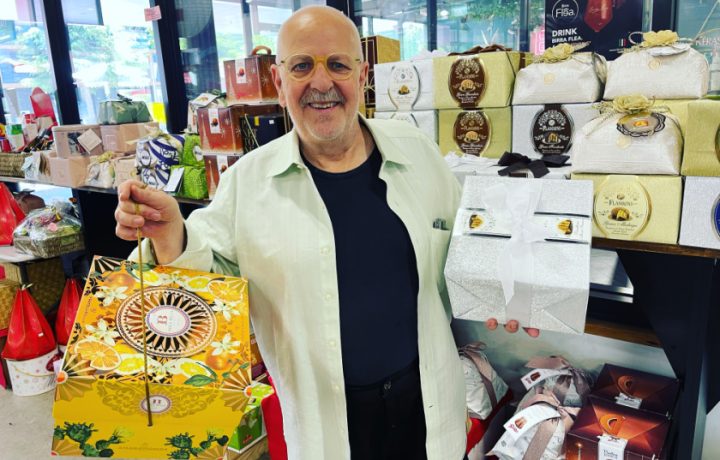
They still adhere to family traditions of eating panettone late on Christmas eve, and while Sara prefers the Pandoro (the plain sweetbread) which she fills with cream or custard and berries, Tony goes for a panettone which has a lot of citrus.
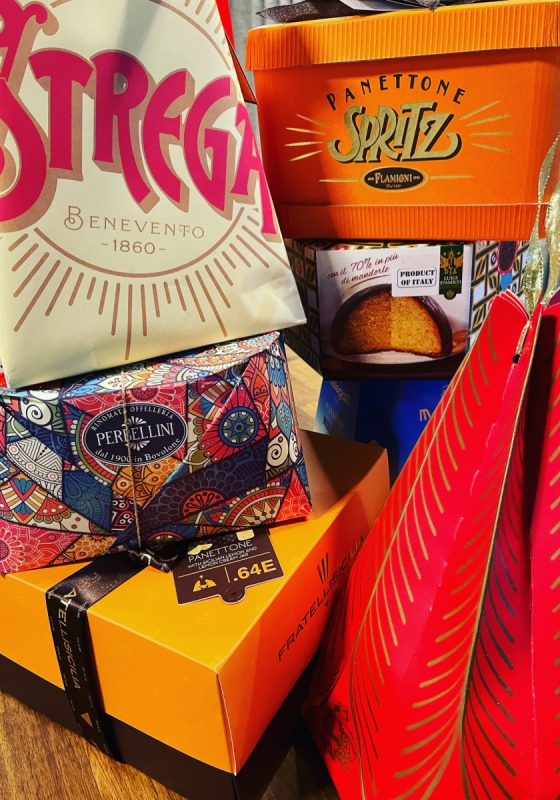
The Italian place has 14 different types of panettone and pandoro.
They agree that such a dessert is best washed down with prosecco.
Tony has spent 50 years educating his customers on the joys of quality Italian food and wine, running regular wine tastings which exclusively feature DOC and DOCG products.
He is particularly fond of introducing Champagne lovers to the Italian produced methode traditionale sparkling from brands like Ferrari or Berlucchi which he says are superior drinks. Just don’t call them spumante, which harks back to a time when Italian sparkling was not held to official certification account!
“I have always worked to promote Italian produce and culture since I was 12 years old working in a deli and it still gives me joy to share,” said Tony.
“I really enjoy introducing people to products they haven’t known about before. That has always been my passion.”
Sara said it made her emotional to think about the deep Italian connection to food and family–particularly around Christmas time.
“I am living so far away so the food and traditions bring me back home,” she said.
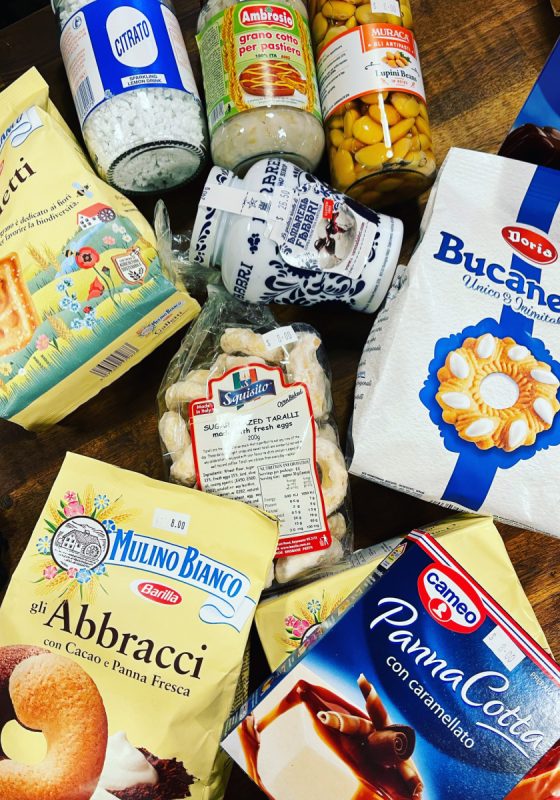
The Italian equivalent of Vegemite and Saos, these are all kitchen staples.
“Everyone loves Italian food but in Australia there has been a lot of misbranded and fake Italian food that is not the genuine product, so it makes me happy to see all the work being done to make sure people understand what the real product is, and how good it tastes!”.
So this Christmas, if you want the taste of Italy on your table, it’s simply a matter of checking the label.