It’s about bloody time – my first plasma donation
Posted on
Since coming out in my 20s, I’ve faced some tough stigma, but have faced very few major obstacles overall – it’s been a privilege to discover my identity in a city like Canberra.
One of the obstacles that had me most conflicted was the restrictions on gay and bisexual men giving blood. As someone who doesn’t like needles, I was grateful for an excuse not to donate, but I was also frustrated that I didn’t have a choice.
Previously, men who had sex with other men had a three-month wait before they could donate – something that made it practically impossible for most, including myself and my long-term partner.
Thankfully, in response to rigorous research, from 14 July 2025, this wait time has been waived for plasma donation, making it possible for around 600,000 Australians to donate, including gay and bisexual men, transgender women, and others who were impacted.
The safety of blood is non-negotiable; people who need it have to have access to a safe, secure blood supply. It’s when stigma and fear override data and evidence that we risk discrimination rather than precaution, and I’m proud that Australia is leading the way in applying the science.
So now that I’m able, I excitedly (and very nervously) booked my first donation.
The perceived risk of HIV
As I grappled with my sexuality in my teens, one of my biggest fears was the threat of HIV. Pop culture had me believing it was inevitable, and without the recent developments in medication and preventative measures, I get it – it’s scary.
Now, having lived as an openly gay man for more than a decade, I can’t help but reflect on the wide chasm between depiction and reality. I would wager few populations are more informed about sexual health practices, more regularly tested, or more aware of the options available for prevention and treatment.
Rates of new HIV infection have fallen substantially since the 1980s, with 722 new HIV cases reported in 2023 in Australia, 63 per cent of which were reported as a result of male-to-male sex.
This trend is supported by the development of antiretroviral therapy (ART) that can reduce HIV in the blood to undetectable levels, and preventative medications like pre-exposure prophylaxis (PrEP).
For years, restrictions on blood donations remained unchanged, allowing this progress to go unrecognised and reinforcing stigma despite the latest data and research. Gay and bisexual men in monogamous marriages or long-term relationships faced discrimination, and valuable donations were denied. Now things have changed.
The removal of wait times for plasma and changes to the intake process will help prevent this discrimination in the future.
“Once implemented, all donors will be asked the same questions about their sexual activity, regardless of their gender or sexuality, and most people in a sexual relationship of 6 months or more with a single partner will be eligible to donate blood. In addition, most people with new or multiple partners will also be able to donate blood if they have not had anal sex in the last three months. The change will bring an end to men being asked if they’ve had sex with another man.” – Red Cross announcement.
Plasma is also a sensible first step. Plasma medicines (the blood product in most demand in Australia) are processed using additional techniques that kill viruses and bacteria, allowing for less-strict donation rules than for whole blood.
A supportive environment
So, it turns out decades of anticipation and a fear of needles are not the ideal recipe for a seamless first donation. My first attempt did result in me feeling a bit faint and having to abandon my donation. Though I was extremely disappointed, the team at Red Cross was so kind and understanding, explaining that quite a few first-time donors experience nerves and aren’t able to donate their first try.
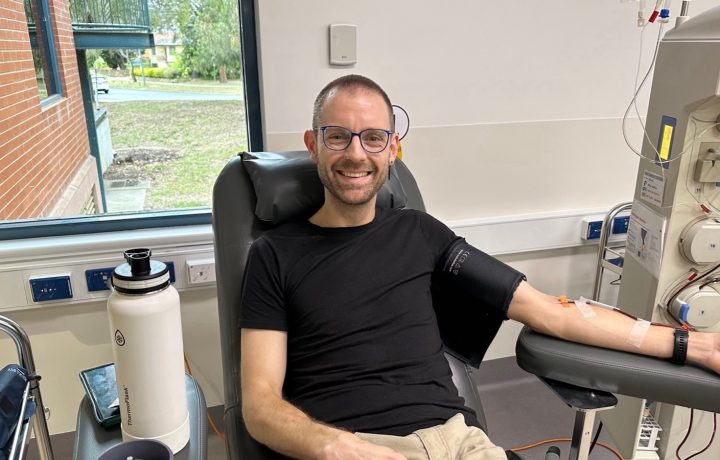
So I didn’t let that stop me (though I was tempted!). Four weeks later, I returned determined to make a full donation, and it was a great success! I’m proud that I overcame my fear, that science has prevailed, and that Australia is leading the charge to save more lives while treating all potential donors with dignity and fairness.
If you’re keen to try it for yourself, or to find out more, visit the Life Blood website.