Volunteering for a political party isn’t what you think

Posted on
If you asked most people what it’s like to volunteer for a political party, you’d probably get the same handful of answers: handing out flyers, getting into debates, or sitting through long meetings where everyone argues about policy and the intricate details.
Even when I started working for the ACT Greens, I assumed that’s what I’d find, but what I found was something completely different – something far more human, warm, occasionally quirky, and always genuinely joyful.
Volunteering inside a political party, at least in Canberra, isn’t really about politics – it’s about people. It’s this surprisingly warm, people-powered little ecosystem with real heart. And the folks who turn up are nothing like the political stereotypes I had in my head. Sure, plenty of people are passionate about the issues, but many are just looking to feel useful or to be part of something. And then there are the people who come because it’s a space where they’re welcomed, valued, and able to show up as their whole selves – no judgement, no pretence, just community.
The unexpected community behind the scenes
Every party relies on volunteers, to some degree, to function. What surprised me wasn’t that people volunteer, but how many people volunteer and how they volunteer. If you picture a room full of people stuffing envelopes, you’re missing 90 per cent of the story.
Political volunteering looks like:
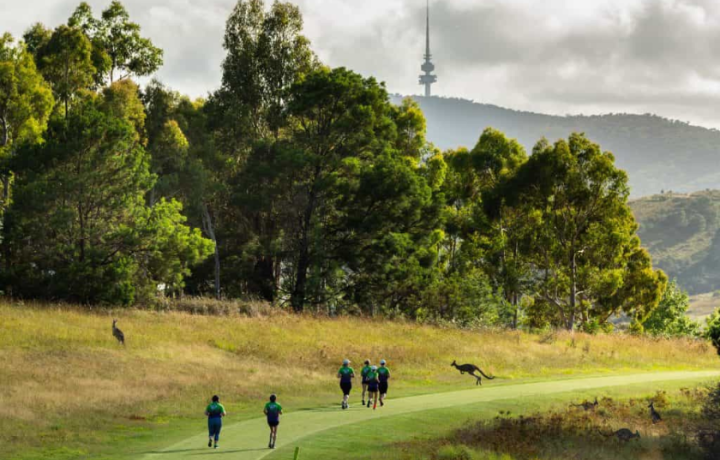
- Bush walking clubs and board-game nights that become social anchors
- Quiet cups of tea with new members who are nervous to step through the door
- Weekend expos where volunteers talk to locals about the issues they care about
- Creative sessions designing posters, banners for rallies and community events bring ideas to life in creative, hands on and collaborative ways
- Creating and sharing social media to build the brand and spark curiosity and engagement
- Photographers and bakers and spreadsheet lovers offering their skills
- People checking in on each other because community care is part of the culture
Of course, the core activities of letterboxing, election day volunteering, phone callingare still there. They matter. But they sit within a much larger web of connection and participation that has very little to do with discussing politics and policy and everything to do with building relationships.
A gentle entry point to purpose
One of the most surprising things I’ve noticed is that people rarely start volunteering because they’re passionate about a political issue. Sometimes they start because they are concerned about a local issue something in their street or neighbourhood but often it is because someone invites them to something low-key. A picnic. A board games night. A rally. A working bee. A neighbourhood meeting with homemade muffins.
They come along, chat to a few people, and realise that these are just humans trying to make their city a bit kinder, a bit more sustainable, a bit more connected. No one hands them a script. No one expects them to agree on everything. They can contribute in a way that feels natural and authentic to them.
And for many people – especially those new to Canberra or feeling disconnected – that’s priceless.
Skill-building that feels organic
Another unexpected upside is the way volunteering gently builds confidence and skills. People who never thought they could facilitate a meeting end up leading discussions. Quiet organisers become logistics powerhouses. Keen creatives take the lead on visual communications. Someone who can bake becomes the person everyone remembers.
It’s not forced leadership; it’s emergent leadership. People grow because they’re supported, not scrutinised. And those who quietly continue are also recognised and valued for what they bring.
Finding belonging in the most unlikely place
At its heart, volunteering for a political party is not about memorising policy or attending rallies. It’s about belonging. It’s about finding a space where your contribution – big or small – matters. It’s about laughing with people you may have not met otherwise. It’s about discovering that democracy isn’t only an institution; it’s a practice that happens one conversation, one connection, one shared moment at a time.
And if you’ve ever thought, “I’m not political, so that’s not for me,” I’d gently offer this: maybe it’s not about the politics at all. Maybe it’s about the community. Maybe it’s about the purpose. Maybe it’s simply about finding your people in an unlikely place.