How I Got Here: Veteran, health advocate and defence partner Zoë King
Posted on
Admit it, we’ve all been there – stalking social media and LinkedIn profiles, trying desperately to figure out how the hell someone got their dream job.
It seems impossible, and yet there they are, living out your career fantasy (minus the itchy business suit). It might seem hard to believe, but once upon a time, they were also fantasising about their future career, and with some hard work, they made it.
Welcome to How I Got Here, HerCanberra’s series that reveals everything you want to know about the secrets of career success. This week, we sit down with Zoë King, a military veteran, mental health advocate, and Strategic Client Partner for Defence and National Security at Kinetic IT. From serving 20 years in the Australian Army to navigating mental health challenges and shaping Australia’s sovereign tech capability, Zoë shares how choosing purpose over prestige transformed her career path.
Existential crisis time: Who are you and what do you do?
I’m Zoë King, strategic client partner for Defence and National Security at Kinetic IT. I spent 20 years serving in the Australian Army as a Signals corps officer before moving into consulting and technology leadership roles. Today, I work with Defence and Federal government organisations to solve complex challenges and strengthen Australia’s sovereign technology capability. At the centre of everything I do is people. Technology matters; however, people are the ones who deliver outcomes.
Let’s go back to when you were a kid. Have you always dreamed of working in this industry?
Not at all. I joined the Army straight out of school because I was looking for purpose, challenge, and an opportunity to serve. Technology wasn’t the destination; it became the pathway. Through communications, IT, and leadership roles, I discovered how powerful technology can be when it’s used to support people, drive change and enable important missions.
Tell us about when you were first starting out. What set a fire in your belly and how did you get here?
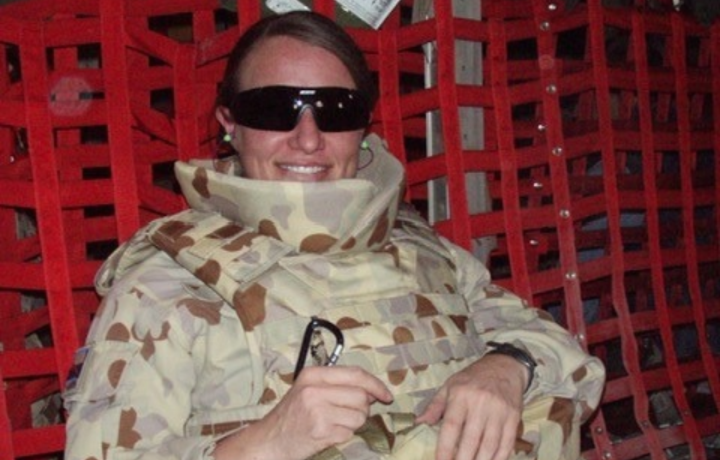
Service has always been my biggest motivator. My military career taught me leadership, accountability, and resilience, particularly during deployments across the Middle East. Those experiences showed me how critical technology is in keeping people connected, informed, and safe. Every role I’ve held since then has been driven by a desire to continue contributing, whether that was in uniform or back into Defence via the technology sector.
Recall a time when you wanted to chuck it all in. What did you tell yourself when it got too hard?
There have definitely been difficult periods. Like many veterans and the wider community, I’ve faced challenges with my mental health. One of the most important lessons I learned was that asking for help and openly talking about it is a strength, not a weakness. I also learned that purpose matters. When things become difficult, I come back to why I’m doing the work and who it helps. That perspective has always helped me keep moving forward.
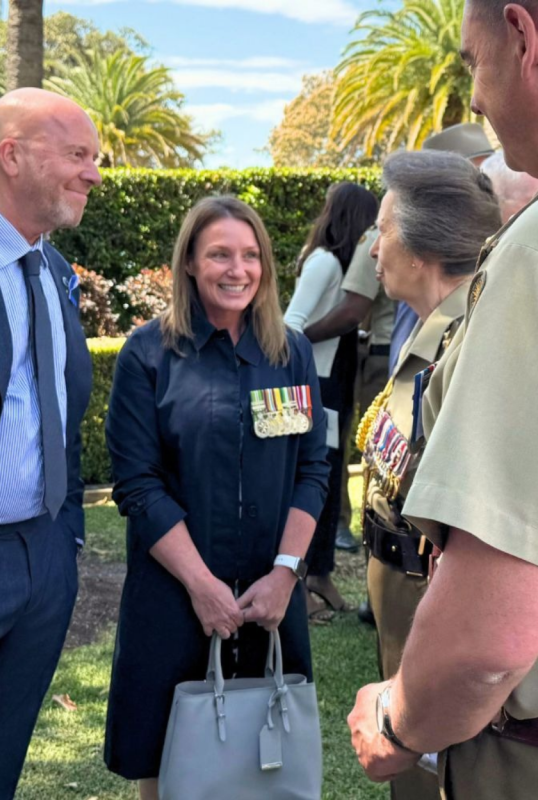
Zoë King meeting Princess Anne at Certa Cito event, 2025.
What was your biggest break?
Leaving the Army and successfully transitioning into the civilian workforce was probably my biggest break. Moving from military service into consulting and technology wasn’t straightforward, particularly when many of the people I was advising had once been my peers. Over time, I realised I could continue supporting Defence and government in a different capacity. Joining Kinetic IT was another pivotal moment because it aligned so closely with my values around service, people, and increasing Australia’s resilience through sovereign capability.
What’s the best piece of advice you’ve ever received?
You can’t be what you can’t see.
Hearing General Susan Coyle, Australia’s first female Chief of Army, say that resonated deeply with me. Representation matters. When people can see someone who looks like them in leadership positions, it expands their view of what’s possible. That’s particularly important for women considering careers in both Defence and technology.
What is it about your industry that you love and what makes you want to pull your hair out?
I love that technology can solve real problems and make a meaningful difference. Whether it’s improving government services, supporting national security, or helping organisations operate more effectively, the impact is tangible.
What frustrates me is when providers lose sight of the purpose behind the work. Commercial success is important; however, it should never come at the expense of doing the right thing. The best outcomes happen when organisations balance performance, integrity, and long-term value.
Tell us how you stay in the know. What media do you consume?
I stay informed through a combination of industry publications, Defence and National Security commentary, and conversations with customers and peers. Some of the most valuable insights come from listening to the people who are dealing with challenges firsthand. I’ve also always been interested, and have conducted postgraduate study in international relations and geopolitics because of how global events directly shape Australia’s future.
Where do you see yourself in five years?
I hope to still be contributing to Australia’s future, particularly in areas related to sovereign capability, technology, and national resilience. I’d also like to spend more time supporting the not-for-profit sector through board positions and governance roles. Creating positive outcomes for communities is something I’m passionate about.
Why should people follow in your footsteps?
I don’t think people should follow my footsteps exactly because everyone’s journey is different. What I would encourage people to do is follow their values. Some of the best decisions I’ve made involved stepping away from roles that didn’t feel right and choosing purpose over prestige. If your work aligns with your values, success tends to follow.
What advice would you give your past self?
Stop worrying about having everything figured out.
Careers aren’t linear, and life rarely goes to plan. Trust your instincts, stay true to your values, and don’t be afraid to change direction when something no longer feels right. Most importantly, remember that empathy is a leadership strength. The ability to understand people and genuinely care about outcomes will take you further than you think.