Meet the finalists of the ACT Women’s Awards 2026: LewChing Yip
Posted on
From transforming healthcare and improving women’s safety to opening doors in construction, automotive and sport, 11 remarkable women and gender-diverse people have been named finalists in the 2026 ACT Women’s Awards.
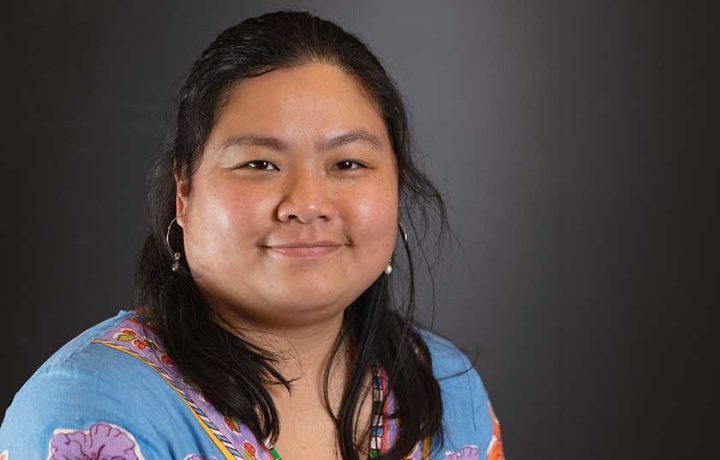
In the lead-up to the 2026 ACT Women’s Awards ceremony on Thursday 3 September, we wanted to get to know each of the finalists a little better. Today we meet LewChing Yip, a survivor advocate and lived-experience leader working across domestic and family violence, mental health and youth advocacy.
Congratulations on being named a finalist in the 2026 ACT Women’s Awards! How did you feel when you found out? What does being recognised as an ACT Women’s Awards finalist mean to you?
When I found out, I felt a quiet pride and gratitude. I thought of my younger self, navigating violence and migration alone, and wished she could see how far she’d come. Being recognised as a finalist feels like a moment of honour for my communities and for every young person who has ever felt unheard.
In a nutshell, tell us about the work or initiative that led to your nomination.
I’m a queer woman of colour and lived experience leader whose advocacy is shaped by my own journey of fleeing family violence as a young migrant without support. These experiences drive my commitment to amplifying the voices of my communities, especially migrant children and young people, who are too often excluded from conversations about their safety, autonomy, and recovery.
In 2024, I founded Project Chosen Family to open up safe, honest conversations about challenging family relationships. The initiative now partners with youth services to meet young people where they are, reducing barriers to early intervention and helping break intergenerational cycles of harm through peer support and storytelling.
Looking back, was there a particular moment, challenge or experience that set you on this path?
I was a young person who knew I was distressed but didn’t have the language to explain what was happening around me. It wasn’t until years after I had removed myself from that environment that I understood I was a survivor. That realisation set me on this path. I want other children and young people who feel as alone or unheard as I once did to know they are believed, their voice matters, and they never deserve systems that speak their language.
Is there a woman, mentor or role model who has inspired your journey?
Many people have supported and guided me, but my strongest role model has been my younger self. She couldn’t make sense of her experiences, yet she fought for a future she couldn’t yet imagine. She knew she deserved better, and she found a way out. Her courage is the reason I am still here today and the reason I get to do this work. I honour her every time I advocate for young people navigating similar journeys.
What advice would you give to a young woman or gender-diverse person hoping to make a difference in their own community or industry?
I reclaimed my voice by advocating for better access and safer systems for my communities. If you have something to say, hold onto that fiercely. Your lived experience is expertise. Don’t let anyone convince you otherwise. Speak up, seek allies, and trust that your perspective can change the spaces you move through.