Spring is here, the flowers are blooming, the grass is greener, the air is fresh, and what better way to mix up your regular dining experience than enjoying it outdoors with spectacular views?
Whether you want delicious food, good vibes, or Instagram-worthy pictures, these seven spots in Canberra have got you covered.
Margot Bar (Parkes)
Located right on the edge of Lake Burley Griffin, Margot provides a relaxed, lakeside atmosphere, perfect for a memorable dining experience. Its outdoor European-inspired seating with tables and shaded umbrellas right by the water is perfect if you want to soak up the spring sun while indulging in your favourite foods.
Upgrade your regular morning coffee with their premium coffee powered by Seven Miles Coffee Roasters, and add a fresh pastry or toasty to your order while you’re at it. Also, in great news, Margot keeps its tables free for walk-ins so you can just turn up anytime!
West Kiosk, Queen Elizabeth Terrace, Parkes | @margotbar.cbr
The Jetty (Parkes)
Sitting on the shores of Lake Burley Griffin, The Jetty offers a variety of meal and beverage options with access to direct views of a variety of popular landmarks such as Telstra Tower and the War Memorial.
Veneziano Roasters coffee and Sonoma pastries or local baked goods are served from early mornings daily, and to max out your dining experience, The Jetty Beer Garden is a great choice if you’re craving burgers, loaded boxes or pizza. Pair it with some beer, wine or cocktails, and the company of live music and you’re all set for the perfect dining experience.
The Dock is a lively, pet-friendly pub located on Kingston Foreshore, perfect for sports lovers. Wanting to enjoy schnitzels, steaks, rotating seasonal specials and more, while watching your favourite sports? Well, The Dock contains multiple big screens inside and outside broadcasting these games, suited to keeping you entertained on your Friday night wind-down, or your night out with friends.
Craving a wholesome high tea date with your friends and looking for a valid excuse to dress and glam up? Book a reservation at The Marion, located on Barrine Drive in Parkes. This experience will bring you unlimited tea from a selection of 25 different varieties, uninterrupted waterfront views overlooking Lake Burley Griffin, and nearby national cultural institutions, any day starting at 10 am.
The Marion is also suitable for numerous other events. If you’re looking for lunch, their menu features many seasonal local produce, and if you would like to host other events such as weddings, baby showers and corporate functions, The Marion is an excellent choice – just make sure to hire privately!
Not only will you have a lake view at The Boat House, but you will also be surrounded by beautiful nature. Located in private parkland at Grevillea Park in Barton, you’ll have a direct view of waterfront vistas through timber-framed windows. If you are wanting a quiet, private dining experience, there are also private dining rooms and outdoor waterfront decks. With a very versatile offering, The Boat House has a seasonal menu that includes seafood and meats that even picky eaters enjoy!
Elevate your lakeside fine-dining experience by booking at Water’s Edge Canberra. A popular award-winning restaurant, with five-course options alongside expert wine pairings, and daytime High Tea from Wednesday to Sunday right on the shores of Lake Burley Griffin. Whether you’re craving French or Mediterranean cuisine or some pastries alongside savoury bites, Water’s Edge is just for you.
Step outside of your comfort zone and try some authentic Nepalese food at Lakeside Gurkhas, located right in the heart of Kingston Foreshore. Expect chicken sekuwa and goat curry alongside a budget-friendly selection of wine, while choosing seating from a patio right on the water or a spacious indoor setting. The venue is also very accessible, providing a step-free entry via a flat, solid walkway.
Make sure to book at Lakeside Gurkhas for your next romantic date, lunch hangout, or family gathering and indulge in some Nepalese cuisine.
There are flowers, there’s food, there are garden workshops… and there’s Duck Cake Day.
That’s right, the iconic Women’s Weekly Duck Cake is getting its very own moment at Floriade this week, with bakers invited to recreate the 1980s cult classic and compete for the People’s Choice award.
Add in cooking demonstrations, native ingredient workshops and plenty of spring gardening inspiration, and there’s a lot to squeeze into your visit.
Duck Cake Day on Sunday 27 September celebrates this classic cake by bringing together an array of home-cooked masterpieces for visitors to admire before they are judged by the panel.
For each age group, cakes will be judged on their resemblance to the original Duck Cake and best Floriade interpretation of the Duck Cake. All available competition places have now been allocated, but you can sign up for the waitlist for the opportunity to participate if a spot opens up.
Don’t miss the chance to see all the entries and be part of the People’s Choice vote for the finalists on the day!
Cook up some culinary inspiration
Big names in Australian food and local legends continue the vibrant Floriade cooking content this week.
Chef, television personality and author Justine Schofield will share her approach to fresh, seasonal cooking through two live appearances at 11 am and 1:30 pm on Saturday 19 September. The demonstrations are free and you don’t need a ticket.
Missing Onzieme? Put 3 pm on Sunday 20 September in the diary. Award-winning chef Louis Couttoupes (former owner and chef of the acclaimed woodfired restaurant) will be hosting a live cooking demonstration on the power of elemental cooking. Louis is known for his hyper-seasonal menus and fire-driven kitchen hearths, and will demonstrate how ancient wood-fire techniques can be brought into modern cooking. The event is free, but you must book a spot online before you come.
Get closer to culture
Tasting Australia: Feast of Flowers with Wiradjuri man Adam Shipp is a seasonal cultural experience inspired by the National Museum’s Christina and Trevor Kennedy Garden. This year, the experience comes to Floriade, where participants can enjoy the spirit of Australia’s native ingredients and First Nations knowledge in a vibrant spring setting.
Celebrating the Feast of Flowers, this one-hour workshop explores the connections between people, plants and food through a curated tasting and storytelling experience. Guests will discover Australian native plants, their traditional uses, cultural significance and role in everyday life while engaging in sensory exploration and shared learning.
It’s on Friday 25, Saturday 26 and Sunday 27 September at The Garden House by Bunnings Warehouse in Commonwealth Park. Buy your tickets here.
See what’s growing at Majura Valley Farm
The Majura Valley Farm Kitchen Garden is a working seasonal garden planted and looked after by the Majura Valley Farm team throughout Floriade 2026. You can wander through beds of spring vegetables, edible flowers and herbs, and find out how the crops grow, when to harvest them and how to eat them.
On Sunday 20 September, get a little more hands-on at the Majura Valley Farm – Cut Flower Workshop. The team will show visitors how to grow snapdragons, zinnias or cosmos from seed, with each participant taking home a custom Floriade seed packet ready to plant.
And on Saturday 26 September, you can also pick up some growing inspiration at the Majura Valley Farm – Tomato Workshop. Visitors can learn how to plant and care for a tomato seedling, with each participant able to take one home in a compostable pot.
Floriade About Town
Floriade blooms beyond Commonwealth Park this year as part of Floriade About Town, so there are a whole lot of ways to immerse yourself in Australia’s biggest celebration of spring.
Inspired by Floriade’s Feast of Flowers, Lunetta’s elegant aperitivo experience brings European flair to one of Canberra’s most scenic settings. Imagine Wheeler’s oysters and Cloudy Bay wines poured in the sunshine – a little Floriade ritual, high above the city.
Just out of town, you can savour a sweet taste of Floriade at the Murrumbateman Chocolate Company in everything from botanical gin truffles to floral chocolate-making workshops.
Our national cultural institutions are also being inspired by the festival. The National Library of Australia is serving up floral-inspired café menus, botanical window displays, family activities, and collection treasures, while the A Feast of Flowers in Portraits tour at the National Portrait Gallery runs daily at 1 pm until 11 October. This free 30-minute tour features three portraits from the National Portrait Gallery’s collection that embody the theme of Floriade!
We’ve all heard that exercise is great for your mental health. But it can often feel a little (or a lot) intimidating to know where to start, how to start and who to do it with.
That’s where the Females in Training (FIT) come in. FIT is a Canberra-based club, run by women for women; it’s all about enjoying the outdoors, moving your body, and connecting over –of course – coffee.
FIT is gearing up for the return of their Women’s Triathlon Training Program (WTTP), a spring/summer initiative that’s been designed to support women who are looking to test the waters of triathlon. And whether you’re a casual jogger, a weekend cyclist, or simply curious about the sport, this eight-week program might be the perfect FIT for you.
During this program, participants can look forward to three weekly coached sessions while also enjoying the benefits of a FIT membership until 30 June 2027. This package includes a Triathlon Australia Basic Membership with training insurance, an orientation night to meet the coaches and fellow first-timers, and practical sessions covering everything from choosing the right shoes and preventing injury to bike maintenance and building a strong mindset. A lake swim familiarisation, a FIT running t-shirt, discounts at The Runners Shop in Phillip, and obviously an end-of-program celebration are also included as part of the fun.
To make things extra special, this year FIT is offering four scholarships for the program, and everything you need to know will be shared at the upcoming information night. Key dates to keep in mind are Tuesday 22 September for the free online information session, Tuesday 6 October for the Welcome and Orientation event, and Thursday 8 October for the very first training session. Finally, Sunday 29 November is the Canberra Triathlon for Fun! Registrations close on Sunday 4 October or earlier if spots are filled.
The program is open to all women aged 18 and over, with the only requirement being basic swimming ability (if you can swim a lap or two, that’s enough to get you started!). Training will be held at central Canberra venues, making it super easy to fit into your weekly routine.
To learn more or to register, head to the Women’s Triathlon Training Program page or get in touch with Program Coordinator Jane Ogge at wttp@fitact.org.au.
Because sometimes the best part of training is the coffee shared afterwards.
THE ESSENTIALS
What: Women’s Triathlon Training program (WTTP) When: Program starts Tuesday 6 October, with the triathlon event on Sunday 29 November. Where: Central Canberra venues Web: fitact.org.au
From shopping the Baytina Canberra Warehouse Sale in Fyshwick to hiring a free court for Play Tennis Week, to visiting RELICS: A New World Rises at the Canberra Museum and Gallery, your itinerary will take you all over town.
Read on and start building your curated weekend edit of things to do in Canberra!
Looking for even more to do in Canberra? Check out our What’s On section to find hundreds of events happening around town.
Don’t miss…
Baytina Canberra Warehouse Sale
Planning a home build or spring refresh? Head down to Fyshwick as Baytina opens its doors for a massive three-day warehouse tile sale! Open to the public, renovators, builders, and trades alike, this genuine warehouse event offers incredible savings with up to 80 per cent off premium tile stock. Walk straight through the warehouse, hunt down fantastic bargains, and secure your favourite designs on the day. Complete with a relaxed community atmosphere and a sizzle on the barbecue, it’s the ultimate destination to snap up high-quality materials for your next project at unbeatable prices.
Tennis ACT is running Play Tennis Week across Canberra and the surrounding region, offering one free 60-minute court hire session per person at participating affiliated clubs. More than 30 clubs are taking part across the ACT and neighbouring NSW towns, including Queanbeyan, Googong and Murrumbateman. Alongside the free sessions, Tennis ACT is running the Battle of Canberra, tracking bookings by suburb to determine bragging rights between the city’s north and south sides.
Saturday 19 until Friday 25 September, various times | Participating clubs across the ACT region | tennis.com.au
Korea Day 2026
Glebe Park comes alive with vibrant colour, music, and delicious aromas for Korea Day 2026. This free family event celebrates the rich heritage and dynamic contemporary culture of Korea in a fun, inclusive environment. Experience high-energy K-pop dance performances, impressive Taekwondo demonstrations, and traditional folk music throughout the day. Food lovers can feast on authentic Korean street food, while hands-on cultural activities offer something engaging for all ages. It’s a wonderful community festival to soak up spring sunshine and celebrate our city’s rich cultural diversity.
Step into an imagined future where miniature civilisations build vibrant new worlds inside everyday vintage objects. Created by LEGO® Masters winners Jackson Harvey and Alex Towler, this immersive exhibition at Canberra Museum + Gallery combines sculpture, nostalgia, and playful storytelling. Discover hidden details inside retro Volkswagen Beetles, grandfather clocks, and old appliances transformed into intricate LEGO® sanctuaries. Perfect for curious minds aged 0 to 99, this detailed display invites visitors to slow down and rediscover the joy of imagination. It’s a captivating cultural outing for the whole family.
Opening Saturday 19 September, 10 am–4 pm | Canberra Museum + Gallery, City | cmag.com.au
K-pop Random Play Dance
The Hallyuverse and Espeon Dance Crew present a K-pop Random Play Dance at Garema Place in Civic. The free outdoor event invites dancers and onlookers to take part in a spontaneous group session, with a mix of K-pop songs played in random order. Dancers who know the choreography to a track can step into the marked dance area to perform, returning to the sidelines once the song ends.
The Hallyuverse runs similar events internationally, connecting local K-pop cover crews and fans through public random play dances that are filmed and shared as fancams. Attendees are invited to submit song requests in advance via an online form.
Direct from its award-winning West End season, Pride and Prejudice (sort of) arrives at Canberra Theatre Centre for its Australian debut. Five fearless female performers tackle Jane Austen’s iconic romance in a fiercely funny, irreverent adaptation packed with pop anthems like Young Hearts Run Free and You’re So Vain. Playing all the characters—servants, suitors, and aristocrats alike—the cast delivers a high-energy performance full of heart, chaos, and sharp wit. It’s a clever, laugh-out-loud night at the theatre that turns classic literature on its head while staying true to its romantic soul.
Until Sunday 27 September, times vary | Canberra Theatre Centre, London Circuit, City | canberratheatrecentre.com.au
Floriade 2026
Australia’s premier spring celebration returns to Commonwealth Park with over one million flowers blooming in a spectacular display. Celebrating the theme Feast of Flowers, this year’s festival highlights the delightful connections between garden design, local produce, and community feasts. Wander through garden beds crafted like vibrant agricultural tapestries, enjoy live entertainment, sample delicious regional food, and drop into creative workshops. Families will love the interactive exhibits and weekend markets, while satellite displays across Canberra ensure spring color reaches every corner of our city. Pack a picnic and welcome the new season at our capital’s ultimate festival.
Until Sunday 11 October, times vary | Commonwealth Park, Canberra | floriadeaustralia.com
Disney’s Frozen, The Broadway Musical
Step into an enchanted winter wonderland as Free-Rain Theatre Company brings Disney’s Frozen live to The Q stage! Based on the beloved Academy Award-winning film, this sensational musical production follows Princess Anna on an epic journey alongside Kristoff and Olaf to find her sister Elsa, whose hidden magic accidentally trapped Arendelle in eternal ice. Featuring a talented local cast, striking costumes, and iconic songs like Let It Go, this magical experience combines courage, sisterhood, and theatrical stagecraft. It’s an unforgettable outing guaranteed to delight theatre lovers of all ages.
The ACT EmergencyRedi Expo will bring together emergency services, community organisations and Canberra residents for a fun, interactive day focused on helping people prepare for emergencies.
Hosted by Australian Red Cross in partnership with the Multicultural Hub, ACT Emergency Services Agency and ACT Policing, the event will feature practical emergency preparedness activities, emergency services personnel, planning advice, giveaways and community challenges, including a one-minute emergency kit competition.
Hunt for pre-loved gems at Marymead CatholicCare’s annual Spring Garage and Plant Sale in Narrabundah. Browse stalls packed with vintage clothing, books, homewares, toys, jewelry, potted garden plants, and homemade baked goods, with all funds raised benefiting local community support programs.
Forrest Bower, a private garden in Forrest, opens to the public as part of Open Gardens Canberra’s spring program. The property comprises ten distinct garden spaces, including the Grand Lawn, Woodland Walk, Walled Garden and Cloister Courtyard. Designed as a world garden, it draws on ideas from a range of cultures, with artworks throughout the grounds reflecting the owners’ travels and life experiences. Visitors are free to wander between the different spaces, each offering its own character and outlook. The garden forms part of a wider spring program of open gardens running across the Canberra region, with several other properties opening on alternate weekends throughout the season.
Dust off your crowns and gather your family for a magical afternoon of free trivia at Jamison! Test your knowledge on all things Disney Princesses, from classic favourites like Cinderella and Ariel to modern heroes like Rapunzel. Dressing up as your favourite royal character is strongly encouraged, adding extra sparkle to a fun-filled session of friendly competition, laughs, and delicious food. It’s a fantastic weekend outing for kids and parents alike, but with table bookings essential, you’ll want to rally your team early to secure a spot.
Treat your four-legged best friend to a frosty adventure with one of Australia’s only dog-friendly snow experiences at Corin Forest. Pups and their humans can enjoy a dedicated 60-minute snow play session—perfect for catching snowballs, digging in the snow, and capturing playful winter photos. To protect the surrounding Namadgi National Park wildlife, all dogs must remain on-lead throughout the event.
Saturday 19 September & Sunday 20 September, 9 am – 3 pm | Corin Forest, 1268 Corin Road, Paddys River | corin.com.au
An evening for Nepal
ArtSound FM and NKSSP Canberra, the Nepali Art, Culture and Literature Academy, present a fundraising evening supporting families in Nepal affected by flash flooding and landslides along the Nepal-China border in late August. The evening features live sets from local acts The Devil and The Bunny and The Daisy Coolective, with a bar and snacks available throughout. All profits from the event go to the Emergency Action Alliance’s Nepal Flood Disaster Appeal, which coordinates Australian aid organisations delivering emergency shelter, clean water and medical care.
Sunday 20 September, 6 pm–8 pm | Polish White Eagle Club, 38 David Street, Turner | artsound.fm
Kambah Sustainability Fair
The 4th annual Kambah Sustainability Fair returns to the historic Kambah Woolshed for a family- and pet-friendly day celebrating eco-friendly living and community connection. Browse local market stalls, enjoy live music and dance performances, participate in hands-on workshops, and grab a bite from local food vendors.
Melbourne’s popular reader-rave experience comes to Gang Gang Cafe! Unwind with an afternoon of silent reading, drawing, or knitting accompanied by a live ambient electronic DJ set by Grant Krupp. Bring your own book or picnic blanket, and let the music wash over you.
Sunday 20 September, 3 pm – 6 pm | Gang Gang Cafe, 2/4 Frencham Place, Downer | humanitix.com
NFSA Spring Film Series
Enjoy the NFSA’s curated program of recent releases and revived classics, from high art to guilty pleasures. There’s something for everyone!
Follow the pull of earth, water, fire and air in the Spring Film Series at Arc Cinema. From epic river journeys and windswept adventures to stories of passion, change and survival, these films reveal the forces that shape our world and ourselves.
Step into these elemental worlds and discover stories that move, challenge and transform.
Until Monday 30 November | NFSA Acton, McCoy Circuit, Acton | nfsa.gov.au/whats-on
Food + Drink
La Fonda at Cypher Brewing Co.
Celebrate Chilean culture and Fiestas Patrias as Cypher Brewing Co. brings three days of authentic food, live music, traditional dance, and family activities to Gungahlin. The dedicated weekend menu features empanadas, sopaipillas with pebre, porotos granados, and traditional sweets alongside Condorito Cerveza—a Chilean-inspired lager brewed specially for the occasion—and pisco sours. Highlights include Latin live music, official embassy formalities, cueca music and dance by Baila Chile, and Sunday workshops for kids featuring percussion, dance, and face painting.
Friday 18 until Sunday 20 September | Cypher Brewing Co., Unit 3/35 Hinder Street, Gungahlin | cypherbrewing.com.au
Pfeiffer Wines Canberra Long Lunch at Pomegranate
Indulge in an afternoon of exceptional food, wine, and warm hospitality as Pfeiffer Wines returns to Kingston’s acclaimed Pomegranate Restaurant. Chef Erkin’s award-winning menu highlights fresh, seasonal produce using refined French techniques with subtle Turkish influences. Each beautifully crafted course will be thoughtfully paired with a selection of fine Pfeiffer wines. Set in an intimate dining room awarded a Chef’s Hat for five consecutive years, this luxurious four-hour-long lunch promises wonderful conversation and culinary delight. Book your place early to secure a table for this beloved annual food event.
Step into the shoes of a winemaker with Jeremy Nascimben at Mount Majura Vineyard. Taste current vintages, draw barrel samples from the unblended 2026 vintage, and craft your custom blend of Tempranillo, Shiraz, and Graciano. Enjoy regional tasting platters while a judging panel selects the best blend of the session.
Saturday 19 September, 10.30 am – 12 pm | Mount Majura Vineyard, 88 Lime Kiln Road, Majura | mountmajura.com.au
Pride and Prejudice x QTea High Tea
Indulge in a delightfully witty afternoon of Regency elegance at The QT Lounge. In partnership with Canberra Theatre Centre, QT Canberra presents a Pride & Prejudice-inspired QTea experience that blends classic manners with a touch of modern flair. Settle in for three tiers of cucumber sandwiches, wild mushroom croquettes, and warm scones served with rosewater cream. A flowing white chocolate fountain and a roaming Space Kitchen cake trolley add a decadent touch. It is the ultimate pre-matinee treat, offering picturesque city views and sophisticated treats that would satisfy even Mr Darcy himself.
Until Saturday 26 September, times vary | QT Lounge, Level 15, 6 Marcus Clarke Street, Canberra | qthotels.com
Underground Spirits Gin Garden at Floriade
Spring in the capital just got a fabulous upgrade with the return of the Underground Spirits Gin Garden at Commonwealth Park. Surrounded by vibrant blooms, this maximalist pop-up features oversized botanicals, glittering disco accents, and a custom menu of seasonal gin cocktails and refreshing mocktails. The star of the show is the signature Cocktail High Tea: a 90-minute experience featuring teapot cocktails, vintage teacups, and artisanal delicacies from L’épi Artisan Bakery. Whether you pop in for casual afternoon drinks or book a decadent high tea with friends, it’s the ultimate place to celebrate spring in style.
Until Sunday 11 October, times vary | Commonwealth Park, Regatta Place, Parkes | undergroundspirits.com.au
Floriade High Tea at natural nine
Natural Nine inside Casino Canberra presents a modern Shanghainese twist on traditional High Tea. The savoury and sweet menu includes items such as steamed truffle chicken bao, duck filo cigars, cumin lamb skewers, Nutella spring rolls, and jasmine tea cream seared bao, alongside premium teas or optional handcrafted tea cocktails.
Until Sunday 11 October | Natural Nine, Casino Canberra, 21 Binara Street, City | casinocanberra.com.au
Pints and Produce
Capital Brewing Co. and Alpha Fresh present Pints and Produce, a new weekly Sunday market at Capital’s Fyshwick taproom. The pop-up combines seasonal produce with beer, food and live acoustic music. Central to the event is the $40 Alpha Box, filled with as much seasonal fruit and vegetables as customers can fit, provided the lid closes. Additional entertainment includes face painting and access to the nearby LESS garden. An hourly Harvest Raffle runs from 1 pm to 4 pm, open to anyone who buys an Alpha Box or spends over $20, with winners receiving an Alpha Fresh voucher and Capital merchandise.
Every Sunday, 12 pm–4 pm | Capital Brewing Co. Taproom, Building 3/1 Dairy Road, Fyshwick | capitalbrewing.co
Markets & Expos
Harvest Stall
Stock up on delicious homemade goodness at the National Arboretum’s seasonal Harvest Stall. Held in the comfortable Village Centre, this popular volunteer-run market features fresh preserves, traditional chutneys, artisanal jams, and garden seedlings. Everything is handcrafted using organic produce grown right in the Arboretum’s Kitchen Garden and surrounding forests. It’s a fantastic spot to pick up thoughtful gifts or gather garden inspiration for your own backyard setup. All card-only purchases directly fund important community projects across the Arboretum grounds, making your morning treat even sweeter.
Canberra’s beloved Handmade Market returns to Exhibition Park for a glorious weekend showcasing over 260 talented Australian designers and small businesses. Browse beautifully crafted fashion, ceramics, jewellery, home decor, and gourmet food treats in an energetic, indoor atmosphere. Every stall is Australian-made certified, offering the perfect opportunity to meet makers and support local creators. Early risers on Sunday morning can also take advantage of the Low Sensory Hour from 9 am. Entry is free, with local charity door donations warmly welcomed to support those in need across our region.
Saturday 19 and Sunday, 20 September, 9 am–4 pm | Exhibition Park in Canberra, Lyneham | handmadecanberra.com.au
Marymead Spring Garage & Plant Sale
Marymead CatholicCare Canberra & Goulburn holds its Spring Garage & Plant Sale, offering a browse through pre-loved goods and seasonal plants. Stalls include clothing and accessories, books, homewares, jewellery, toys, craft, handbags, cakes, and CDs and DVDs, alongside a selection of plants for the garden. The sale is run by Marymead’s volunteer auxiliary, with all proceeds supporting the organisation’s programs for children, young people and families across the ACT and southern NSW.
Go along to sample the region’s freshest produce from over 100 stallholders who bring freshly picked, grown and hand-crafted goods to Canberra and speak directly with growers and learn cooking tips while supporting the Rotary Club of Hall’s community projects.
It will make you appreciate your Saturday morning shopping trip in a whole new way.
Lovers of fine hand-crafted wares, clothing collectors, food fanatics and jewellery junkies are just a few of the people who head to Canberra’s award-winning Old Bus Depot Markets every Sunday. In a fabulous old industrial building, you’ll experience the endless colour, tastes, sounds and atmosphere that is “Canberra’s Sunday Best”.
Not your average market, each week you’ll find over 200 stalls of exceptional quality, featuring items all hand-crafted by local and regional creatives. The sheer variety means you’ll discover something unexpected every visit, whether that’s a piece of pottery that speaks to you, a stunning necklace, or the perfect vintage find. There’s simply no better way to spend your Sunday in Canberra.
This village market is located at Canberra College, making it the perfect place to duck in to grab what you need (and maybe a few things you don’t). Order an egg and bacon roll to start the morning as you explore the best of fresh seasonal veggies, handmade pasta, pet treats and more.
Another local favourite, spend your Sunday morning browsing delicious cuisines, fresh produce, artisan products and locally handmade crafts while enjoying live music, an artists’ table and family-friendly activities.
It’s the kind of market where you can linger over breakfast, discover a new artist, and stock up on fresh produce all in one lovely morning, making it the perfect Sunday outing in leafy Braddon.
Step into the decaying throne room of a crumbling empire as Mill Theatre Co-Production series brings Eugène Ionesco’s absurdist masterpiece to Fyshwick. Directed with dark comedy and poignant depth, the story follows King Bérenger I, who discovers he has only the duration of the play left to live. As his kingdom literally disintegrates around him, he desperately rails against the inevitable while his Queens guide him toward reality. It’s a powerful, deeply moving meditation on mortality, ego, and the human inclination toward denial. Don’t miss this brilliant revival in an intimate local setting.
Until Saturday 19 September, times vary | Mill Theatre at Dairy Road, Building 3.3, 1 Dairy Road, Fyshwick | milltheatreatdairyroad.com
The Gospel According to Paul
Jonathan Biggins returns to the Canberra Theatre stage with his smash-hit comedy The Gospel According to Paul. Transforming seamlessly into former Prime Minister Paul Keating, Biggins delivers a masterclass in political satire, wit, and sharp theatrical characterisation. The acclaimed solo show explores Keating’s major policy achievements, personal passions, and legendary Question Time zingers, all wrapped up in a sharp Zegna suit. Updated with fresh commentary on contemporary Australian politics, no public figure escapes unscathed. It’s an absolute must-see for satire lovers, history buffs, and anyone who appreciates biting Aussie political humor.
Until Sunday 20 September, times vary | Canberra Theatre Centre, London Circuit, City | canberratheatrecentre.com.au
Daisy Pulls It Off
Step back in time to the elite Grangewood School for Young Ladies with Canberra REP’s production of Denise Deegan’s hit comedy, Daisy Pulls It Off. Directed by Kate Blackhurst, this affectionate parody of classic “Girl’s Own” schoolyard adventures follows Daisy Meredith (the school’s very first scholarship student) as she navigates snobbish classmates, hockey matches, practical jokes, and a hidden school mystery. The season kicks off with a special preview night featuring a post-show Q&A with the director and cast.
Until Saturday 26 September | Canberra REP Theatre, 3 Theatre Lane, City | canberrarep.org.au
Screen
$8 Collection Selection
Screen popular early Australian cinema classics on the big screen, followed by a live post-screening Q&A with film historians and industry experts.
Sunday, 20 September, 2 pm–4 pm | National Film and Sound Archive, McCoy Circuit, Acton | nfsa.gov.au
Life in the Great Barrier Reef 360° VR Documentary
Submerge yourself in a breathtaking underwater world without leaving the inner north. Premiering at the National Museum of Australia, Life in the Great Barrier Reef is an immersive 35-minute cinematic documentary utilising custom-built 8K 360° virtual reality technology. Guided by leading scientists, reef stewards, and Traditional Owners, audiences are transported to the depths of two UNESCO World Heritage sites to encounter manta rays, whales, and rare coral spawning events, while gaining a deeper understanding of current conservation efforts.
Ongoing, session times vary | National Museum of Australia, Acton Peninsula | nma.gov.au
Sport and Wellness
The Pines Social Ride
A relaxed monthly social bike ride exploring Canberra’s paths and local landscapes. The ride is designed for people who enjoy cycling at an easy pace and want to meet others while building confidence on two wheels. Free.
Saturday 19 September, 3–5 pm | Canberra, meeting details available via the event page | canberraenvironment.org
SLAM! Academy Pro Wrestling Open Day
Step inside the ring at the SLAM! Academy for an introductory pro wrestling masterclass. Led by experienced SLAM! trainers, these bite-sized sessions teach the fundamentals of professional wrestling in a safe, fun, and inclusive environment. Open to all fitness levels aged 18+ (featuring a general open session followed by a dedicated women-only session).
Ease into Sunday morning with a Pilates-inspired flow led by Martina M at East Hotel. Suitable for all fitness levels, the session encourages mindful movement and body connection, followed by social coffees at the nearby Good Neighbour Cafe.
Sunday 20 September, 7.45 am for an 8 am start | East Hotel, 69 Canberra Avenue, Griffith | activelocals.app.link
J.I.M Belconnen Open Week
Enjoy seven full days of unlimited free movement and fitness classes as J.I.M Belconnen opens its doors to the community. Each day features a dedicated music playlist theme (spanning Pop, House, R&B, 2000s classics, and Divas) allowing new participants to try out various class formats for free.
Until Sunday 20 September | Block 2, Section 198, Market Street, Belconnen| joyinmovement.com.au
UFC 331 Live at Onyx Sports Lounge
Catch the Flyweight World Title rematch between champion Joshua Van and Alexandre Pantoja broadcast live and loud at Onyx Sports Lounge. Surround yourself with high energy, big screens, and cold beverages right inside Casino Canberra. (18+ venue only)
Grab a girlfriend and challenge yourselves in a supportive, high-energy environment at the Women Only Adventure Race. Designed for all fitness levels, this empowering event sees teams of two navigate a secret course around Canberra by foot, mountain bike, and double kayak. With stable kayaks provided and distances kept accessible (5km run/walk, 10km ride, and 3km paddle), the focus is firmly on teamwork, health, and having a blast outdoors together. It’s the ultimate weekend activity to strengthen friendships, push your boundaries, and create lasting memories.
Footy fans, assemble! The AFLW returns to Manuka for its final local match of the 2026 season. Cheer on the GWS Giants as they battle the Richmond Tigers in an exciting Round 6 clash under the spring sunshine. Alongside top-tier footy action on the field, the day is packed with family entertainment, including inflatables, face painting, and giveaways around the ground. Pack a picnic blanket, rally your crew, and soak up the electric community atmosphere at our city’s favourite oval. Tickets are available now via Ticketek.
Lace up your walking shoes and show your support for those affected by Huntington’s disease at the annual Walk 4 Hope in Yarralumla. Held in the scenic surrounds of Lennox Gardens, this community fundraiser offers a gentle, pram- and wheelchair-friendly four-kilometre course suitable for all ages and abilities. Walk at your own pace alongside family, friends, and supporters to raise vital funds and foster connection across the local region. It’s a heartwarming, inclusive morning out dedicated to raising awareness and ensuring no family faces the journey alone.
Country and Americana fans are in for a treat as Zak Plays Zach, the world’s premier Zach Bryan tribute, hits the stage at UC Hub. Fronted by Zak Shepherd, whose vocals and stage presence capture the original’s raw emotion, this energetic show brings Bryan’s heartfelt storytelling to life. Backed by a powerful full band, expect an evening of soaring sing-alongs, intimate ballads, and anthemic country energy. Whether you’re a diehard fan or new to the music, it’s an exceptional night of live music celebrating one of country’s biggest modern icons.
Celebrate half a century of psychedelic rock history as acclaimed tribute band Run Like Hell performs Pink Floyd’s iconic album Wish You Were Here live at Belconnen Arts Centre. This seven-piece ensemble recreates the album uninterrupted with soaring guitar solos, saxophones, and backing vocals. The evening also includes a second set featuring crowd favourites like Comfortably Numb, accompanied by a custom video, light, and laser show. It’s a visually stunning and musically precise homage that music lovers won’t want to miss.
Saturday 19 September, 8 pm–10 pm | Belconnen Arts Centre, Belconnen | belcoarts.com.au
Jan Preston: 50 Years in Pianoland
Prepare for an enchanting evening of boogie-woogie piano, storytelling, and charm as virtuoso Jan Preston brings her national tour to The Street Theatre. Celebrating five decades in music, Jan shares hilarious and touching anecdotes from her extraordinary career—from touring with Split Enz to working alongside Spike Milligan and Sam Neill. Paired with her sparkling wit and signature energy on the keys, this intimate performance offers a delightful journey through the life of one of Australasia’s most gifted pianists. It’s a warm, engaging night out for lovers of great music and storytelling.
Saturday 19 September, 7.30 pm–8.40 pm | The Street Theatre, City | thestreet.org.au
Creedence and Friends
Take a nostalgic trip through classic rock history as Creedence and Friends brings the legendary sound of Creedence Clearwater Revival and John Fogerty to Woden. This polished live performance chronicles Fogerty’s incredible musical journey, from iconic band hits to his celebrated solo career. Packed with infectious melodies, timeless rock rhythms, and unforgettable lyrics, the show captures the authentic spirit that made tracks like I Heard It Through The Grapevine enduring classics. Gather your friends, grab a drink, and enjoy a night of top-tier Australian talent paying tribute to rock royalty.
Iconic folk songwriter Suzanne Vega brings her mesmerizing storytelling and distinctively cool voice to Llewellyn Hall. Performing timeless classics like Tom’s Diner and Luka alongside songs from her acclaimed 2025 album Flying with Angels, this career-spanning show highlights one of modern music’s finest storytellers. Vega will be accompanied on stage by long-time guitarist Gerry Leonard and cellist Stephanie Winters, creating an intimate soundscape for her poetic lyrics. Don’t miss this opportunity to experience an international music legend live in an intimate concert hall setting.
She Shapes History returns to the National Library of Australia for the second event in its four-year partnership series exploring women’s history through the Library’s archives. The panel discussion draws on records including First Fleet convict lists, police gazettes, prison photographs and indenture papers to examine women who were criminalised, sensationalised in the press, or left out of the record altogether. Founder Sita Sargeant is joined by historians Leigh Straw and Zoe Smith, and author Dr Esmé Louise James, whose research spans women’s crime, domestic violence history and eighteenth-century literature.
Saturday 19 September, 10.30 am–12.30 pm | National Library of Australia, Parkes Place, Canberra | sheshapeshistory.com
The Art of Being You Workshop
Reconnect with your creative self during a two-and-a-half-hour intuitive workshop at Subud Hall. Combining meditation, light movement, and expressive painting, this small-group session prioritizes self-expression over technical skill. All painting materials, light snacks, tea, and coffee are provided.
Unwind in the picturesque surrounds of Tharwa with an afternoon of slow-stitched coiled weaving and soul-stirring live music. Tuggeranong Arts Centre’s popular Yuma Yarn program invites you to learn the relaxing art of raffia weaving under the gentle guidance of Wiradjuri artist Rechelle Turner. As your hands work, enjoy soulful melodies from singer-songwriter Wallabindi. Held in the historic Tharwa Community Hall, this welcoming workshop is suitable for complete beginners. You’ll leave with your own starter piece and the techniques to continue weaving at home. All materials are provided.
Learn the art of woodcarving to shape a custom wooden spoon and step into the Hotshop for a one-on-one glassblowing session to blow your own matching glass bowl.
LUCKY ROCKET presents new work by documentary photographer Yani Clarke, opening in Galleries 1 and 2 at PhotoAccess. The series comprises medium-format photographs of Bun Bang Fai, a traditional rain-making festival celebrated in Laos and Thailand’s Isan region, captured a decade apart. Clarke, based in Lismore, began the project after the 2022 Northern Rivers floods prompted her return home following ten years working elsewhere. The photographs form a visual diary revisiting the same festival twice, exploring themes of place, ritual and return. Clarke’s work has previously been published in VICE and F-Stop Magazine, and shortlisted for the Head On Portrait Prize.
Until Saturday | PhotoAccess, 30 Manuka Circle, Griffith | photoaccess.org.au
Halfway Seen Halfway Home
Halfway Seen Halfway Home (半窥半归) opens in Gallery 3 at PhotoAccess, presenting the debut project by artist collective Guylieuzy. Formed by first-generation Chinese-Australians Ming Liew and Will Wang, the collective travelled to China to explore questions of identity and belonging. The moving-image exhibition features eight autoethnographic works, each reflecting an aspect of the artists’ perspective as both Chinese and Australian. The exhibition examines Chinese Australian hybrid identity, shaped by migration, memory and the ongoing negotiation between two worlds, and considers the liminality of the first-generation immigrant experience, where home remains both familiar and foreign, present yet out of reach.
Until Saturday | PhotoAccess, 30 Manuka Circle, Griffith | photoaccess.org.au
Vulnerable
This exhibition explores what it means to be vulnerable in today’s world. Through textiles, painting, eco-printing, and mixed media, the artists examine themes of resilience, change, loss, and adaptation. Inspired by personal experiences and the natural world, the works reflect on the connections between people, communities, and the environment, offering different perspectives on issues such as environmental change and social issues to health, identity, and belonging.
8Studios is a group of artists from widely varying age groups, who are connected through friendship, shared creative interests, and a belief in the value of artistic community.
Until Saturday 19 September | Rusten House, 87 Collett Street, Queanbeyan | qprc.nsw.gov.au
Land’s Edge: Sarah Ormonde & Jo Victoria
Land’s Edge brings together ceramicists and friends Sarah Ormonde and Jo Victoria, exploring the meeting point of cliffs and water, sand and rock along the coastal fringe that shapes their lives and practices. The exhibition combines Ormonde’s large sentinel forms with Victoria’s delicate porcelain fragments, reflecting the shifting, dynamic nature of the landscape. Ormonde turns her attention to the headlands, while Victoria is drawn to the surf, where air meets water and vision and touch become entwined. Together, the pair use the gallery to explore how their distinct practices, both grounded in landscape, evoke the passage of time.
Until Sunday 20 September | Canberra Potters, 1 Aspinall Street, Watson | canberrapotters.com.au
Garden of Threaded Delights
Step into a garden of fibre, thread and textiles re-imagined in an exhibition celebrating the vibrant beauty of the natural world. The ACT Textile Arts Association’s Grand Bazaar offers unique, handcrafted items for sale. Proudly part of Floriade About Town.
Until Sunday 20 September | Queanbeyan Arts Society Gallery, 6 Trinculo Place, Queanbeyan | acttextiles.org.au
Wangka Wakaṉutja: the story of the Papunya Literature Production Centre
Between 1979 and 1990, the Papunya Literature Production Centre produced hundreds of illustrated bilingual books–funny, moving, extraordinary documents of Pintupi-Luritja language and culture, guided by community Elders who were also pioneers of the Western Desert art movement. Many of those books have been held in the National Library’s collections ever since, and this landmark new exhibition finally brings them to life. Featuring stories, drawings, photographs, manuscripts, and oral histories drawn from multiple collections, it’s a profoundly significant celebration of Aboriginal literary culture, collective creativity, and the remarkable human effort to keep language alive across generations.
Canberra Museum and Gallery launches one of its most delightful exhibitions this April–and it’s designed for the youngest visitors. Hop In! turns the familiar family home inside out, shifting rooms in scale and perspective to invite children aged 3–12 to move, build, crawl, splash, and imagine in surprising new ways. Stretch out beneath a sky of clouds, create secret worlds under oversized furniture, or wander through reimagined kitchens and backyards where creativity has completely taken over. At the heart of the experience is Bunny Dearest, a gentle guiding companion created by artist Beci Orpin.
Until Sunday, 11 October | Canberra Museum and Gallery, London Circuit, Canberra | cmag.com.au
‘All For You Page’ by Johanna Ng
All For You Page uses video installation, photo documentation and performance to inspect how the solitary act of doom scrolling has flourished into a new mode of meaning-making, infiltrating private space and experience. Johanna Ng documents forty participants as they expose their feeds, homes and habits for public viewing. In a cacophony of assorted online buffoonery, will you experience moments of recognition or enter a new world of meaning sequestered in another person’s For You Page?
Take a nostalgic drive through the history of an absolute Australian icon with Rear Vision: the Holden collection at the National Archives. This fascinating exhibition traces Holden’s journey from a humble 19th-century saddlery to ‘Australia’s Own Car’ and its permanent impact on the nation’s economy, industrial landscape, and cultural identity. Visitors can explore historical archival records, rare artifacts, blueprints, and photographs that reveal the innovations, challenges, and people behind General Motors-Holden. Developed by the State Library of South Australia and expanded with national records, the exhibition also offers daily gallery talks.
Until Sunday 11 October | National Archives of Australia, Parkes | naa.gov.au
Antarctica
Explore the frozen continent at the National Museum of Australia through a fascinating exhibition sharing Australia’s enduring connection to the icy south. Visitors can discover over 100 years of Antarctic science, exploration, and survival through rare artefacts, historic equipment, and first-hand accounts from researchers. Immersive displays bring polar landscapes to life with blizzards and the aurora australis, teaching families about the region’s unique wildlife and environmental significance. It’s a captivating opportunity for curious minds of all ages to journey into an extreme environment right from the comfort of our capital.
Until Sunday 11 October | National Museum of Australia, Lawson Crescent, Acton | nma.gov.au
National Photographic Portrait Prize 2026
Marking the final chapter of one of the Gallery’s longest-running exhibitions, the 2026 prize features finalist works alongside a curated retrospective celebrating two decades of Australian portrait photography.
Since 2007, the Prize has celebrated the vitality and diversity of contemporary portrait photography from across the nation. From the joyful and playful to the strong, intimate and vulnerable, it has showcased the stories, people and moments that mattered.
To celebrate the remarkable photography and thank the community of artists, supporters and visitors who have cherished this prize over the years, the Gallery will present a curated retrospective alongside the 2026 finalists’ exhibition.
Until Sunday, 11 October | National Portrait Gallery, King Edward Terrace, Parkes | portrait.gov.au
Weaving the Coast by Christiane Keller
Weaving the Coast is a new solo exhibition by Canberra-based fibre artist Christiane Keller. Featuring fifteen sculptural works crafted from natural fibres, recycled materials, and salvaged beach debris, the collection translates the distinct geological patterns and sediment layers of coastal rock formations into intricate, three-dimensional woven forms. Informed by her decades spent working alongside Indigenous fibre artists across Arnhem Land and Central Australia, Keller’s sustainable practice creates a deeply tactile connection to place and Country.
Until Saturday 17 October (Official Opening Friday 21 August, 6 pm) | Tuggeranong Arts Centre, 137 Reed Street, Greenway | tuggeranongarts.com
Arthur Boyd: Tapestries
Culture lovers have a world-first opportunity to witness a monumental artistic achievement right in the heart of the National Triangle. The National Gallery is presenting the inaugural exhibition of the complete cycle of twenty monumental tapestries by renowned Australian artist Arthur Boyd. Hand-woven in Portugal and acquired in 1975, these breathtaking textiles creatively retell the life of Saint Francis of Assisi. Displayed alongside the original lithographs, pastels, and drawings, this astonishing exhibition illuminates the immense collaborative and technical processes required to translate Boyd’s intensely creative visions into millions of rich, physical stitches.
Until Sunday 18 October. Times vary | National Gallery of Australia, Parkes | nga.gov.au
GR’AFT
Canberra Glassworks presents GR’AFT, a new exhibition by Thirroul-based artist Lynda Draper, developed in partnership with Sullivan + Strumpf. Created over two years, the exhibition marks Draper’s first major body of work in bronze and glass, following four decades as a leading figure in Australian ceramics. GR’AFT draws on the ancient horticultural practice of grafting, joining separate elements into a single living form, as a method and metaphor for transformation. Draper worked alongside glass artists Annette Blair and Spike Deane, and Nick Stranks of Carwoola Casting, bringing glass, ceramics and bronze together across three ancient material practices.
Explore innovative contemporary sculpture at Canberra Glassworks with GR’AFT, a solo exhibition by artist Lynda Draper. Developed during a residency at the Kingston precinct, the body of work blends glass, ceramics, and bronze through skilled collaborations with local artisans and foundry specialists. Drawing inspiration from botanical grafting techniques, the tactile sculptures feature wax-like surfaces, biomorphic forms, and funnel shapes that evoke natural growth and transformation. The exhibition offers visitors a chance to contemplate material exchange, layered artistic histories, and collaborative craft. Drop by this iconic lakeside venue to experience stunning contemporary art firsthand.
Until Monday 26 October | Canberra Glassworks, 11 Wentworth Avenue, Kingston | canberraglassworks.com
Illuminate: How Science Comes to Light
Questacon presents an interactive exhibition exploring the science of light through 13 hands-on exhibits. Visitors can experiment with light refraction, colour blending, shadow manipulation and reflection across multiple activity stations. The exhibition demonstrates how light travels, reflects and refracts, alongside displays of tools humans have developed to harness light. Activities include bending light, using sensors to create music, and working with lenses. The exhibition is designed for hands-on engagement with scientific concepts. Illuminate: How Science Comes to Light is a Museums Victoria Touring Exhibition running until November 2026.
Until Sunday, 22 November | Questacon–The National Science and Technology Centre, King Edward Terrace, Parkes | questacon.edu.au
Behind the Lines 2025: ‘Are We Rolling?’
Behind the Lines 2025: ‘Are We Rolling?’ celebrates the year’s best political cartoons.
Featuring established and emerging cartoonists from across Australia, this exhibition highlights the significant contribution they make to cultural and political debates through witty, insightful and often poignant satirical drawings.
This year our Behind the Lines theme is the cinema, acknowledging that, like some of our favourite movies, 2025 has been full of thrills and spills, romance and heartbreak, with plenty of unexpected plot twists. Australia’s cartoonists and illustrators have tackled many of the issues that made news, including the federal election, the cost of living, energy policy, interest rates, housing security, the economy, climate change and stories from overseas.
Until December 2026 | Museum of Australian Democracy at Old Parliament House | moadoph.gov.au
Gurindji Freedom Banners
A powerful new exhibition commemorating the pivotal 1966 Wave Hill Walk-off opens at the Museum of Australian Democracy at Old Parliament House. Gurindji Freedom Banners: Mumkurla-nginyi-ma parrngalinyparla–From the darkness into the light unites all ten hand-painted banners for the first time in years, telling the story of when Gurindji and neighbouring peoples, led by Vincent Lingiari AM, walked off Wave Hill Station on 23 August 1966.
Their demands for fair working conditions and return of traditional lands sparked landmark change, leading to the first handback of Aboriginal land in 1975 and paving the way for the Aboriginal Land Rights Act 1976. The textile banners were created in 2000 by 35 Gurindji people, many walk-off participants, with one recently recreated after going missing.
Now showing until late 2026 | Museum of Australian Democracy, Old Parliament House | moadoph.gov.au
Quantum Tomorrow: Imagined Futures
Step into a vibrant, near-future Australia where once-impossible technologies transform how we live, work, and play. Questacon’s latest immersive gallery, Quantum Tomorrow: Imagined Futures, makes the complex world of quantum physics accessible, playful, and incredibly fun.
Developed in collaboration with Canberra illustrator Paul Summerfield, the exhibition brings tomorrow’s tech to life through colorful, highly detailed illustrations, giant airborne sculptures, and a mesmerizing cloud chamber that reveals the invisible world of tiny particles. Along the way, visitors can meet the pioneering Australian researchers who are harnessing the unique behaviors of quantum objects to solve some of the world’s most critical challenges. From un-hackable communications and personalized medicine to ultra-responsive prosthetics, you’ll discover how a quantum future promises to make ordinary lives extraordinary.
Open daily through 30 June 2027 | Gallery 8, Questacon, Parkes | questacon.edu.au
Know My Name: Kee, Jackson and Delaunay
Know My Name: Kee, Jackson and Delaunay showcases two of Australia’s leading fashion designers: Linda Jackson and Jenny Kee, in conversation with international, multidisciplinary artist Sonia Delaunay (1885–1979).
The iconic and vibrant early designs of Kee and Jackson from the 1970s and early 1980s were directly inspired by the dynamic legacy of Delaunay, who was a member of the School of Paris and co-founder of Orphism, an art movement noted for its use of intense colours and abstract, geometric forms. As well as working in traditional mediums such as painting and printmaking, Delaunay’s practice also included textile, fashion, and theatre design.
For Jackson and Kee, who were beginning their shared journey in creating clothes as works of art, the discovery of Delaunay was revolutionary. This powerful display feature a rarely-seen collection of Kee and Jackson’s garments from their archives and are shown with the National Gallery’s collection of Delaunay’s prints, drawings, textiles and costumes.
Until 1 November 2026 | National Gallery of Australia, Parkes Place East, Parkes | nga.gov.au
Yarning: Sharing Stories, Celebrating Culture
Explore Yarning, a vibrant new exhibition at Australian Parliament House showcasing the creative voices and stories of Aboriginal and Torres Strait Islander secondary students from across the nation. Featuring artworks from over 70 young artists, the display showcases entries from the Yarning competition exploring themes of Country, identity, family, and reconciliation—including the three winning pieces. Located in the public area on the Level 1 Senate side, this inspiring collection offers a powerful platform for young First Nations storytellers.
Open daily until February 2027 | Australian Parliament House, Capital Hill | aph.gov.au
David Hockney: Portraits in Print
David Hockney: Portraits in Print opens at the National Gallery of Australia, drawing on the gallery’s own collection, the largest holding of Hockney’s work in the country. The display brings together more than 60 prints spanning almost 30 years, tracing the artist’s portraits of family, friends and collaborators across Los Angeles, Paris and London in the 1970s and 80s. Works include etchings, lithographs and photocollages, alongside experimental processes such as mylar sheets and faxes.
Until Sunday 14 February 2027, free | National Gallery of Australia, Parkes Place, Parkes | nga.gov.au
Floral Impressions: Coins in Bloom
The Royal Australian Mint’s exhibition Floral Impressions: Coins in Bloom draws on never-before-seen objects from the National Collection to explore the rich symbolism of flowers on coins from around the world. The exhibition traces how floral designs struck into metal carry stories of national identity, cultural heritage and remembrance — from Australia’s kangaroo paw and the South African protea to the Western Samoan Teuila.
Decorative motifs such as laurel, olive and oak wreaths, used for centuries as symbols of victory, peace and strength, also feature. Commemorative coins in the exhibition show how flowers have honoured significant historical moments and individuals across cultures.
Until March 2027 | Royal Australian Mint, 62–114 Denison Street, Deakin | ramint.gov.au
National Library of Australia Treasures Gallery
The National Library has millions of books, and the Treasures Gallery answers the frequently asked question, ‘Where are they’. They also collect other items. From maps and manuscripts to photographs and paintings, the Treasures Gallery is where you can find highlights from their vast physical and digital collections. Behind-the-scenes videos, pages from William Shakespeare’s The Merchant of Venice from the First Folio, a cedar bookcase carved by Dorothea Mackellar, photographs from the nation’s photo album, and a display of The Wiggles’ websites from 1997 to today from the Australian Web Archive are among the new additions.
Until December 2030 | National Library of Australia, Parkes | library.gov.au
Illustra: 50 Women for 50 Years
Illustra: 50 Women for 50 Years is a permanent portrait exhibition celebrating 50 years of women as residents at John XXIII College. Featuring fifty alumni, the exhibition pairs portraiture with personal reflections to capture the evolving experience of women across five decades. Photographed by ANU School of Art graduate Bronte Morel across Australia and internationally, each work is set in a location of personal significance. Together, the collection forms an intergenerational narrative of leadership, identity and community, recognising the enduring contribution of women to the College and beyond.
Permanent exhibition, open 9 am–5 pm daily | Front foyer, John XXIII College, 51 Daley Road, Australian National University, Canberra | johnxxiii.anu.edu.au
For almost two years, the evolution of Gryphons at the Griffith shops has been happening in plain sight – chair by chair, table by table, menu by menu.
Now, with fresh furniture, a remodelled bar frontage, new seating and an outdoor area made for long lunches and knock-off drinks, owner Spiro Tsiros is ready for the final piece of the transformation – a new name.
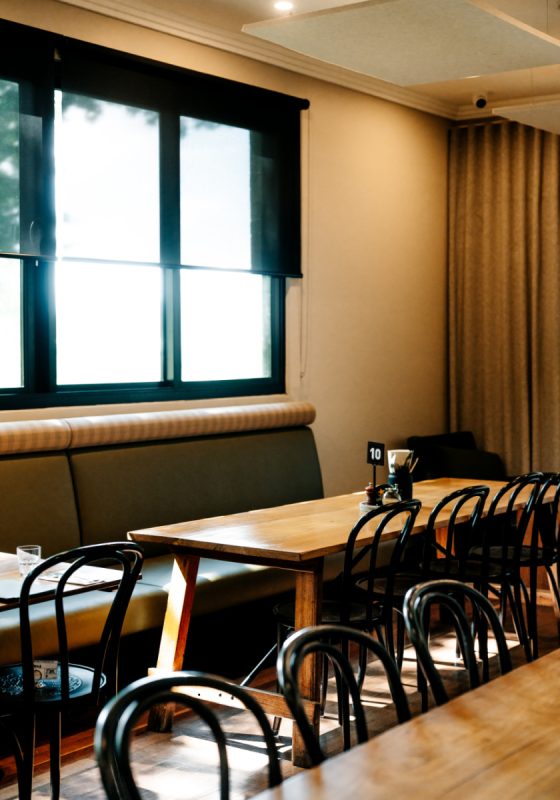
Say hello to Barker Street Social – a brighter, more polished version of the neighbourhood venue locals have known for years, sitting in the heart of Griffith’s leafy shopping precinct at 16 Barker Street.
For Spiro, who bought the business in April 2024 after running the popular Lighthouse Pub in Belconnen, the appeal was always in its suburban heartbeat.
“I wanted something more local, more personal,” he says. “Somewhere you really get to know people.”
But he also knew Gryphons came with history – and with regulars who had been meeting there for years. So rather than sweep in with a dramatic overnight rebrand, Spiro took his time.
“It’s an older demographic and we didn’t want to change it too much too quickly,” he says. “We wanted to ease them in. The name was always going to be the last thing – I didn’t want to upset the apple cart.”
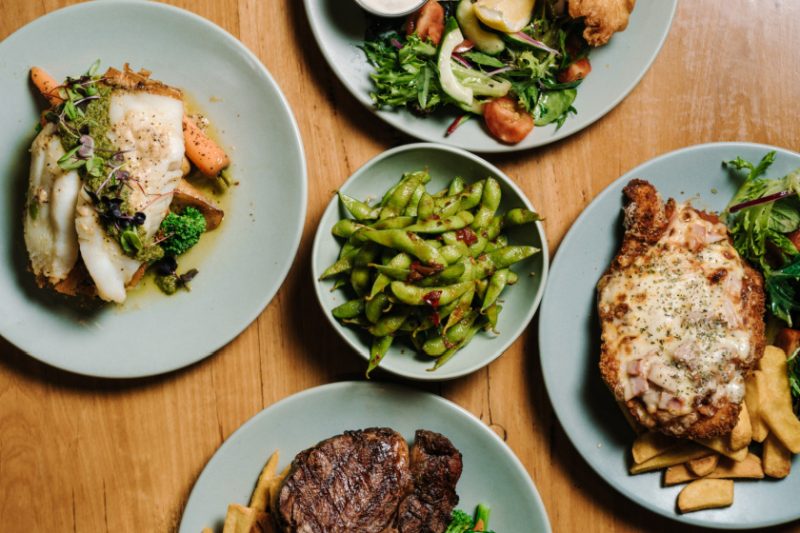
That slow-burn approach has shaped every part of the makeover. The pub favourites are still there, but the menu has been gently elevated, bringing a more upmarket feel while keeping the easy, familiar spirit that made Gryphons a local staple.
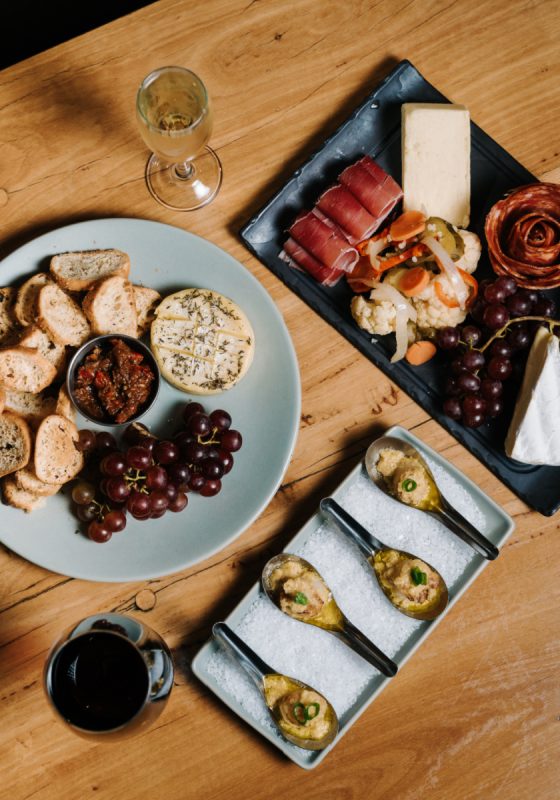
For example, while there is a wide range of pizza, burger and pub faves on the menu (steak and schnitties, we are looking at you), you can also enjoy a Baked Brie marinated with thyme and olive oil and served with chilli jam and baguette crackers. There are Asian Prawn Tacos, Duck Pancakes, Roast Pumpkin Salad, New Zealand scallops with garlic butter, cream and shallots, a charcuterie board, and a separate kids menu (priced at $15).
Pub food but make it elevated
Think the comfort of a neighbourhood local, nudged into something a little more polished: generous plates, better finishes, a considered wine list, some playful cocktails and a venue that can carry you from coffee to dinner without feeling like it has lost its relaxed edge.
There has also been significant investment in the venue itself, part of what Spiro sees as a broader lift for the Griffith shops. Once one of Canberra’s classic suburban shopping strips, the precinct is having a noticeable moment – and Barker Street Social is designed to become one of its drawcards.
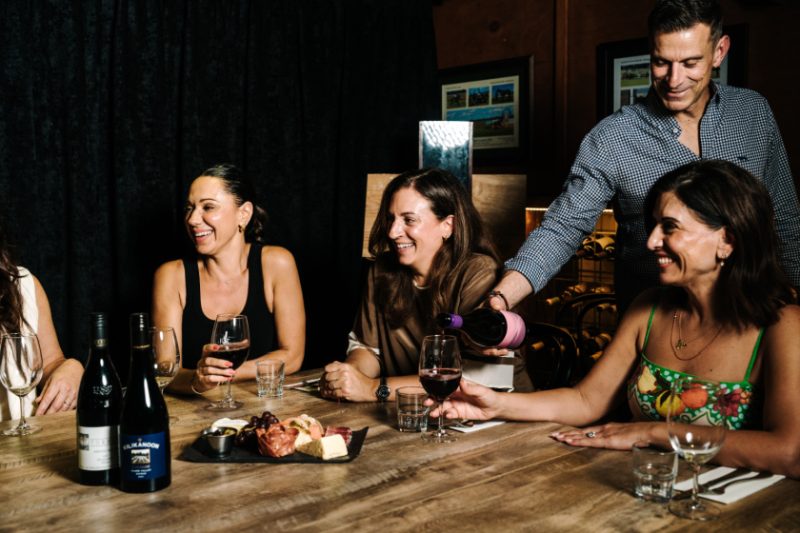
Spiro serving friends in the private wine cellar downstairs
One of the biggest surprises is tucked downstairs – a private wine room and dining room that feels like a hidden little reward for those who know where to find it. The stairs may still hint at the building’s old bones (they are the final, final item on the refresh list), but the room itself has been transformed, with wine barrels, warm wood finishes, a substantial collection and space for private dinners, celebrations and long-table gatherings.
With around 1000 bottles and 45 varieties, it gives the venue a more grown-up edge – somewhere for birthdays, work lunches, intimate dinners or simply a very good excuse to settle in with friends.
For longtime Gryphons loyalists, the old name may stick for a while. Spiro knows that – and in fact, a couple of old-timers reckon they will keep using the old name. But Spiro doesn’t mind. As long as they keep coming for their hot flat whites of a morning and their cold ales of an afternoon and plenty of tasty food in between. After all, the new Barker Street Social has been built carefully around what was already loved, and the new name won’t displace any of that.
THE ESSENTIALS
What: Barker Street Social (formerly Gryphons)
Where: 16 Barker Street, Griffith
When: 8 am to 10.30 pm Tuesday to Friday, 8 am to 3 pm Sunday and Monday
Web: barkerstsocial.com.au
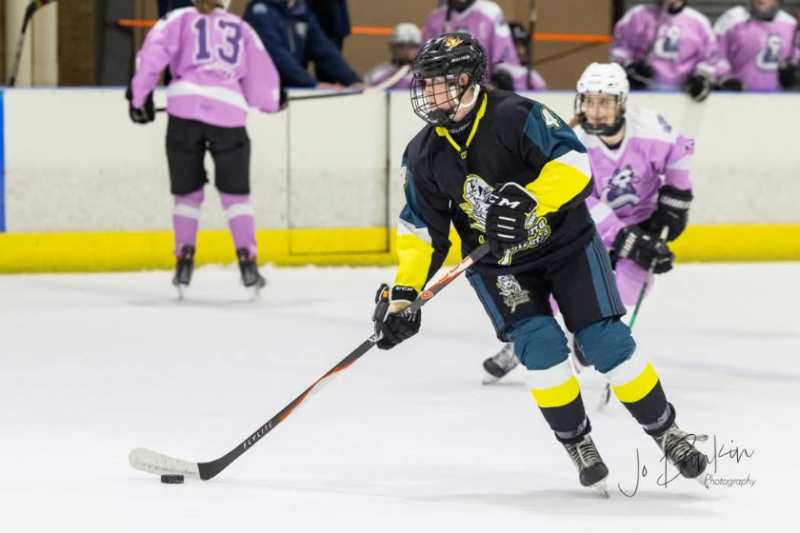
The highest-level women’s ice hockey team in the Canberra region is competing in the grand final this weekend – and it’s happening right here at home.
There’s no denying that ice hockey is having its moment in the cultural zeitgeist this year, with popular TV shows Heated Rivalry and Off Campus seeing a sudden surge in fans attending games around the globe. But while many people know about the male players (it’s no secret that the Canberra Brave have seen a significant jump in female attendance this year), the Canberra Pirates Women’s Ice Hockey team are skating into the spotlight with their own historic Grand Final run.
Canberra Pirates Captain Steph Boxall has been playing hockey since 1982 and has been part of the team for five seasons. She says that while there have been times in women’s hockey when she walked into a rink to find only a handful of people watching, the Semi-Final saw roughly a 400 per cent increase in attendance.
“To now skate out and see full stands, hear people cheering and know that young girls are watching us is really special. You realise that you’re not just playing for yourself anymore,” says Steph.
“You’re part of something bigger, and you’re helping show the next generation that there is a place for women in ice hockey. That support from the stands genuinely gives you another level of energy.”
In fact, visiting coaches and players noted that the Semi-Final was the largest crowd they had ever seen for a women’s hockey game.
Winning the game against Liverpool 3-0 – securing a spot in the Grand Final – for Steph and the Pirates team, the game this weekend represents a major turning point for the club.
“There are incredibly talented women coming through local club hockey, but having a pathway to higher-level competition is essential if you want those players to continue developing,” she explains.
“The Pirates provide an environment where players can test themselves against strong competition, train with experienced players and coaches, and learn what it takes to perform at a higher level. It’s also about creating opportunities.”
“That pathway is really important for the future of women’s hockey in Australia.”
Playing against the Arctic Foxes, the Pirates have the advantage of a home Grand Final. With doors opening at 3 pm, the puck will drop at 4 pm, with a bar and BBQ out the front of the Phillip Swimming and Ice-Skating Centre providing much-needed sustenance to fans. The hope is for the team to end the season the way they’ve been playing – finishing on top with scores like 11-0, 8-0 and 3-0.
“We know we’ve earned our place in the Grand Final, and a home final too, but now everyone starts from zero,” says Steph.
“We need to trust our preparation, stick to our game plan, and play for each other. There’s definitely nervous energy in the locker room, but I think that’s part of what makes playing in a Grand Final so special.”
But no matter who comes out on top when the buzzer sounds, Steph hopes that the Pirates team continues to grow, both on and off the ice.
“Obviously, we want to keep competing for championships, but success is bigger than just winning games. I’d like to see the club continue developing players, creating opportunities for young women and becoming an even stronger pathway into elite hockey,” she says.
“Women’s hockey is in an exciting place right now, and I think we’re only just beginning to see what it can become. Hopefully we can continue to build on that momentum and create a pathway where the next generation of Australian women don’t just can play hockey but can genuinely dream of playing at the highest level.”
Also taking place on Talk Like a Pirate Day, it’s a fitting way for the Pirates to end the ice hockey season. And as the team gears up for their biggest battle yet, Steph says that community support can go a long way.
“The visibility of women’s sport generally has increased enormously, and people are recognising that women’s hockey is fast, physical, competitive and incredibly entertaining to watch,” she says.
“The biggest thing is simply to keep showing up. Come to games, bring your families and friends, support the players and create an atmosphere. Follow the teams, share their results and talk about women’s hockey. The more people who come through the gates, the more sustainable the women’s game becomes.”
THE ESSENTIALS
What: Pirates vs Arctic Foxes Grand Final
When: Saturday 19 September, 4 pm (doors open from 3 pm)
Where: 1 Irving Street, Phillip
Web: revolutionise.com.au/canberrapirates
This ‘How I Got Here’ editorial is a bit different from others that I’ve had the pleasure of writing. This editorial is about my mumma, the one and only Carole Rose.
She’s a force to be reckoned with, a persistent feeder, and a true advocate and backbone of her community in Goulburn, where she raised me and my three sisters.
My mum is the founder, owner, and manager of Roses Cafe in Goulburn (along with my Papa Michael, of course). When they opened their doors over 20 years ago, they were situated across Belmore Park and next to the historic Goulburn Courthouse. They’re currently in Verner Street, in a picturesque old school hall opposite St Peter and Paul’s Cathedral.
My mum is in the shop most days, immaculately dressed, wearing rose gold jewellery and smelling of Chanel No. 5. You’ll find her checking in with customers, getting her steps in on the floor, or behind the counter showcasing her handmade goodies including muffins, salads, lasagne, frittatas and slices.
Growing up watching her build this business, alongside my Dad, I learned what a very strong work ethic and dedication to a career you love looks like.
This is her story of how she got to where she is today, as told by both of us.
Existential crisis time: Who is Carole Rose, what does she do?
My mum is the owner and founder of Roses Cafe in Goulburn. She’s been running it since June 2006 with my dad Michael. Over 30 people work there. Everything is made in-house, and it’s become a must-stop on the road from Canberra to Sydney (if I do say so myself).
But when I asked my mum to describe herself, she said, “I’m someone who loves looking after people. That’s the whole of it, really. That’s always been the whole of it.”
And she does it very well.
For us as kids, when we worked in the family business, it meant making sure customers never touched the front door as we held it open for them, or taking notes to remember the orders of our beloved regulars.
Let’s go back to when Carole was a kid. Did she always dream of working in this industry?
No. My mum didn’t wake up one day dreaming of running a cafe.
‘I had quite a few odd jobs in Sydney where I grew up, and I left school early for a short stint as a hairdresser. I worked at David Jones and waitressed at wedding receptions (that’s where I discovered I had a real gift for making people feel cared for). I worked at restaurants, managed a bar at the Angel Hotel, I eventually worked at the Hilton in Sydney as a hostess in stiletto heels! I knew all our VIP guests names by heart, and they learnt mine.”
Mum says she kept gravitating back to hospitality. Even when she thought she was done with it, she’d find herself doing catering from home, cooking for events, looking after people through food.
Then she met my Dad, a muso from Manly. They fell in love and started a family, and eventually moved to a 28-acre property outside of Goulburn where they thought it would be easier and more affordable to raise my sisters and me.
Tell us about when Carole was first starting out. What set a fire in her belly, and how did she do it?
Asking my Mum about how and when the cafe started, she says it was a slow burn around the time Dad was selling real estate. They sold caramel slices and sweets at markets across the ACT and New South Wales, travelling to Kiama, Hall, Camden, and even Moruya. Some of my fondest childhood memories are waking up in the early hours of the morning with Mum, sitting in the van beside my little sisters, listening to classics on the radio and eating mentos from the servo for brekky.
Mum and Dad also did fundraisers for schools; they’d bake and package thousands of slabs of caramel, Florentine and Mars Bar slices for hundreds of hungry kids and their families.
Mumma Carole and Papa Michael
Mum says it was around this time one of my Dad’s colleagues suggested they open a cafe. Mum wasn’t sold on the idea; she wanted to wait until all four of us girls – Mikaela, me, Alison, and Stephanie – were settled in school.
But once she made the decision, she went all in.
“Opening day in June 2006 was chaotic. Queues out the door, down the street. People came in droves. A couple of staff members actually resigned that week because it was so intense.” Carole remembers.
I had just started Year 7 at Trinity Catholic College, and I remember my Maths teacher Mr Cockburn telling me my parents didn’t need to book in for a parent-teacher interview that year; instead he’d pop down to the shop and use it as an excuse to see my mum and buy some slices.
For anyone who hasn’t been to Roses, everything is made in-house, by hand, with a whole lotta love. My mum was, and still is, motivated by providing people with good food and excellent service, and the incredible feeling you get after a job done well.
To this day she loves to tell us girls, “If you work hard and you love what you do, anything is possible.”
“I’ve always said that hard work beats talent, and I’ve built our business on that principle. Any small business owner would know that it’s a lot of work, but also very rewarding.’
Recall a time when you wanted to chuck it all in. What did you tell yourself when it got too hard?
Mum can recall a few times when she wanted to throw in the towel…
‘Sometimes when there were issues with customers, or staff, or just insanely busy days which were fantastic but overwhelming and exhausting, I did think about shutting up shop. But at the end of the day I still enjoyed the work I was doing, and loved the self-sufficiency of being able to provide for my girls. Although it was long hours, I loved that I could go to an athletics carnival for half an hour, or pop out to see an assembly at the girls’ schools.”
“I would tell myself I would regret not putting my all into this business, and that although trivial to some, we did make a difference in people’s lives by simply being a warm friendly face they saw when they ordered their lunch or morning coffee.’
“Some people think running a cafe is simple, but it’s hard work. You’re managing staff, dealing with suppliers, making sure quality is consistent, handling the business side.”
But if you love it, you find a way through. And she loves it.
Steph (Sammy’s sister), Sammy, and Carole
What was your biggest break?
“Opening the cafe was the turning point for us, and word-of-mouth. We’d have people from all walks of life come to eat our food and enjoy our hospitality.’
What’s the best piece of advice you’ve ever received?
Mum says this to us all the time: ‘Hard work trumps talent, and it helps if you dress well while you’re working hard.’
She says that was something she learned first-hand from her father Ron, who was a tailor back in London and made suits for the Duke of Edinburgh. When they moved to Australia, he owned a successful landscaping business.
What advice would you give your younger self?
My mum says she wishes she’d applied herself more at school, looking at what my sisters and I have done – uni degrees, careers we’ve built. But she also knows her journey has been exactly what it needed to be.
When I ask her what she would tell her younger self, she says, “Your work matters. The way you treat people matters. And hard work, real, genuine hard work, will always get you where you need to go. You don’t need a fancy degree or a perfect plan. You just need to care about what you do and show up every single day ready to do it well.”
Where do you see yourself in five years?
Mumma Carole isn’t stopping anytime soon. At the ripe young age of 72 she plans on working for a little while longer.
As for where she’ll be in five years time, she’s not sure – but she tells me she’d like to stay busy.
For women experiencing domestic violence and coercive control, seeking help can be incredibly difficult. Reaching out often requires immense courage and can sometimes feel overwhelming, or even impossible.
Love It Again Markets, run by Four Girls and a Rack, is a fashion event that aims to offer women more than simply a new wardrobe. Founded by Sarahjane Robertson, Lissa Abbey, Emma Walter, and Sareeta Darrow, Love It Again Markets aim to create a safe, fun and supportive community for the fashion-loving women of Canberra, Queanbeyan, and the surrounding region.
“We want women to come to a place like this, and we want them to be able to make connections,” says Sarahjane.
Running six sessions starting on Sunday 27 September until Sunday 6 December, Love It Again Markets is an opportunity for women to purchase, sell and donate quality pre-loved clothing, with the focus of creating meaningful relationships in a boujee environment.
The co-founders of Four Women and a Rack have experience supporting women affected by domestic violence and can connect them with a range of helpful resources.
Drawing on her background in law enforcement and legal experience, Sarahjane Robertson, alongside her co-founders, hopes to help women feel confident and supported when seeking assistance.
“Some women are so isolated that we want to provide them a nice place to go and have conversations with other women.” Four Women and a Rack are aiming to create a community where difficult conversations can become normalised, leading to ease in gaining help. “We want it to be a safe place for people, where they feel like they belong somewhere!” said Sarahjane.
Affordability and sustainability are key priorities for Four Girls and a Rack, including keeping costs affordable for everyone. For just $65, vendors receive two clothing racks, a stool, a table and insurance, making this an affordable alternative to online reselling, whilst supporting a community created by women for women.
When asked why affordable vendor positions were so important, Sarahjane says, “We want vendors to be able to just turn up, sell their wares and have a good time. We take all the stress out of it. We aren’t like most markets where people need to pay $80 for their own stall insurance.”
Another key aspect that sets these markets apart from the rest is their dedication to sustainability. By exclusively offering only high-quality, slow fashion pieces, the Love It Again Markets provide women an opportunity to expand their wardrobes with staple pieces that will last a lifetime, for a fraction of the price.
Entry to the event is only $2, with all entry fees donated to one of four charities. Each charity has been carefully selected by Sarahjane, Emma, Lissa, and Saretta, because of its personal significance to them.
When you enter the event, you can choose which of the four charities will receive your $2 entry fee: the Working Women’s Centre, Royal Flying Doctor Service, headspace, or Toora Women Inc.
“Attendees can choose where their donation goes, allowing them to support a cause that matters to them” Sarahjane said. As these charities are close to these women’s hearts, they will match dollar for dollar at the first two events, with all funds donated to the four charities.
Clothing donations are another important way the event aims to create positive change. At the end of the day, vendors can utilise the dedicated ‘donation station’ to donate any unsold clothing to Mura Lanyon Youth and Community Centre operated by the YWCA.
Those simply coming to the event can also donate quality clothing at the donation station, regardless of size or gender, as these donations will go directly to families in need at the Community Centre.
The Mura Lanyon Youth and Community Centre plays an important role in providing pathways for community members in the Lanyon Valley to engage in social, cultural, recreational and educational activities.
Whilst these events will be the first of many, Four Women and a Rack are already discussing potential areas of future expansion, with inspiration being drawn from community needs they have identified.
The Love It Again Markets provide an opportunity for all women to shop, sell their clothes, and most importantly, be part of a supportive community. Whether you need support, want to meet other women, or simply enjoy shopping, Love It Again Markets offer a welcoming and inclusive space for all women regardless of their circumstances.
If you are in immediate danger, please call 000. For additional support, contact White Ribbon Australia on 1800RESPECT, the Domestic Violence Crisis Service on 02 62 800 900 and Lifeline Australia on 13 11 14.
THE ESSENTIALS
What: Love It Again Markets When: Saturday 27 September, 8 am – 12 pm Where: Queanbeyan Masonic Hall, 258 Crawford Street, Queanbeyan Web: fourgirlsandarack.com.au