From prison to The National Press Club podium, a speech from Tahlia Isaac on how our criminal system is failing
Posted on
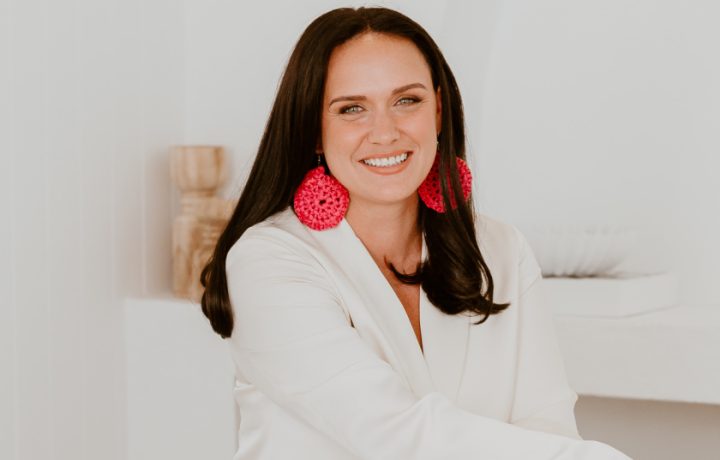
After surviving more than a decade of addiction to ice, three years cycling in and out of prison, and significant experiences of violence, Tahlia has rebuilt her life and is now on a mission to help others.
Tahlia has earned a postgraduate degree in criminology and works full-time in advocacy through her charity, “Project:herSELF”, in which she helps women transition out of prison and into a positive life.
She will deliver a National Press Club Address on March 4 in partnership with Women in Media to mark International Women’s Day, entitled “Australia’s broken social contract, how supporting incarcerated women can reduce crime and create safer communities”.
More broadly, Tahlia is also using her voice to call out systemic failures in the current criminal system – particularly as it pertains to First Nation’s people, and women, and is launching a book on life for woman in prison in Canberra next month.

Young Tahlia
According to the Australian Law Reform Commission, although Aboriginal and Torres Strait Islander adults make up around 2 per cent of the national population, they constitute 27 per cent of the national prison population.
Around 20 in every 1,000 Aboriginal and Torres Strait Islander people are incarcerated. Over-representation is both a persistent and growing problem.
Aboriginal and Torres Strait Islander women constitute 34 per cent of the female prison population. In 2016, the rate of imprisonment of Aboriginal and Torres Strait Islander women was not only higher than that of non-Indigenous women, but was also higher than the rate of imprisonment of non-Indigenous men.
But Tahlia wants the community to understand that these imprisonment rates reflect a complex intersection of gender, poverty, trauma, and criminalisation.
She believes Australia’s current “tough on crime” policies harm not only those imprisoned, but the safety and wellbeing of the entire community.
Data from the Australian Bureau of Statistics shows that nationally the female prison population grew by 64 per cent between 2009 and 2019. This compares with an increase of 45 per cent for the male prison population.
“Australia’s fastest-growing prison population is women. And they’re not ending up there because they’ve become more violent. They’re there because our justice system has confused punishment with safety—and in doing so, has broken the very social contract it’s meant to uphold.
“I know this because I’ve lived it. I’ve shared cells with women in prison. I’ve walked out of those gates and fought to rebuild my life. And now, as a criminologist and founder, I work alongside women in and after prison, and I have seen the damage tough on crime is doing to our community,” Tahlia says..

Prison life inspired her to change and help others
“The social contract is simple: citizens follow the law; the state ensures safety, fairness, and the basic foundations for participation—housing, healthcare, education, opportunity. First Nations peoples lived by these principles long before European philosophers gave it a name. But today, that promise is broken.
But Tahlia said the contract was broken, and criminal policy had become political theatre.
“Women are jailed for driving offences, for poverty-driven crimes, for being misidentified in domestic violence cases. Most have survived violence long before incarceration. Prison deepens trauma, separates mothers from children, and entrenches cycles of disadvantage. In 2023, we spent $2.4 billion locking up people for non-violent, victimless offences—money that could have been building safer communities in real, lasting ways. The number of women on remand has skyrocketed, and the costs of operating prisons is leaving little left for diversionary or rehabilitative alternatives.”
As a woman who is a survivor of horrific violence, Tahlia says she understands the need to feel safe as well as “a burning desire for punishment to the person responsible”.
“The facts are this; punishment didn’t make me safer; it didn’t heal the part of me that he broke, it didn’t even make sure he didn’t do it again. In a time where we grapple with femicide in this nation – now more than ever we must demand our justice system deliver safety to those who have been harmed. A broken social contract means we will never be safe, until governments centre therapeutic responses to offending and reengages with their responsibilities under our social contract.”
She said money needed to be invested in rehabilitation, and to build safety through accountability and opportunity.

Next month, Tahlia launches her first book, She is Me, which looks at the stories of 20 women who have been in prison, the circumstances surrounding their incarceration and the impact it has had on their life.
Tahlia conceived of the idea of a book while she was in prison and did much of the writing behind bars. She read voraciously while behind bars but found almost all perspectives she was reading on the topic of justice and crime were male. She wants to change the narrative.
“This book is for all of us. To be reminded of each other’s humanity, to recognise that sometimes choices aren’t really choices at all, and to start a conversation about who ‘deserves’ justice, what that looks like and how we can demand more. This book is also for women in prison – so they may see the possibilities, feel connected to a story and see themselves in the hope it brings.”
Tahlia hoped her words and the words of others would help bring nuance and context to Australia’s conversation on crime policies.
“Our stories don’t excuse harm, but maybe they help you to understand women in prison a bit better. I hope you come away seeing it’s not always personal failure that gets women in prison, it’s systems, institutions and a broken social contract that bears that burden.”
Tahlia Isaac will address the National Press Club for an International Women’s Day lunch on March 4. Tickets are open to the public.
THE ESSENTIALS
What: National Press Club Address lunch with Tahlia Isaac
Where: National Press Club, 16 National Circuit Barton
When: Wednesday March 4 12 pm – 2 pm
Web: npc.org.au