Getting the most out of your building designer
Posted on
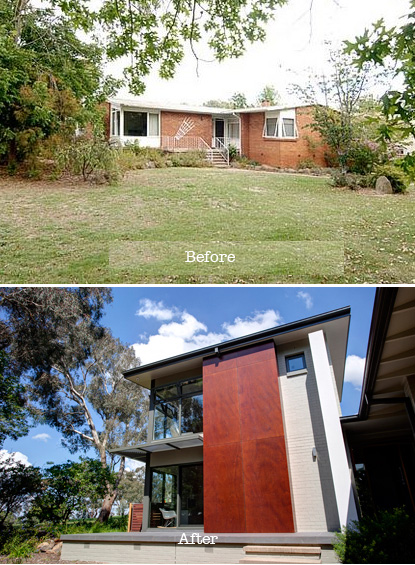 My name is Amanda and I am suffering from renovation fatigue. We first picked up our paintbrushes in 2004 and are now entering our ninth year of home improvements. It’s just as well our money has completely run out because I’m Over. It.
In nearly a decade of work across two homes, we’ve dealt with innumerable construction issues, worked with several builders and encountered any number of tradies. I now speak fluent builder…but it’s an art.
Our latest piece of work – an upwards extension which built the space the HerCanberra office calls home (that’s it in the pic) – was our biggest project yet…but it was also the least painful. This was thanks to having a great building designer and construction company on board who were both focussed on delivering a great result on time and on budget.
I’ve heard some absolute nightmare stories from friends lately, and it prompted me to ask our building designer, Adam Hobill, to share his tips for working with your building designer or architect to get the result you want. This is what he had to say.
10 key tips to get the most out of your building designer.
1) Do your research and choose carefully. You’re about to spend a lot of money on one of the single most expensive things you will do. Take time to research a few practices; many will have websites highlighting some of their previous work. Look for consistencies with the style of building you would like to build; you’re not likely to get the best results by engaging someone who is unfamiliar to the ideas you have. You wouldn’t appoint Frank Gehry to design a federation cottage!
2) Be prepared. You’ll need to think about the primary functions you need to address and your priorities for the project. The better you can convey these ideas the better. Consider preparing a simple scrapbook of photos that have caught your eye. Visual examples are always much clearer ways to communicate than just relying on terms like “contemporary” which can mean many things to different people.
3) Don’t be over prepared. A scrapbook is a great visual aid to develop a brief around, but a short novel detailing each room with everything from paint colour to power point type and location is probably too much! Make sure you leave scope for design exploration and resolution; if you already have the building designed in your head and you’re not willing to consider design input then you may not need a designer after all. A draftsperson might be a better bet.
4) Be on the same page. It’s not always easy but it is important that you and your partner deliver a consistent message. It is very difficult to design to a brief when there are in fact two conflicting briefs. Whilst a good relationship with your designer will encourage robust discussion and resolution of your brief you will not get the best result if you are sending mixed messages.
5) You don’t need to solve the problems. Don’t think that you need to solve the problems. Your “help” may actually be hindering the design process if your solutions are seen as preferences, especially if you are particularly enthusiastic about your contributions.
6) Quality trumps quantity. I’m just going to come out and say it; if you want the biggest possible home for your budget then you might be wasting your money engaging a design professional. Think carefully about the spaces you need to ensure they suit your lifestyle. Where possible invest in high quality spaces rather than high quantities of space, these are specialties of experienced designers.
7) Allow scope for innovation. The person you have engaged is a professional problem solver. Don’t quash the potential of a unique and innovative design solution on the basis of it being different; do you want a custom design or just another house?
8) Be realistic about your budget. Your designer should be able to give you an idea about whether or not your brief and budget are in the same ballpark. If you do need a reality check then the sooner you adjust the better.
9) Stay true to your brief; not your family and friends preferences! It can be very useful to bounce ideas off those close to you but be careful how strongly they influence you; after all it is your house and if you are comfortable with the single vanity in the ensuite that your sister-in-law insists “absolutely must be a double vanity” then ask yourself again, who’s house it is! Concentrate on creating a design that is a reflection of yourself, rather than something that will appeal to the masses.
10)Ask about builders. Use your designer’s knowledge of the building industry to help find suitable builders. With a finger on the pulse they should be able to help you identify the right kind of builders for your project.
If you’d like to know more, you can visit Adam’s website or send him an email at adam@adamhobilldesign.com.au.


Leave a Reply