How therapy for one person transforms everyone around them: A Canberra psychologist explains

Posted on
The ripple effect of mental health support extends far beyond the therapy room.
Making the decision to book an appointment with a psychologist can feel overwhelming. Between coordinating schedules, managing costs, and overcoming that nagging voice that says, “maybe I should just handle this myself,” it’s a common occurrence for Canberra women to put their own mental health on the back burner while ensuring everyone else in the family is okay.
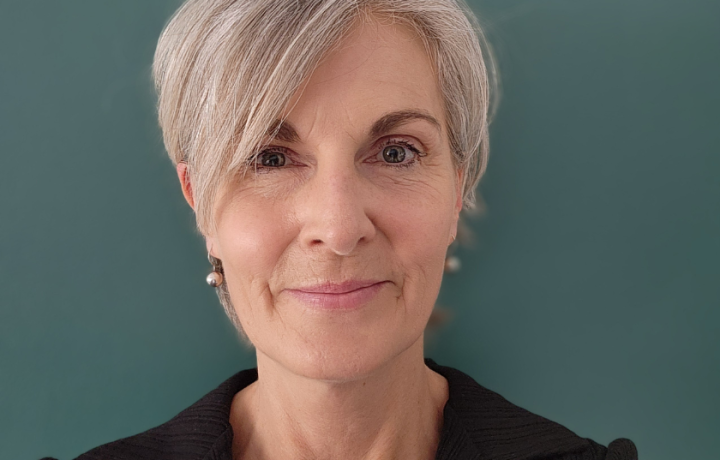
But according to local therapist Jaimee Forster, that first appointment – whether it’s for you, your partner, or your child – has a positive effect that extends far beyond the therapy room.
In fact, Jaimee, Executive and Clinical Psychologist at Zed3 Medical Group in Bruce, says that treating one person’s anxiety or depression can improve family dynamics, parenting, and partnerships in ways you might not expect.
She calls it the ‘Ripple Effect’ – and she wants more people to know about it.
What is the Ripple Effect?
“It’s something people don’t realise until they go to therapy, or they have a family member or friend go; it permits other people in their life to do the same,” Jaimee explains.
“Although attitudes are improving, there can still be shame about seeing someone. But the ripple effect is that the more people we know who do it, the more likely we are to do it ourselves. That flows on and on.”
For many Canberra women juggling careers, family responsibilities, and the isolation that can come with relocation to the capital, being the one to seek help first can feel like admitting defeat. But Jaimee sees it differently: it’s actually an act of courage that can transform an entire family system.
Working predominantly with children experiencing mental distress, Jaimee has noticed throughout her years as a registered Clinical Psychologist that many parents benefit from their children’s sessions in unexpected ways.
“I love seeing the power that having a child in the therapy room has on their parents and the rest of their family,” she says.
“Parents might realise they also need help regulating their own emotions or discover that they might also be neurodivergent. Many will book in to see a therapist themselves to understand their patterns better and break unhelpful cycles.”
Interestingly, the ripple flows both ways; from child to parent, as well as parent to child.
Breaking the stigma
Today’s children are often more emotionally literate than their parents were at the same age. Schools across Canberra now teach kids about emotions, feelings, and their impact on their bodies from a young age.
“Kids are learning this language early, and that has a ripple effect in the other direction, positively impacting their parents,” Jaimee notes.
“If we want to break that generational loop and that stigma around mental health, I think the ripple effect is how we do it.”
She says that this creates a beautiful cycle: parents who bring their children to therapy often find themselves learning alongside them, while children who see their parents prioritising mental health grow up knowing it’s normal and healthy to seek support.
The ripple effect doesn’t just benefit parents and children. Romantic partners can also notice the benefits when one person seeks support, whether it’s for a mental health diagnosis or simply to have space to process life’s challenges.
“A lot of the time, one partner seeing the other put in the effort normalises it, and they see the benefit it has. They might think, ‘Maybe I can benefit too,'” Jaimee explains.
This is particularly powerful when it comes to men in the family, who statistically are less likely to seek mental health support. When a partner or child attends therapy and experiences positive changes, it can open the door for fathers, husbands, and male family members to consider their own wellbeing.
“It doesn’t have to be because you have a severe mental illness,” Jaimee emphasises.
“Relationships and life are hard in general. You can see a psychologist because there’s something in particular you need support with, or just to process life’s changes.”

The wider impact
Jaimee believes the benefits of therapy spread outward, changing dynamics for everyone involved both directly and indirectly. Sessions can open communication, improve overall mood, and increase life satisfaction for the whole family system.
“It’s really important because it spreads permission to help-seek,” she says. “It opens people’s eyes to talk more about shared experiences.”
This ripple extends even into communities where mental health support is discussed less frequently. Zed3 specialises in the treatment of veterans and first responders, populations where the stigma around seeking help can be particularly strong. When one person in these tight-knit communities takes the step to prioritise their mental health, it can create permission for others to do the same.
Starting your Ripple
Of course, knowing that therapy can help and actually booking that first appointment are two different things. Jaimee acknowledges the real barriers that prevent people from seeking support.
With financial costs causing significant concern for many families as well as stigma and accessibility providing challenges for those seeking support, there are many ways that Zed3 team work to overcome these barriers.
From working with clients to navigating Medicare rebates and payment options, to offering both in-person sessions and telehealth appointments for those who need flexibility around work, childcare, or location, Jaimee says there is always an option available.
And while stigma remains a roadblock, she believes this is where the ripple effect becomes so powerful.
“Each person who seeks help normalises it for those around them, gradually shifting the culture,” she says.
“The beauty of the ripple effect is that it doesn’t require a crisis to begin. It starts with one person making the decision that their mental health matters, that their family’s wellbeing is worth investing in, and that seeking support is a sign of strength, not weakness.”
“Rippling outwards from the person attending therapy, family and personal relationships can strengthen as sessions help improve their overall wellbeing.”
And for the Canberra women who so often carry the mental load of their family’s health and happiness, starting your own ripple might be the most powerful gift you can give – not just to yourself, but to everyone you love.
Zed3 Medical Group offers in-person psychology services from their specialist centre in Bruce, as well as telehealth psychology across Australia. They also provide psychiatric assessments and infusion therapy, with particular expertise in supporting veterans and first responders. New client appointments are available.
For more information or to book an appointment, visit zed3.com.au