Three Mills Bakery’s cookbook is here!
Posted on
Three Mills Bakery wants Canberrans to discover the joy of sourdough bread – both freshly baked, and old and stale.
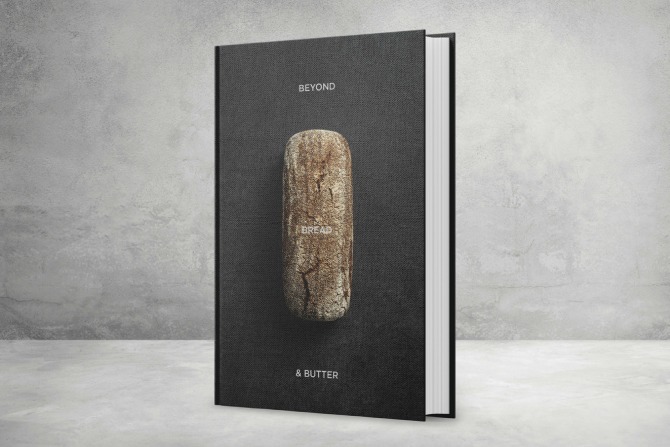
After a successful Kickstarter campaign, Three Mills Bakery’s first publication—Beyond Bread and Butter—is here, just in time for Christmas
But this is no ordinary cookbook—instead of making recipes from scratch, it showcases ways of using old bread beyond just freezing it for toast.
Callum Johnston from Three Mills Bakery—who wrote and coordinated the production of the book in collaboration with Three Mills chefs and bakers—says the idea came about because he noticed the amount of food waste, not only in the food industry but also in people’s homes.
“People will buy a loaf of bread and then approximately 45 per cent of it gets thrown in the bin,” says Callum.
“And with sourdough, that’s not great because it takes us two days to make a loaf of sourdough. There’s a lot of love and care that goes into it.
“There’s so much rubbish bread out there, and we just want to share a love for good real bread that uses sustainable ingredients and is healthy.”
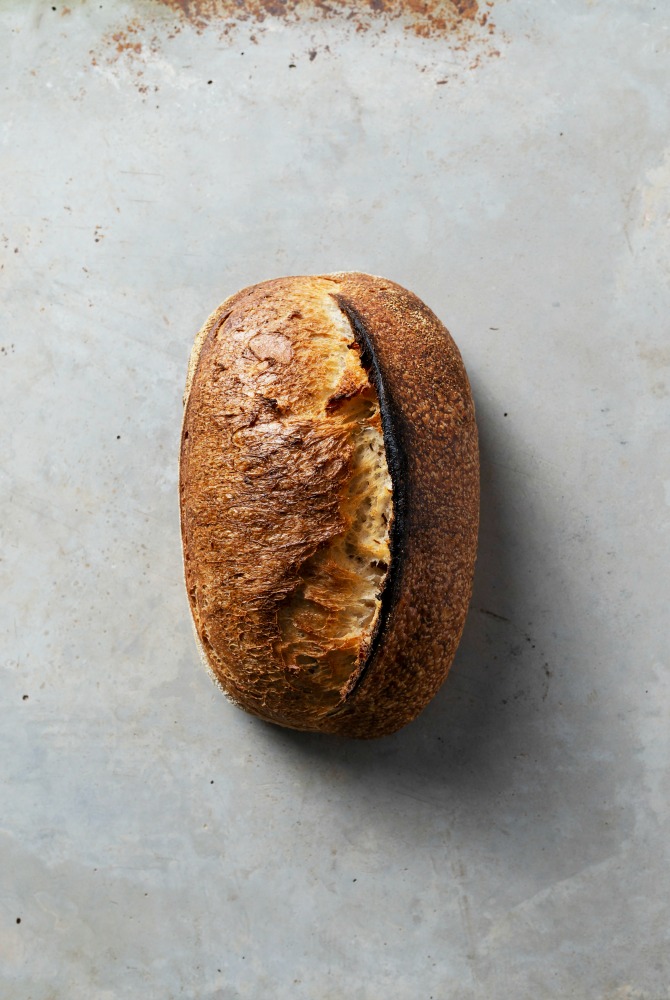
The cookbook is a tribute to the history and craft of “this ancient, beautiful bread,” and is divided into three parts. The first covers “how to make bread at home, and what to look for when you’re buying nice artisanal sourdough.”
The second delves into how to use fresh bread as accompaniments to soups and platters, “because nothing is better than bread straight out of the oven.”
The third section, which Callum is “most excited about,” is the heart of the cookbook, with almost 100 recipes on how to make bread, as well as how to use fresh and old bread.
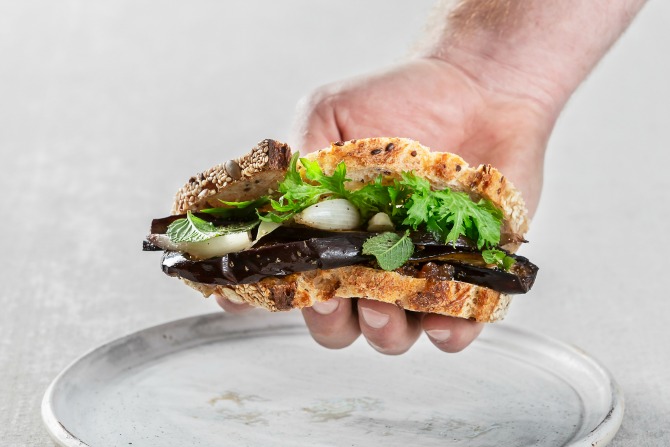
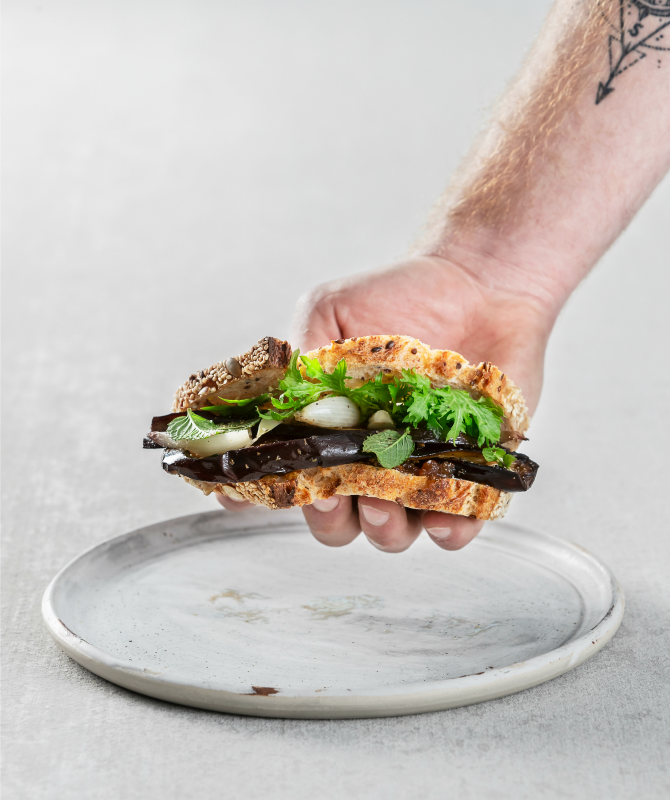
But it’s not just sandwich and breadcrumb recipes – although there’s also plenty of those. (Mouth-watering charred eggplant, mozzarella, onion and ginger jam, and mustard leaf on ancient grain, anyone? Or how about cured salmon, radishes and pickles on dark rye smørrebrød?)
Using old bread, you can whip up dark rye sourdough ice cream (yep, you read that right). Or maybe you fancy charred octopus with sourdough skordalia – Greek potato and garlic dip, but using black garlic? Perhaps beef and dark rye pie?
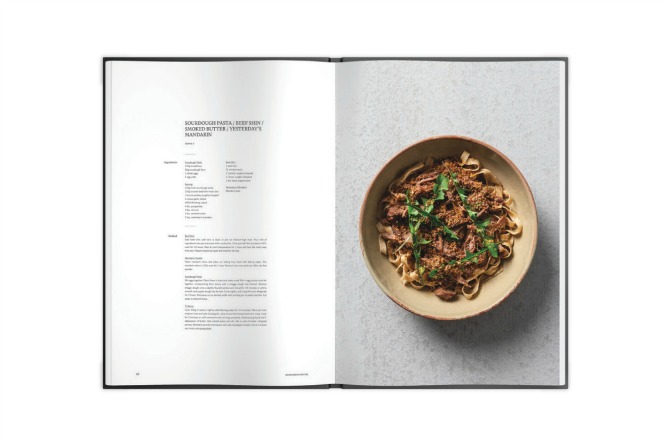
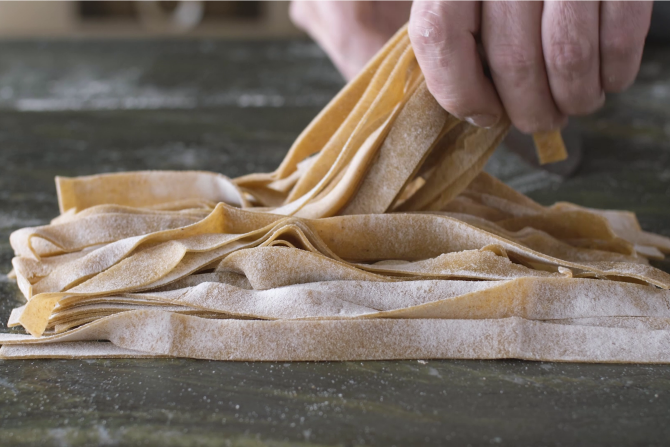
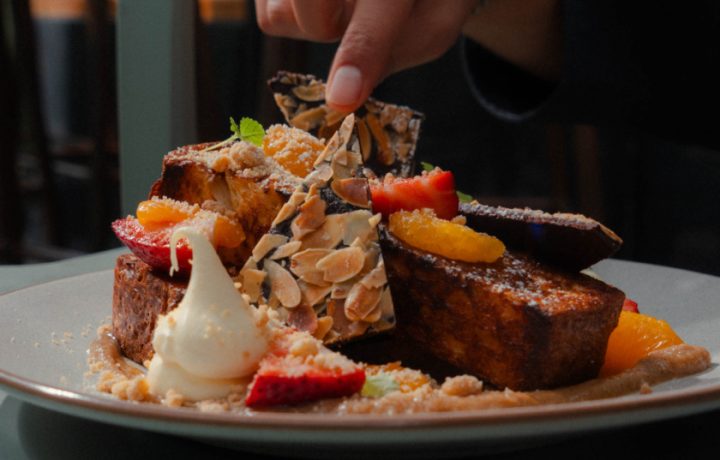
Bread crumbs and sourdough flour can be turned into sourdough pasta with braised beef shin, smoked butter and “yesterday’s mandarin peel.” Or if you’re after something sweet, try apple and butterscotch sourdough crumble, or bread tart.
Sourdough starters can have a second start at life (see what we did there?) as sourdough chocolate macarons, hot-cross buns, pizza or granola. And even those with dietary restrictions haven’t been forgotten. There are recipes for gluten-free sourdough bread, brownies and cookies.
The possibilities are endless, according to Three Mills. One of Callum’s favourite recipes is the dark rye sourdough ice cream, with Marsanne braised quince, smoked walnut and burnt butter.
He said while he detects “herbal notes with bread-y vibes,” for one of his friends the ice-cream reminds him of “cookies and cream ice cream but without the chocolate.”
“So either I’m off, or he’s off,” he said, laughing.
Fried monkfish in sourdough batter with preserved lemon and caper mayo is “next level.”
“The sourdough adds complexity of flavour due to the fermentation that you don’t really get with normal bread, so you get those really lovely caramelised notes.”
But even if you follow the recipes exactly, there will still be variations in flavour – and that’s a good thing.
“My favourite thing about sourdough is that no one sourdough starter is the same, so you can have three loaves of sourdough from three different starters, and they’ll all taste different,” says Callum.
“To make sourdough bread it’s literally just flour, salt, water, starter, and you can have the exact same flour, but if you change the starter, you’ll get a completely different taste from the wild yeast that’s in the air.”
For anyone who’s keen to learn the ancient art of baking bread, Callum says making sourdough forces people to slow down and take their time, because the process can’t be rushed.
“It’s a two-day process, where you have to let it prove for eight to twelve hours in a fridge just to allow it to develop its gluten and to expand and to get all those nice bubbles from the carbon dioxide. That’s why it is slightly more expensive than Wonder White.”
“But I think anyone can make good bread. You’ve just got to slow down, take your time with it, and enjoy the process.”
You can grab your copy of Beyond Bread and Butter here.
Photography: Adam McGrath

Leave a Reply