She’s on the trails: how to keep the niggles away
Posted on
Welcome to another installment of She’s on the trails—picture us sitting on the couch (barefoot), chatting about running on Canberra’s beautiful trails.
If you have contemplated starting trail running, then this is the series for you. Establishing a new routine is exciting, however it’s also intimidating (for some). We want to take the stress away and get you started on the right path. Injury free.
The pandemic motivated many of us to lace up and hit the trails. As a community, we were given very few other movement options due to restrictions—but how many of you have adhered to that routine? Ahhem…
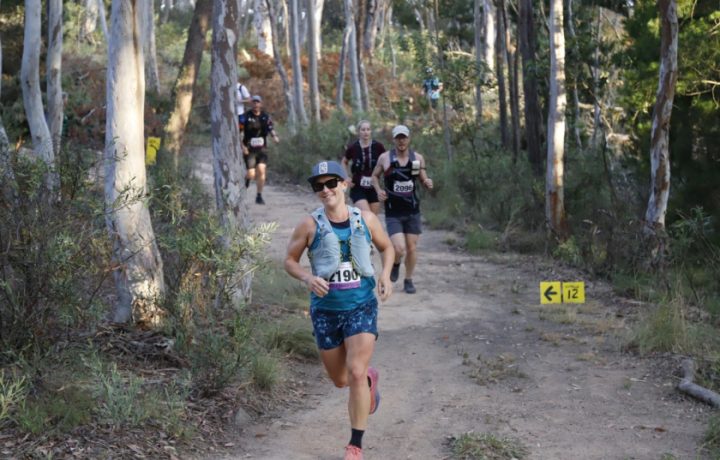
This series was inspired by the outstanding number of female participants in a local trail running event at Kowen Forrest in mid-January. More females participated than males!
Overall, when it comes to trail running events, female participation has grown from 13% in 1997 to 46% in 2022 *. But if we’re going to keep you on the trails, you need to stay injury free. If you missed Part 1 last week, here’s the link, where we delve into some hacks to keep the niggles away and enjoying the process.
Here are some more simple hacks:
1) Be consistent with your progressive overload.
Each week I am going to focus on the importance of consistency. Seems apt😉
Consistency is the powerhouse hack for not only functional improvement, but personal enjoyment. As a trail running beginner, progressive overload is the key to consistency. In general and simple terms: you want to increase the time, resistance or intensity within ten per cent (or less) each week. Personally, I think “or” is the important factor. This method allows for gradual adaptation and minimises the risk of injury.
Let’s keep it simple. For example—you start week one with a 500m jog, and 500m walk. The following week you would do a 550m jog, and 450m walk. You don’t want to add both distance and intensity at once. That is, you’re still doing 1km total, but with a little added intensity. You are new to the sport. Be patient.
I always suggest for you to seek a program from a exercise professional/running coach. Who’s your favourite running coach in Canberra?
2) The coffee/brunch date post run.
No more words are needed. Make your weekend training an event—that way you keep coming back! Egg and bacon roll anyone? Coffee? If you can’t afford a coffee, then start budgeting.
3) Add hip mobility to your conditioning
Do you schedule specific conditioning for your hips? Ladies—our hip strength and mobility are imperative for staying injury free! Personally, I can’t run more than three days a week, or I’ll get injured or burnout. Here’s a beginners hip mobility program I like to follow (print the PDF here).
4) Hip and leg strength
It’s called prehab. Prevent the injuries, ladies!
Here’s a simple trail running strength workout to keep your hips and legs happy and strong (print the PDF here). I’d recommend scheduling this program two or three times a week, and not when you’re increasing your kms (remember our progressive overload tip). Next week we’ll explore strengthening the ankles while on the rocky trails.
5) Fantastic footwear
I’ve been running all my life and have never owned specific trail running shoes. Recently, I bought a pair of Hoka’s from the Athletes Foot, and my foot strike technique and lower limb recovery has noticeably improved (probably helps that I’m no longer strapped to a pram too!). I still completely suck down hills, but these new shoes help me grip better. I’m much more stable, which helps my body recover and prevents falls. I hear the Runners Shop in Woden are trail running fanatics too. What type of shoe you do prefer?
So, there are my hacks for this week. Simplicity and consistency work for me.
In part three of She’s on the trails we are chatting to a podiatrist, talking hydration tips and your favourite trail snack to keep the energy constant, and gut happy.
Love, Kirra
Capital Hydrotherapy and Exercise Physiology is open for one-on-one Hydrotherapy, Aquatic Physiotherapy (and land-based Physio), land-based Exercise Physiology, small group therapy, Hydrolates™ classes (Aquatic Pilates) with strict COVID-safe precautions.
If you are injured, have a chronic health condition, or need a plan to improve your health and wellbeing—call us today 6156 2223!
- * Stats and data came from The State of Trail Running 2022 report.