Renting, buying or somewhere in between? A young person’s guide to navigating housing in Canberra

Posted on
Looking for somewhere to live in Canberra can feel overwhelming – whether you’re moving out of home for the first time, finishing study, starting a new job, trying to secure a rental, or working out whether buying could one day be possible.
Properties can be in high demand, costs can add up quickly, and the process can feel confusing if you’ve never done it before. There are also tools, support services and pathways that can help make things feel a little more manageable.
Through Homes for CBR, the ACT Government is providing easy to access information on housing choice and access for Canberrans at different stages of life, including young people entering the housing market for the first time.
From setting up rental alerts to understanding leases, mortgage calculators and student accommodation, here are some practical things young Canberrans should know.
Start with the apps
If you’re searching for a rental property, websites and apps like Allhomes, realestate.com.au and Zango are still the main places listings appear first. Setting up saved searches with realistic price ranges and preferred suburbs can help you stay on top of new listings as they appear.
If you’re looking for a room in a share house rather than an entire property, Facebook groups, Gumtree and Flatmates are often useful places to look too.
When searching, think beyond just the weekly rent. Things like public transport access, parking, storage and commute times can make a big difference to day-to-day life – especially if you’re sharing with other people.
Before inspections even begin
One of the most useful things renters can do is prepare their application before attending inspections.
Most agents now use online application portals, and setting up your profile early – including ID, references and supporting documents – can save a lot of stress later when you find a place you want.
A simple list of “must-haves” and “nice-to-haves” can be helpful before you go to inspections. If you only have a few minutes to walk through a property alongside dozens of other people, it becomes much easier to quickly assess whether somewhere genuinely suits your needs.
And don’t just look at the obvious things. Check storage, ventilation and signs of mould or damp, particularly in bathrooms, corners and ceilings.
Check out this information about what you should know before renting, including what landlords can and can’t include in rental advertisements, along with rules around fees and charges.
Before you sign anything
If your application is accepted, take time to properly read your lease before signing.
The ACT Government’s information on starting a tenancy covers things like bond payments, condition reports and what happens at the beginning of a lease in plain language, while The Renting Book is a handy downloadable resource that explains bonds, rent in advance, inspections and rent increases in plain English, and helps tenants, landlords and agents in the ACT understand their rights and responsibilities so everyone can rent safely, fairly and confidently.
For young people aged 15 to 25 who are struggling with housing costs, the ACT Government may also be able to assist with housing advice and bond support.
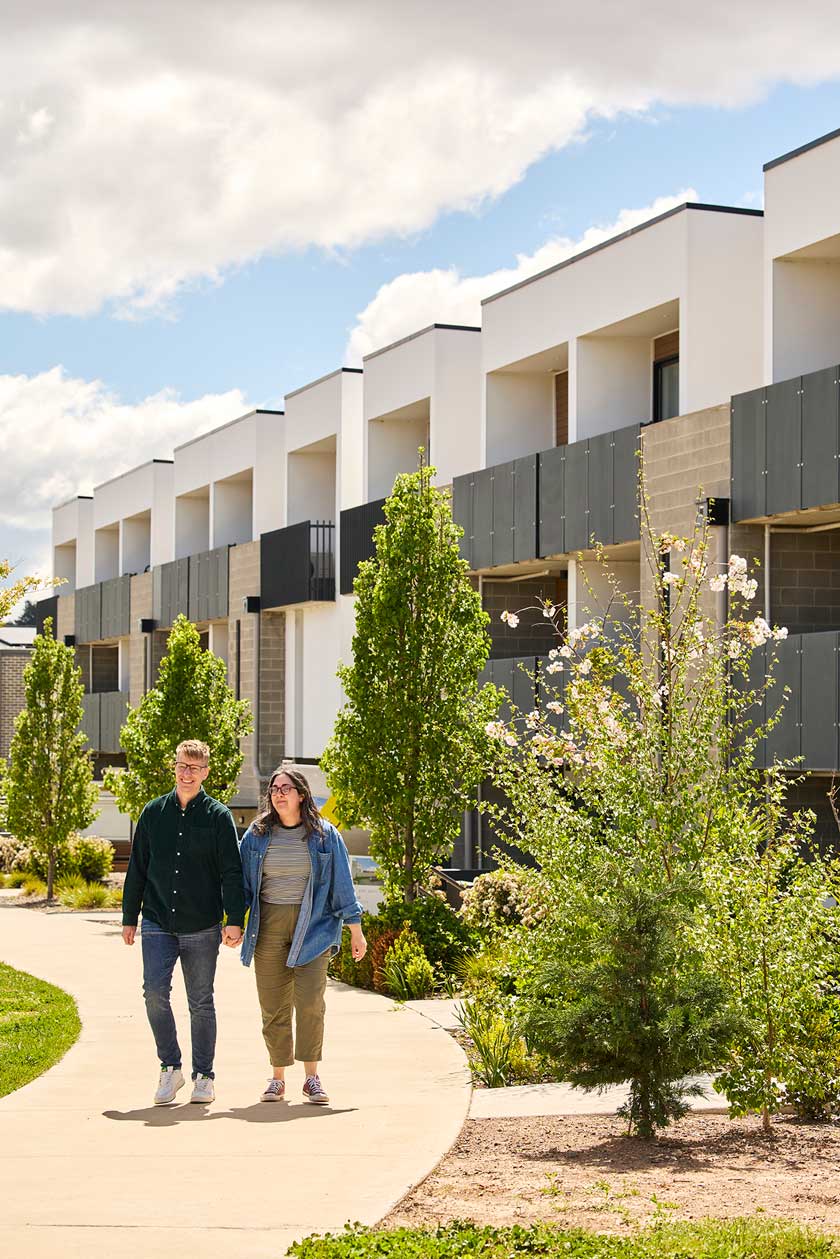
Image: Lightbulb Studio
Thinking about buying?
For many young people, buying a home can feel more like a long-term goal than something immediate – but understanding the process early can still be helpful.
A good starting point is simply working out what might realistically be affordable.
Online mortgage calculators, like the MoneySmart calculator, can help estimate repayments based on different property prices, deposit amounts and interest rates. Some people also choose to “stress test” possible repayments to understand how changes in interest rates could affect their budget over time.
Before seriously looking at properties, many buyers seek pre-approval from a bank or lender. This gives a clearer idea of borrowing capacity and can make the process move more quickly if you decide to make an offer.
It’s not just about the property price
When looking at homes, it’s important to think about the costs beyond the listing price.
Apartments and townhouses, for example, may also come with strata fees or other ongoing costs. Buyers also need to budget for expenses like conveyancing, building inspections and stamp duty.
The ACT Government provides support for some eligible buyers, including stamp duty concessions and affordable home ownership schemes for first home and low-to-moderate income households.
And while it can be tempting to focus on finding the “perfect” first home, many buyers start with something that suits their needs now – then reassess later as their circumstances change.
Not every housing pathway looks the same
For students or young people moving out of home for the first time, there are also alternatives beyond the traditional rental market.
Many universities offer student accommodation either on campus or nearby, often with furnished rooms and utilities included. Private student accommodation is also available in some areas, though costs can vary.
Others choose to rent privately or move into share housing, which can sometimes offer more flexibility or affordability depending on circumstances.
The important thing is understanding the options available and giving yourself time to explore what works best for your budget, lifestyle and stage of life.
Whether you’re looking for your first rental, exploring student accommodation or thinking about future home ownership, Homes for CBR brings together information on housing options, support services and pathways available across the ACT.
Visit act.gov.au/homes to learn more.
Feature image: Lightbulb Studio