Eat Well Wednesday: Five ‘superfoods’ you should be eating that aren’t a gimmick or a fad
Posted on
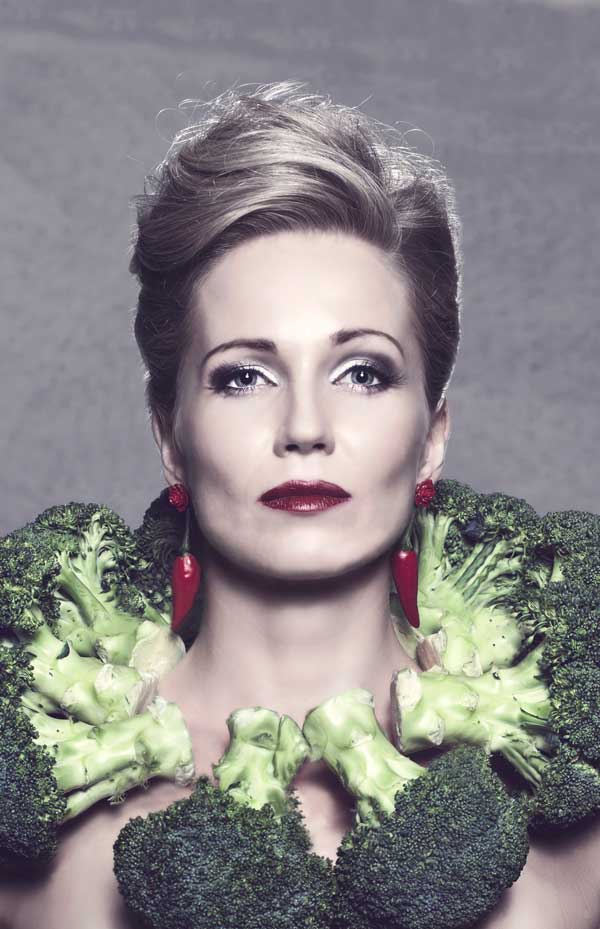
Broccoli – also good to eat. Styling: Tegan McAuley, Founder Hustle&Scout; Adam Noble and Tegan Geal, Next Hair.
Model: Carryn Jack, Haus Models, Photographer: Leighton Hutchinson, Makeup Artist: Angelina Broso.
‘Superfoods’ are getting a bit of a buzz at the moment. What are they? Well, according to the source-that-knows-all (Wikipedia), a ‘superfood’ is “a nutrient-rich food considered to be especially beneficial for health and well-being.’ But it’s not all kale and goji berries (although they’re certainly included) – we’re talking every day ‘superfoods’ that pack a big punch when it comes to health benefits… Here are five you can find in your local shop.
Green vegetables
Broccoli and kale get the most attention in this group, but other green leafy vegetables such as Brussels sprouts and spinach are also worth a mention.
Broccoli, in particular, contains a significant amount of vitamin C, vitamin K, folate and beta carotene (converted to vitamin A by the body). All of these vitamins are essential for health and should be consumed daily. Broccoli is also a great source of dietary fibre and contains a substance called sulphoraphane which has anti-cancer properties.
Vitamin C helps keep immune systems functioning well, is vital for good collagen formation in the skin and also helps the body absorb iron from food, among other things. 100g of broccoli contains well over 100% of your daily vitamin C needs. No need to pop a pill. Vitamin K helps with healthy blood clotting and strong bone formation. Vitamin A is an important part of good eye health. And folate is necessary for cell division which occurs rapidly during phases of growth
Rolled oats
Oats are a great source of low glycemic index (GI) carbohydrate. A low GI means they are absorbed slowly by the digestive system, not raising your blood sugar levels too quickly. This makes them a perfect breakfast food by filling you up and ensuring you have the energy to concentrate and keep the munchies at bay in between meals.
Oats are also a great source of soluble fibre. This has been shown to reduce cholesterol levels in adults, but is an important part of good bowel and digestive health, helping keep you regular and reducing your risk of constipation.
They are also good sources of iron and zinc.
Berries
The berry family contains lots of antioxidant and vitamin rich fruits such as blueberries, raspberries, strawberries, cranberries, incaberries, acai berries and goji berries.
The great thing about berries in particular is their high antioxidant content and very low sugar content. This makes them great low kilojoule snacks that offer maximum amounts of nutrition.
Antioxidants protect the body from damage against free radicals, which cause some cancers.
Natural yoghurt
Yoghurt offers lots of essential nutrients; calcium, potassium, magnesium, phosphorous and vitamin B12.
An adequate calcium intake is essential to maintain strong bones and teeth, especially in children. Good bone acquisition during childhood and adolescence decreases your risk of osteoporosis in late adulthood. Children and teenagers need up to 1300mg of calcium per day. Yoghurt is a fantastic source of calcium with 150g offering up to 50% of a child’s daily calcium needs.
The other way natural yoghurt reaches superfood status is due to the presence of friendly bacteria. These bacteria populate the gastrointestinal tract and help keep the balance of good and bad bacteria in check making you less prone to illness and infection.
When purchasing yoghurt, check the ingredients list for the addition of friendly cultures such as lactobacillus acidophilus. The less ingredients in the list the better. Avoid yoghurt which have excessive amounts of added sugar, artificial sweeteners, thickeners and other additives. The more natural the better.
Salmon
Salmon, in particular atlantic salmon, is a very rich source of the essential omega 3 fatty acids. The role and health benefits of omega 3 are extremely diverse within the body. omega 3 is essential for healthy brain development and growth of the central nervous system as well as having a positive effect on inflammation and the cardiovascular system.
Not only does salmon contain high amounts of healthy fats, it’s also a great source of many vitamins and minerals including most of the B vitamins, vitamin A, vitamins C, selenium, iron, zinc, magnesium and phosphorous.
Aim to have about 2 serves of salmon or other fatty fish (tuna, sardines, mackerel) a week.
Meal and snack ideas:
- Cut broccoli in little florets and dip in hummus or natural yoghurt. Or wear it around your neck like our model, Caryn. Perhaps not.
- Kale chips – rip up kale into chip sized pieces, spray with extra virgin olive oil, sprinkle lightly with salt and bake in a hot oven for about 10 minutes or until crispy.
- Juice up oranges, pineapple and baby spinach to make ‘green juice’ or a green smoothie. Drink it straight away or freeze into ice blocks in summer.
- Porridge is a great breakfast. Sweeten it with pureed frozen or fresh berries and honey.
- Oats are also great as toasted or un-toasted muesli. Serve it with yoghurt and freshly chopped banana or strawberries.
- Oats are also a great addition to occasional treats such as muffins, biscuits and slices.
- Frozen berries are great pureed and added to porridge, breakfast cereal, smoothies, yoghurt or as a dessert topping.
- Blueberries, strawberries and raspberries are all great to snack on between meals.
- Dried goji, acai, cranberries and blueberries are great sprinkled on top of breakfast cereals, added to muffins or muesli slices or eaten on their own as a snack. Make sure you buy dried fruit that contains no added sugar.
- Natural yoghurt sweetened with fresh or frozen fruit is a great alternative to ice cream for dessert.
- Serve natural yoghurt with muesli or fruit salad for breakfast.
- Natural yoghurt is great used as a dip for vegetable sticks, flavour with garlic and chives.
- Make curries and soups creamier by adding a dollop of natural yoghurt.
- A small bowl of natural yoghurt, sweetened with honey, is a quick, easy snack.
- Mix 1 small tin of flavoured salmon with 1/2 cup of wholewheat couscous for a quick, tasty meal when you’re super busy.
- Tinned salmon is great on sandwiches and in wraps.
- Panfried salmon cut into bit sized portions is great dipped into natural yoghurt mixed with a small amount of wholegrain mustard and lemon juice.
- Try adding tinned or fresh salmon to pasta dishes or pasta bakes.
- Make a dessert of fresh berries and a small dollop of whipped cream
- Add kale to curries, stir fries and soups
- Add baby spinach to wraps, sandwiches and salads
- Sauté broccoli with olive oil and garlic and then toss with feta and almond slivers.
- Add broccoli to frittatas and quiches
- Sauté Brussels sprouts with garlic and pines nuts and then toss with fresh parsley and avocado.
If you need specialist help with your nutrition make an appointment with one of our practitioners. We’re the experts at individualised nutrition advice thats simple, practical and easy to apply straight away.


Leave a Reply