A Matter Of Taste: Martin and Susie Beaver
Posted on
What if your career depended entirely on your taste? Whether it’s their tastebuds or taste in fashion, Laura Peppas uncovers Canberrans with jobs that revolve around their palates in the first of a four-part series.
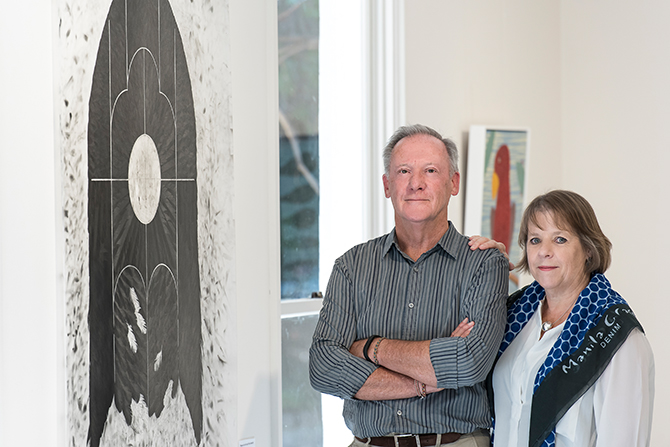
In an industry that is largely subjective, Martin Beaver believes art is all about making a connection.
“Some clients will look at one piece of art and feel nothing, and then they’ll have a real connection with another,” he says.
“Kids are actually fantastic with art—they take away something from it that you’d never thought of before, because they’re not inhibited about what they see.”
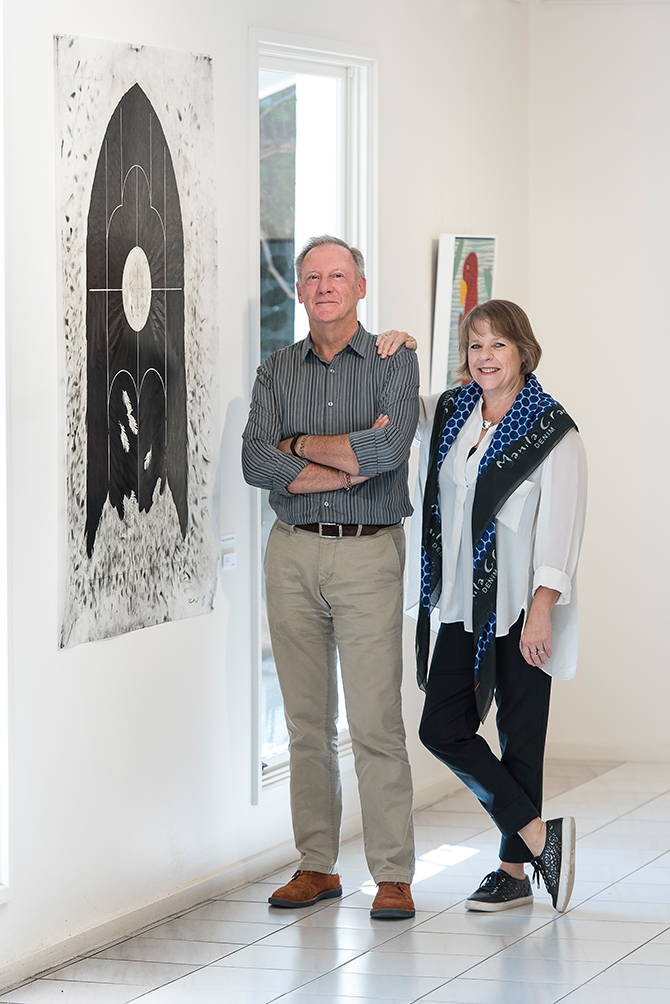
As directors of Deakin art gallery, Beaver Galleries, it’s a vital part of Martin and Susie Beaver’s job to have their finger on the pulse of the art world.
“The worst thing in the world you can do as an artist is to be static, and I do believe that’s true for Susie and I too,” says Martin.
Yet he is also adamant there’s a fine line between evolving and becoming a slave to trends: “You don’t want to become a faddist—that’s something we try and steer clear of.”
Since taking over the gallery in 1992, the husband and wife duo have showed work from hundreds of artists hailing from all around the country, in a variety of mediums including paintings, prints and drawings, sculpture, glass, ceramics and jewellery, and stage about 20 shows a year.
Beaver Galleries was originally established in 1975 by Martin’s parents, Ron and Betty Beaver, in the back of a suburban house in the inner south, moving to custom-built premises in Deakin 10 years later. It is now one of the oldest, and largest, commercial art galleries in Australia.
Finding new artists while maintaining relationships with existing artists is an integral part of the job for Martin and Susie, who met at a pub in London.
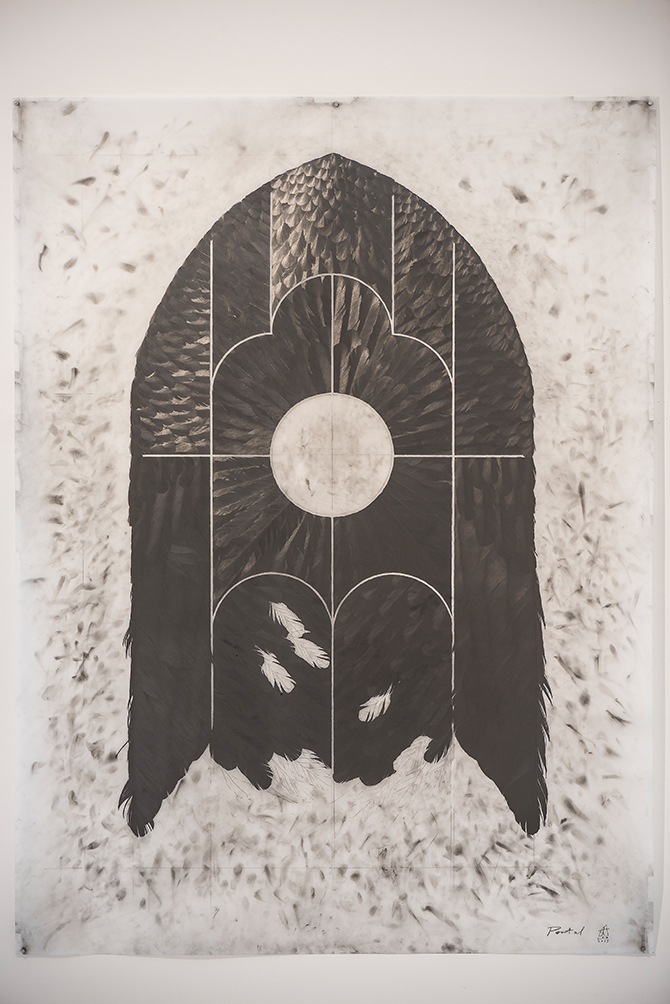
“It’s more than just hanging a painting on a wall—you really build a relationship with each artist,” Martin says.
“You might find somebody whose work you like, but you’ve also got to like the person and their attitude to the work. Then it becomes a partnership between the artist and the gallery, so a big part of our job is building relationships too. And then hopefully you’re bringing the clients along with you too, changing their tastes and expectations.”
He recalls one artist who he tracked down after seeing her paintings in an artist-run space in Hobart, eventually finding her working in a pub in Salamanca. “All that I knew was that she worked in a pub in that area so I worked my way through them all until I found her, and we’ve been showing her since,” Martin says.
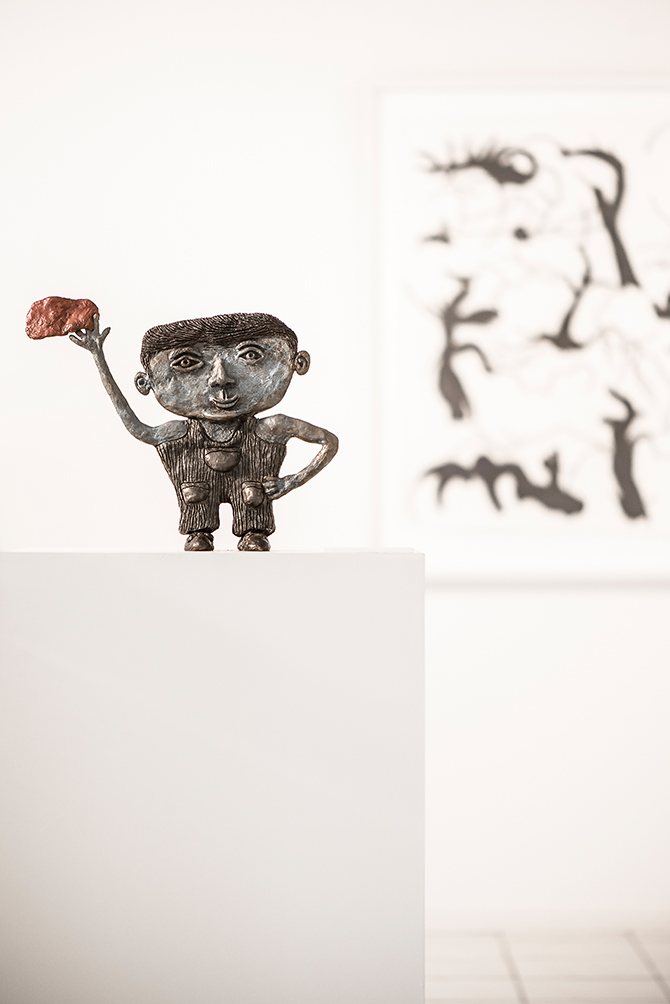
“The interesting thing about galleries is you’re always treading a fine line between consistency and change. New artists are always emerging and creating new things.
“What I think a lot of people don’t know about commercial galleries is that you tend to work with a stable of artists, a regular group so you’re not just hanging work, you’re actually representing the artist because they’re changing, and their work is developing. We encourage them and enjoy watching them change and develop, they grow with the gallery.
“It’s taking artists to art fairs, pushing them to institutional collections—there’s a whole lot of things that go into representing artists because you’re trying to move their career.”
When I ask if selling a piece is a bit like giving away one of his children, Martin instead describes the experience as very satisfying.
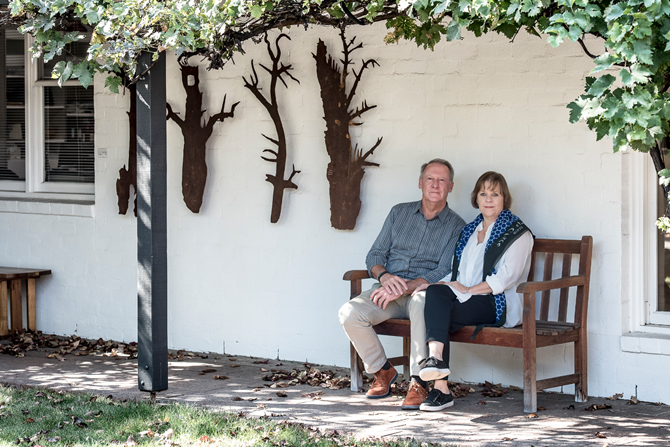
“It’s always nice to see one of our pieces go to a good home, because that person has made their own connection with it,” he says.
Martin and Susie now split their time between running the gallery and travelling interstate to art fairs and shows. It’s very much a labour of love, with the pair running the business full-time, employing two staff, and investing large amounts of money into the business—implementing state-of- the-art lighting, for example—to keep it running.
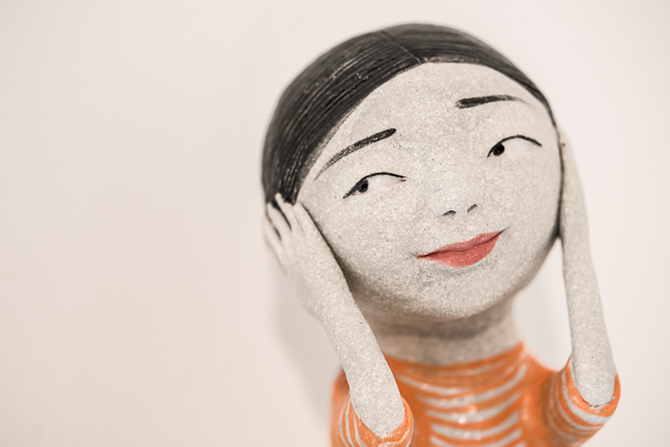
“The reality is that you’re always thinking ahead in this job,” he says.
“We’re a funny community in the art gallery world, we’re always busy doing things and we don’t get to talk to each other as much as we would like. But it is important to see what others are doing and this helps when you get the chance to sit back and really appreciate what you’ve done.”
Photography: Tim Bean Photography
This article originally appeared as part of our A Matter Of Taste article in Magazine: Taste for Winter 2018. Find out more about Magazine here.
Love Magazine? You can support its production by becoming a patron, which gives you access to exclusive rewards. Find out more on our Patreon page. 
Leave a Reply