Breastfeeding: Why it might not be what you expected
Posted on
 Throughout your first pregnancy journey, you’re constantly bombarded with information on everything from the way your body will change to pain relief options on the big day. So when it comes to breastfeeding, it’s no different.
You’ve no doubt seen the Hollywood types with their perfectly styled social media photos telling anyone who’ll listen how amazing and effortless it is, but sometimes you want to hear from the real people what those first few months will really be like.
Friends and family may be little help, sometimes more focused on negative experiences and what could go wrong instead of helpful advice. Hearing stories of cracked and bleeding nipples…it’s little wonder so many first time mums are anxious about what’s to come when breastfeeding. Our dear friend ‘Dr Google’ is little help, leading us to blogs and forums riddled with stories of tortured nipples, mastitis and extreme pain but offering little advice on overcoming those same issues.
But nightmares aside, breastfeeding can be a beautiful, bonding experience for any mother and it’s a shame so many first time mothers are terrified of it. Knowing what to expect in those first few weeks and months may help ease your mind…
Don’t be afraid to ask questions
When you first attempt breastfeeding, the mild panic you feel when your baby won’t latch is not uncommon. Those first few feeds are just as important for skin-to-skin contact and bonding with your baby as they are for nutrition, so even if you don’t think you’re getting it right, don’t despair.
If you continue to struggle and are worried about your baby, don’t be afraid to ask for help. You won’t be the first to ask even the strangest questions and definitely won’t be the last.
It takes a long time
Breastfeeding takes time. A lot of time. Sometimes it can take over an hour per feed when your baby is very young. The good news is that it does get faster as your baby gets older. As their general strength increases, your baby will be able to suck harder and take in the food they need in a shorter amount of time.
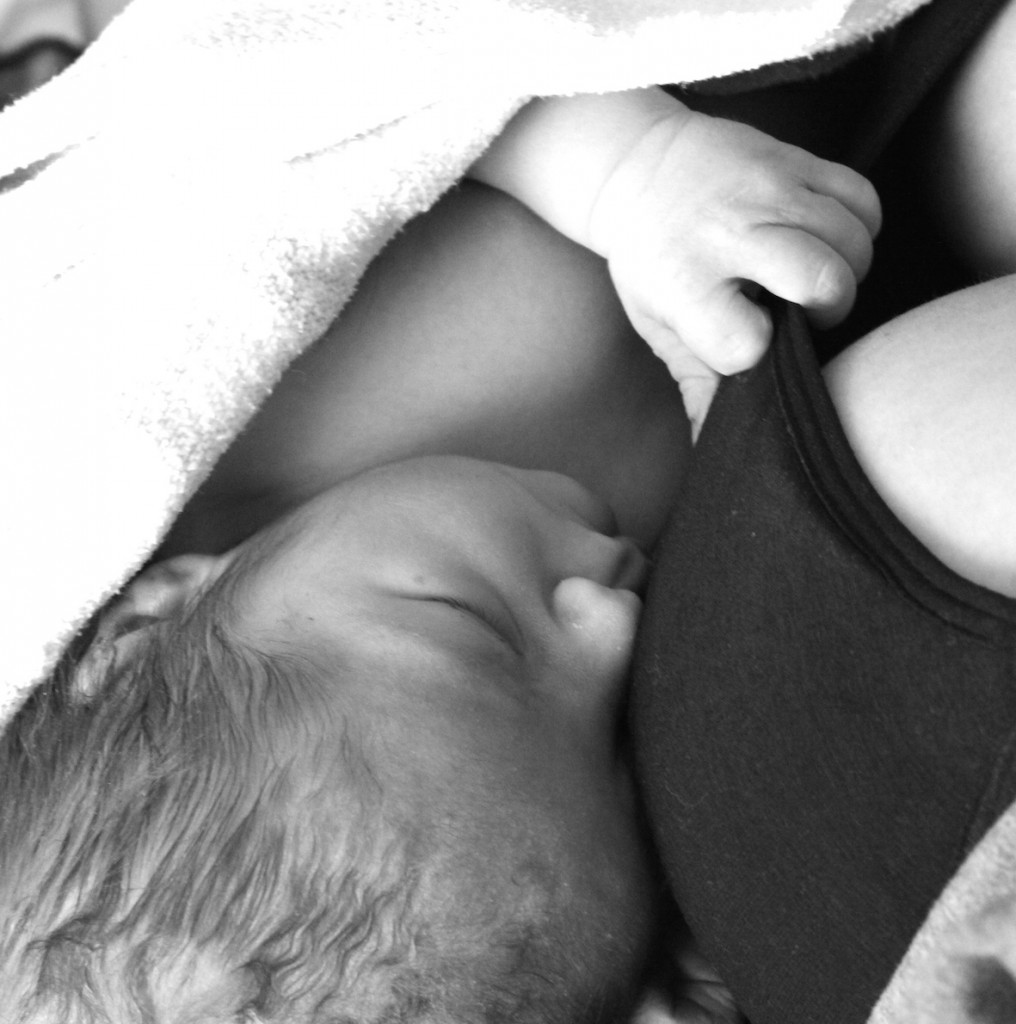
Some babies are fussy (and nothing you can do will change them)
Some babies, not all, will make feeding a frustrating, excessively long process. They might scream and cry, scratch you with their tiny nails, refuse to feed only to cry out in hunger and generally make your job harder than you ever anticipated.
As distressing as this can be, sometimes there is no reason for it other than personality. Patience and perseverance are good starting points for managing your sanity but if you are worried, contact your local early childhood health clinic or your doctor for advice.
Expect to be bitten (teeth or no teeth)
As babies grow, so do their needs and one way to vent their frustration if they feel those needs are not being met, is through biting, yanking or generally abusing your nipples. You can take solace in the fact that you’re probably not the only mum going through it, so talk to friends or women in your mothers group and ask if they have any tips for overcoming a pesky ‘biter’.
Not everyone will love breastfeeding
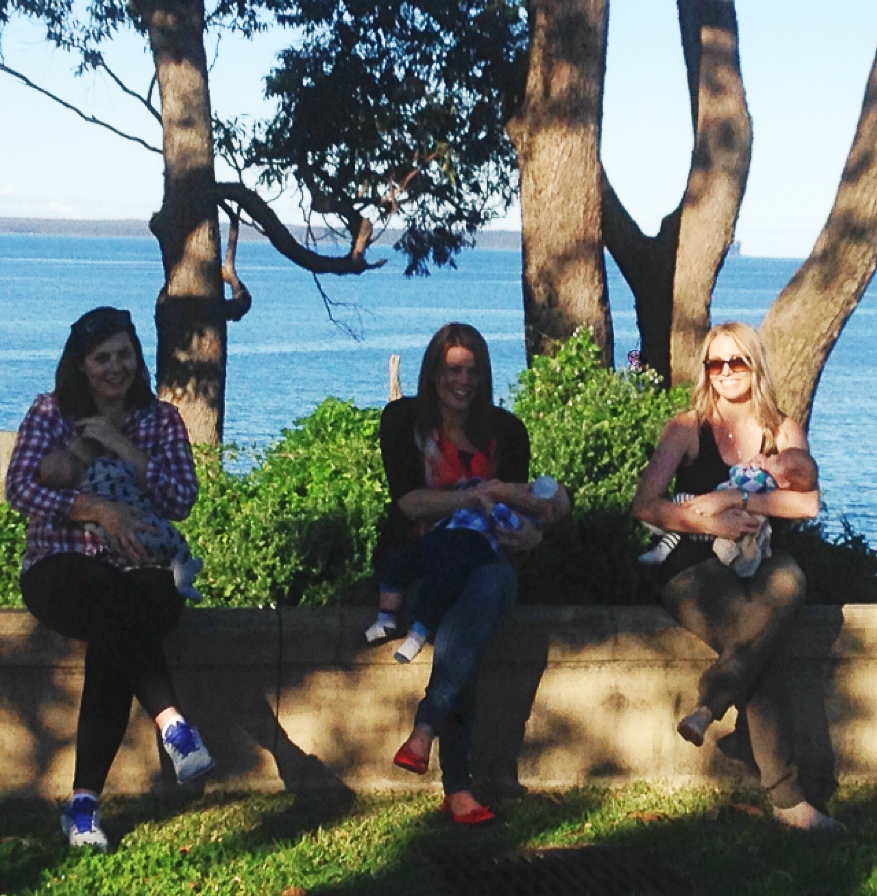
Not everyone will love or even enjoy breastfeeding. All women are different and this is often forgotten with new mums who are expected to look, act and feel a certain way. Just because your best friend enjoyed breastfeeding and adamantly claimed it as her favourite part of motherhood doesn’t mean you will too. It’s important to focus on what is best for both yourself and your baby without worrying about whether your choices are different from those around you.
If you’re looking for further advice or help in relation to breastfeeding, you can contact your local early childhood health clinic (contact details and list of clinics available online at ACT Health), the Australian Breastfeeding Association, the Lactation Support Service at Calvary Bruce Private Hospital, or your doctor for more information. And don’t forget to check out our posts on services for first time parents here and here.
Feature image of breast feeding courtesy of Shutterstock.


Leave a Reply