Sports Drinks and Your Health
Posted on
You’ve just finished an epic game of touch football, you’re sweaty, tired and absolutely parched.
You whip out a 600ml bottle of sports drink to re-hydrate. It’s red, your favourite flavour. You smash it down, feeling like the hydration is going straight to your inner-most cells. Ahhhhh. What a game. The feeling of a good win, the endorphin rush of sprinting up and down the oval for the past hour and the comradery of friendship and being an awesome team player. High fives all round.
What if I told you, that your red flavoured sports drink is actually not the best thing to drink after exercise?
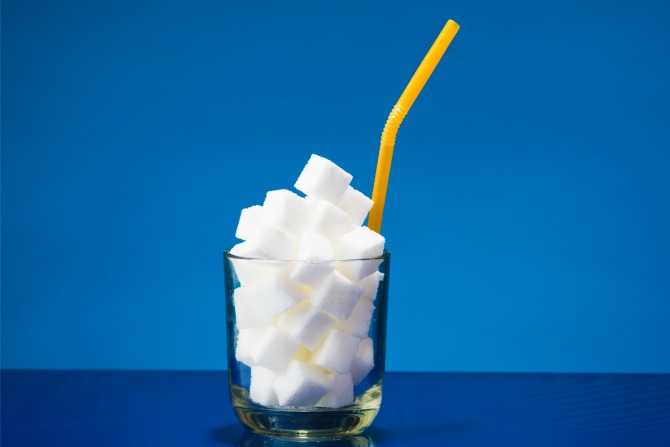
What if I told you, that a 600ml bottle of sports drink contains almost 10 tsp of sugar? What if I told you, that your sports drink was equivalent to drinking 450ml of soft drink or other sugary drink? Would you still drink it?
What’s the deal with sugary drinks?
Sugary drinks are the target of the Live Lighter campaign by The Heart Foundation, which aims to bring awareness of how an excessive sugar intake, especially from sugary drinks, leads to weight gain and the storage of toxic fat around our internal organs.
The important message around sugar intake is to think about where in your diet it’s coming from and be mindful of your total intake.
Sugar in itself is not toxic, but when consumed via mediums like soft drink, fruit juice and sports drinks, it’s easily over consumed and essentially ‘floods’ your system with excess sugars.
Unless you’re exercising at athlete levels, which most of us are not, our bodies just don’t need this high amount of sugar. Long term, a high consumption of sugar can be rather damaging to our health.
I don’t drink that many sugary drinks, what effect do they have on my health?
The best place to start, when it comes to reducing your total intake of sugar, is by taking stock of your drinks. It’s easy for us to remember that food contains energy, but we can forget that most drinks contain energy too and that these drinks can quickly add up.
Overall, consume too much energy than your body needs and we’ll put on weight over time. It’s this excess weight, particularly stored around our tummy that can lead to poor health.
The Live Lighter campaign has a great little calculator on their website to help you understand the sugar content of some popular high sugar beverages and what effect they potentially have your weight.
Let me show you how quickly sugary drinks add up.
Let’s take a 30 year old, 60kg woman. She drinks five sugary drinks per week:
- 1 bottle of soft drink whilst out at dinner with friends on Monday night
- 1 sports drinks after touch footy on a Tuesday night
- 1 iced tea at work when she was feeling tired and lethargic on Wednesday afternoon
- 1 glass of fruit juice with her bacon and eggs on Saturday morning
- 1 iced coffee with her Sunday breakfast out at a local café
This sugary drink consumption contributes 65 teaspoons of sugar to her week adding an extra 5000kJ of energy.
If this was continued over the long term she may put on up to 6kg over a year. The amount of exercise required to burn this extra energy off each week is equivalent to 2 hours and 12 minutes of running or 4.5 hours of HOUSEWORK! Eeeep!
Why are sugary drinks unhealthy?
Sugary drinks have low nutrient density. This means that although they supply our body with energy (in the form of sugar), they contain very little nutrition.
The best way to describe nutrient density is to compare a soft drink with a piece of fruit.
When you compare 250ml of soft drink to 1 apple, you’ll see that they contain the same amount of sugar (about 5-6 tsp), yet vastly different amounts of nutrients. The soft drink contains sugar and not much else.
The apple contains sugar but also offers 4-5 g of dietary fibre, 75% of your daily vitamin C needs plus hundreds of other health promoting chemicals and minerals!
The apple is highly nutrient dense, takes longer to eat and due to the presence of fibre takes longer to breakdown and digest. The apple is definitely the healthier choice.
When it comes to good nutrition, you want to build your diet out of nutrient dense foods, rather than ones that contain energy but offer your body very little in the way of fibre, vitamins and minerals. Removing the regular consumption of sugary drinks is the perfect place to start.
But sports drinks contain electrolytes, aren’t they important?
So they do, I’m glad you brought that up.
The main selling point of sports drinks is that they contain electrolytes, lost by the body during sweating, to help you re-hydrate. Now this statement is partly true. You do lose electrolytes while you sweat.
These electrolytes are sodium and potassium. These two electrolytes are abundant in the body and involved in vast number of chemical reactions and metabolic pathways. They are also bountiful in the food supply. Unless you’re running an ultra-ultra-marathon and can’t eat, your regular diet and drinks of plain water are more than enough to replenish any electrolytes lost during exercise.
You don’t need the ones in a sports drinks to re-hydrate. Water will do the job just fine.
What’s the best way to re-fuel/re-hydrate after exercise?
When it comes re-hydrating and re-fuelling after exercise your next meal or snack, plus a good drink of fresh tap water is the best.
Your post-exercise snack could include:
- Whole fruit – apple, banana, orange, mango
- A handful of nuts
- A fruit based smoothie with milk and yoghurt
- A wholegrain sandwich with salad and chicken or tuna
- A tub of yoghurt with a sprinkle of muesli
- Feta cheese on wholegrain crackers with tomato
The electrolytes (sodium & potassium) naturally present in all foods will be enough to replenish any that you lost during a sweaty exercise session. The ones present in sports drinks aren’t extra special and are mostly unnecessary.
You’ll also hydrate perfectly fine with eating healthily and drinking plain water. The general recommendation is to drink approximately 1 L of water for every hour of exercise you do.
This may need to be more if it’s a hot day or you sweat excessively. It’s also important to continue to drink water regularly through out the day. Keeping a drink bottle handy across the day is a good way to achieve this.
You can find out more about the Heart Foundation’s Live Lighter campaign, as well as handy tools to help you keep track of sugary drinks, on their website.
This is a sponsored post but opinions are the author’s own. Read our Sponsored Post Policy if you would like more information.
Image of ‘Glass full of sugar cubes‘ via Shutterstock.


Leave a Reply