Rare Disease Day: Two Canberra families share their journey to diagnosis

Posted on
Today marks Rare Disease Day, an annual observance to raise awareness for over 300 million people worldwide living with a rare disease.
For four-year-old Sage and 22-year-old Chloe P, it’s much more than a date on the calendar.
Just over a year ago, Sage became the first person in Australia diagnosed with an ultra-rare neurodevelopmental syndrome caused by a spontaneous mutation on her 17th chromosome. Since 2017, Chloe has been diagnosed with multiple rare and complex conditions, including vascular compression syndromes and primary immunodeficiency.
Here, we speak with Sage’s mother, Lauren Geatches – Founder and Chair of BPTF Families and an Australian rare disease advocate – and Chloe about their diagnosis journeys and why Rare Disease Day matters.
Chloe P
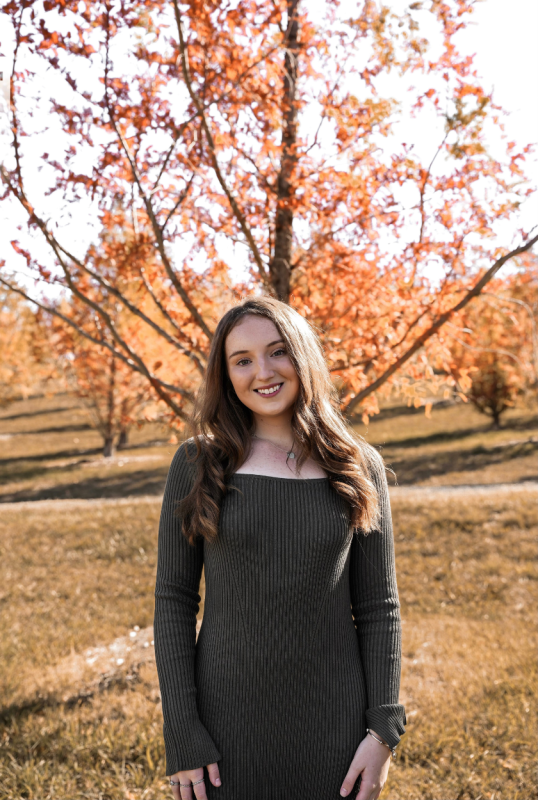
What is your diagnosis story? What were your symptoms and when did they first start?
My symptoms began when I was 14 after a severe case of glandular fever. The fatigue never went away, and I developed recurrent respiratory infections, chronic sinusitis, and significant joint and back pain.
Before this, I was very active – playing Oztag, netball and dancing several times a week. It felt like that life was taken away almost overnight.
After years of tests and appointments that showed nothing abnormal, I was diagnosed with chronic fatigue syndrome. A few years later, my long-term GP investigated my immune function and I was eventually diagnosed with primary immunodeficiency – specific antibody deficiency – at 19. Around the same time, a cardiologist diagnosed Postural Orthostatic Tachycardia Syndrome (POTS).
In 2024, I developed severe back and abdominal pain, loss of appetite, rapid weight loss and worsening fatigue. After months of scans and specialist visits, I was diagnosed in August 2025 with three vascular compression syndromes: superior mesenteric artery syndrome, median arcuate ligament syndrome and nutcracker syndrome.
In February 2026, I was also diagnosed with May-Thurner syndrome and pelvic congestion syndrome. I live with hypermobile Ehlers-Danlos syndrome as well, which is closely linked to the compression disorders and POTS.
How did you feel once you knew once you had an answer to what was causing your symptoms?
Relieved, validated and overwhelmed. For so long I had been trying to explain symptoms that didn’t make sense. Having confirmation meant I wasn’t imagining it.
At the same time, learning these were complex, chronic conditions meant adjusting my expectations for the future. Relief and grief existed side by side.

How do your illnesses impact your life outside of the physical symptoms?
Chronic illness affects everything. There’s ongoing uncertainty and emotional fatigue, and social plans often depend on how my body feels that day. Financially, healthcare costs add up quickly when specialist care, imaging and allied health are involved.
Many people with complex conditions don’t qualify for the disability pension or NDIS, which means very limited support.
Access to care is also a challenge. Public wait times in Canberra can exceed two years depending on the specialty, and even public imaging like MRI can take up to a year. Private care is faster, but still costly. I’m incredibly fortunate to have accessed private care – without it, I would likely still be undiagnosed.
Being misdiagnosed (or not believed at all), leads to delayed treatment, worsening health and huge emotional and financial stress. Can you expand on this?
When symptoms are dismissed, the condition continues to progress. For vascular compression syndromes, delayed diagnosis can mean worsening pain, nutritional issues and more complex treatment later.
Emotionally, not being believed creates self-doubt and exhaustion when you’re already unwell. Financially, repeated appointments, scans and specialist reviews add up quickly, especially when people turn to private care to be taken seriously.
In Canberra, limited bulk billing and long waitlists mean many people with complex conditions fall into a gap between primary care and emergency services. That said, I’ve also had many healthcare professionals who have been compassionate and supportive.
What do you wish people knew about living with a condition that most doctors will never see?
Rare does not mean insignificant. Many rare conditions are severe, complex and life-altering.
Patients often become experts in their own condition because doctors may never have seen it before. And invisible doesn’t mean mild. Someone can look completely well while managing significant pain or dysfunction.
Rare disease awareness isn’t just about medical knowledge – it’s about listening, believing patients and recognising the full impact of chronic illness.
Lauren Geatches

Tell me about the moment that Sage was diagnosed with the ultrarare neurodevelopmental syndrome — what was your first thought?
Sage’s diagnosis came via a Zoom call with our clinical geneticist, nine months after we underwent full exome testing.
Because of my previous work in the rare disease space, I had a strong sense that something would eventually be identified. But hearing the geneticist name a syndrome she herself had never heard of was still a visceral shock.
It was a strange duality – relief at finally having an answer, and the enormity of what that answer meant. My first thought wasn’t panic, but clarity about the path ahead.
What is the syndrome and how does it impact Sage?
Sage has an ultra-rare neurodevelopmental syndrome caused by a random mutation in the BPTF gene on chromosome 17. Fewer than 100 cases are known worldwide, and she was the first identified in Australia.
It’s a lifelong, multisystem genetic condition that affects development, health and daily functioning, and because it’s newly identified, there is still a lot to learn.
She began early intervention therapies in her first year and was accepted onto the NDIS soon after her first birthday. But she’s also a typical four-year-old who loves dogs, chocolate, unicorns and playing with her brother and friends.
How did her diagnosis impact the family as a whole?
The diagnosis reshaped our family. It gave a name to what we’d been experiencing and added a new layer of complexity to navigate.
I stepped back from my career and began establishing a global not-for-profit so other families wouldn’t face this alone.
We’ve learned to hold uncertainty and heaviness alongside joy, love and hope. We celebrate the smallest milestones, and Sage’s older brother is her greatest supporter.
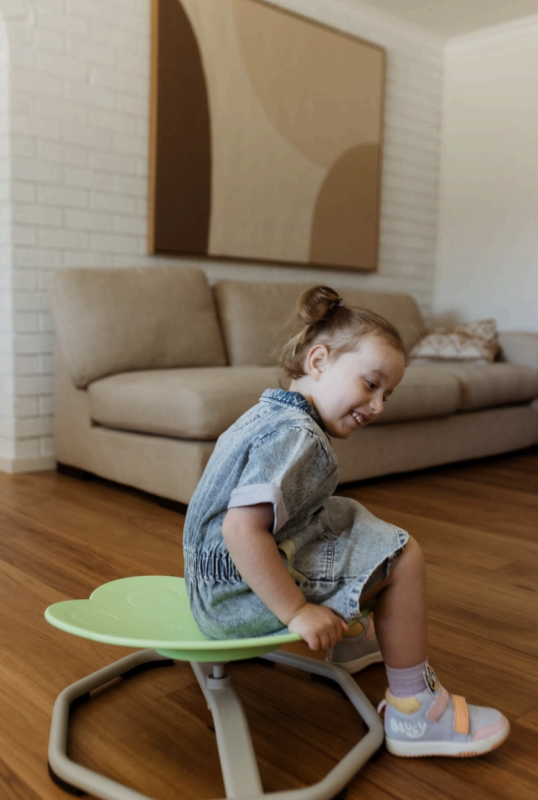
One year after her diagnosis, what does Sage’s life look like now?
One year on, Sage is still very much the empathic, bright, funny and determined little girl she has always been – and she continues to make beautiful progress in her own time.
Her days are a mix of Playschool, therapies and exploring spaces and relationships that help her feel included, supported and understood. We’ve worked hard to keep her world as joyful and typical as possible, even as we navigate the complexities of her condition behind the scenes.
She has challenges, of course, and experiences more than her fair share of fatigue and discomfort. It feels unfair how much harder she works – but she also has an unmatched capacity for joy. She and her brother bring so much laughter into our home.
A year after her diagnosis, Sage’s life is a blend of therapies, play, connection and possibility. The syndrome doesn’t define the fullness of her days or the person she is becoming.
What is the importance of acknowledging Rare Disease Day?
It brings visibility to a community that is often unseen. Around two million Australians live with one of more than 7,000 rare conditions, and it is estimated over half of them are children. Each condition may be rare, but the experience of navigating uncertainty and seeking answers is shared by so many families.
For families like ours, Rare Disease Day is a moment to feel recognised – not just for the challenges, but for the strength, love and advocacy that sit alongside them. It helps shift the conversation from isolation to connection, and it highlights the importance of continuing to strengthen research, diagnosis pathways and coordinated care for people living with a rare condition.
It’s also a chance for families, clinicians, researchers and policymakers to come together with a shared purpose. For us, it’s an opportunity to honour Sage, stand with other families and help build the awareness and momentum needed to change what the future looks like for individuals with rare conditions.
For more information, visit rarediseaseday.org