When supporting Canberrans in housing need requires extra care
Posted on
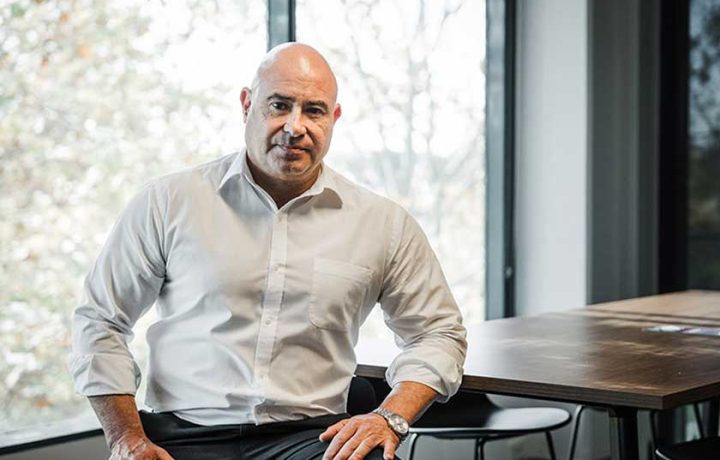
Steve has been working in community services for 25 years, and he’s learnt some basic things about human nature as a youth worker for the Richmond Fellowship.
Housing ACT’s Client Services team is deeply committed to ensuring Canberrans have access to safe, stable housing, managing over 11,000 ACT Government properties. Steve and his team of around 80 staff are proud that the vast majority of tenants have positive experiences – most taking good care of their homes, maintaining successful tenancies and contributing to their community.
He knows that having a sense of belonging and a roof over one’s head are essential aspects to living with safety, stability and purpose – which is why this work matters so much to him and his team.
“The people who work in community services know why they’re working in community services, and who they are working with. They know there is a real need to make a difference.”
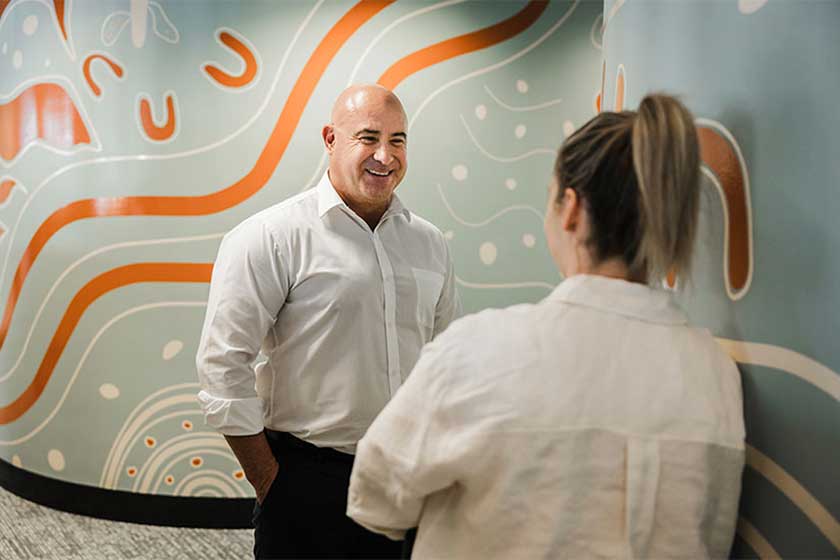
Photography: Andrew Ly, Nineteen Creative
Cost-of-living pressures and housing demand create stress for many Canberrans seeking stable accommodation. Steve and his team understand how difficult it can be to be on waiting list and that interactions with government workers about sensitive topics like rental arrears or property inspections can be really stressful for tenants.
“We know that for some of our tenants, having a government worker contact them in relation to these sorts of matters, or to talk about a complaint, or even having a government worker entering their property to inspect it, can be stressful,” Steve explains.
The team works with and has a key focus on supporting some of Canberra’s most vulnerable people, many who are dealing with complex challenges including mental health issues and trauma. While most interactions are positive and respectful, sometimes that stress can unfortunately manifest as aggression toward staff.
“We manage housing allocations based on need and work hard to prioritise the most urgent cases,” says Steve. “We understand that being on a waiting list can be frustrating and that it can sometimes trigger difficult behaviour.”
That difficult or aggressive behaviour can come in the form of emails, phone calls, in the field, and text messages. Steve acknowledges the level of work that has been put in at Housing ACT to promote and prioritise staff safety around difficult behaviour that can present as occupational violence.
“My staff’s safety is my number one priority, and we can’t take care of vulnerable and complex people unless our staff are safe. It’s a fundamental right for them to feel safe. That starts with good policy, and we have been really focused on getting that policy as good as it can be across Housing ACT.”
The approach has been comprehensive, starting with mandatory training for all frontline staff. Steve explains that occupational violence and de-escalation training is provided as a priority, with regular refresher sessions to ensure ongoing preparedness. The training program is also being expanded to include several new courses designed to further support staff in their roles.
Operational practices have also been updated from July this year to further enhance staff safety, with a particular focus on improving the safety of field work through better risk identification and appropriate safety mitigations.
For immediate protection, personal duress devices have been implemented to support staff safety during field work. These devices are monitored around the clock and can be activated whenever a staff member feels unsafe, allowing emergency services to be contacted immediately if needed.
Perhaps most importantly, Steve says they’ve developed a comprehensive post-incident support process to ensure staff receive the support they need.
“The first session provides immediate support and ensures safety, while a second, reflective session is held 2–3 weeks later. This follow-up allows us to review the incident, identify any learnings, and explore ways to improve practices that support staff safety.”
Steve said feedback on the new safety protocols had been extremely positive and they would go a long way to improve the safety of Housing ACT staff as they continue to deliver essential services to Canberrans in need.
Despite these challenges, Steve’s team maintains remarkable dedication to their mission.
Helping them manage the impacts of workplace violence enables them to continue providing essential housing services while ensuring everyone – staff and tenants alike – can interact with dignity and respect.
Workplace violence is never okay. Find out more about how you can help make ACT Government workplaces safe for everyone at act.gov.au/campaigns/workplace-violence.
ACT Government employees featured in these articles have volunteered their stories to raise awareness around occupational violence and the impact this has on them and the Canberra workforce. For personal privacy, surnames of interviewees have been removed.
Photography: Andrew Ly, Nineteen Creative